A Fish Turns Blue. A Dog Fights a Bear. A Bird Learns to Sing Again.
Somewhere in the rainforest canopy above Peru's Madre de Dios region, a pair of red-and-green macaws is doing something researchers have never been able to watch before — raising a chick, defending a nest, and facing down rivals, all from inside a single artificial nest box. Camera traps, hidden high in the Amazon canopy, have now recorded the entire breeding cycle of these birds for the first time, according to Mongabay. It's a small but dazzling window into lives that have always been hidden.
That same instinct — to peek behind the curtain, to discover what animals do when we're paying attention — is driving conservation breakthroughs and heartwarming moments all over the world right now. And the stories keep coming.
Cameras Are Changing What We Know
In the forests of Zanzibar's Pemba Island, about 20 motion-activated camera traps recently captured the first-ever photographs of the Pemba blue duiker — a tiny, elusive antelope standing just 30 centimeters tall at the shoulder. As Mongabay reports, this shy creature lives in a remnant of native forest in the island's north, and until now had never been photographed by conservation cameras. A 12-inch-tall antelope, hiding in plain sight on an island. Found at last.
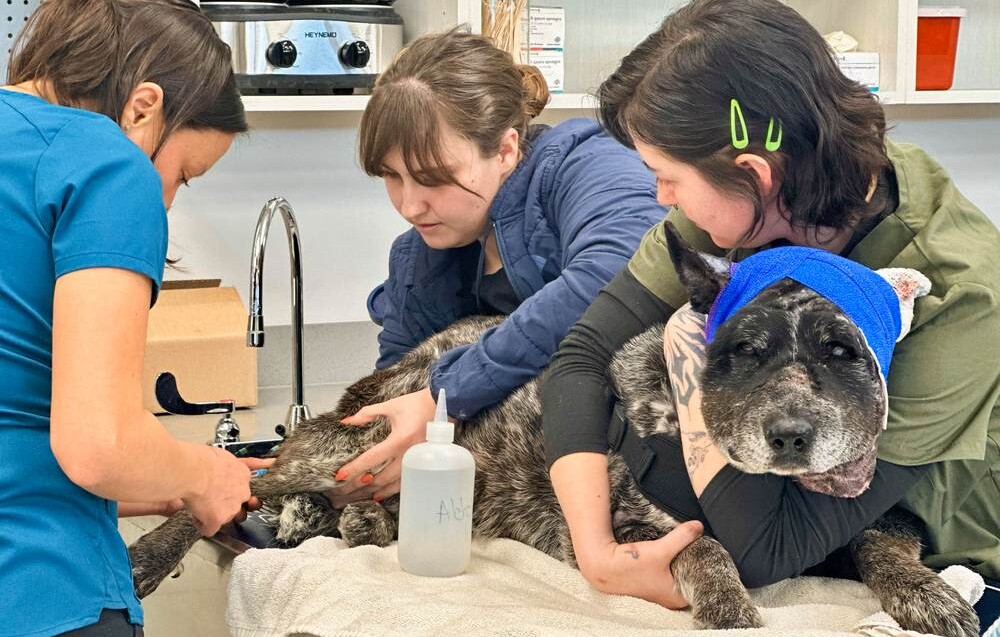
Meanwhile, in New Mexico, a security camera told a very different kind of animal story. Honey, a half-blind 12-year-old dog who reportedly fears the vacuum cleaner, was recorded in audio confronting a hungry bear that had emerged from hibernation and wandered onto her family's property. She sent it packing. "She's our little savior," her family said, according to the Good News Network. Honey, who asked for nothing, protected everyone.
When Wild Instincts Need a Little Human Help
Not every animal story is one of triumph unassisted. Some of the most moving ones are about the lengths humans will go to when nature needs a hand.
Take the palm cockatoo of Australia — a species so specific in its nesting requirements that it takes roughly 250 years, termite activity, no wildfires, and a cyclone to create a suitable hollow. Deforestation has made that impossible combination even rarer. But scientists have now successfully hatched a palm cockatoo chick in an artificial nest, the Good News Network reports. One chick. One cautious, extraordinary step forward for a bird that asks the world for very particular things.
The regent honeyeater, also in Australia, is fighting a stranger kind of crisis. With only 300 or fewer individuals left in the wild, young males have been losing their natural song — instead mimicking the calls of other birds because they've never heard enough of their own kind. Their love song, the one that allows them to attract mates, is disappearing with them. The solution? Captive breeding programs now include what researchers are calling "singing lessons" — exposing young males to recordings and live tutoring from wild adult males. The birds are learning to be themselves again.
Joy Is a Form of Conservation Too
And then there are the stories that aren't about survival in the clinical sense — but about something just as important. Flourishing.
Stevie the betta fish arrived at his new home as a pale, dull white. His owner, who has spent 15 years raising betta fish, found him listless in a tiny pet shop cup. Within weeks of proper care, clean water, and attention, Stevie transformed — turning a vivid, electric blue. The color, the Good News Network explains, is a direct expression of his emotional state. He was happy. You could see it.
At the New England Aquarium, a harbor seal's relationship with his rubber duckie went viral for exactly the same reason. What the aquarium calls an "enrichment activity" — a toy designed to stimulate resident Atlantic harbor seals — turned into a moment of pure, undeniable joy that millions of people couldn't stop watching.
And Morty, a rescue rabbit who once had no games to play at all, now spends his days challenging his owner to Jenga. He wins.
What These Stories Add Up To
Taken together, these eight moments from across the planet — a Peruvian rainforest, an island off the coast of Tanzania, the mountains of New Mexico, a living room Jenga table — form a picture that's bigger than any one headline.
Wildlife is resilient. Animals feel things. Human ingenuity, when pointed in the right direction, can give endangered species a second chance. And sometimes, the most radical act of conservation is simply paying attention — setting a camera trap, building a nest box, taking a dull fish home and giving it clean water.
The macaws in Peru are raising their chick right now, watched by cameras in the canopy. The regent honeyeater is learning its song. Honey the dog is sleeping soundly somewhere in New Mexico, having earned it.
The world is still full of animals doing remarkable things. We just have to keep looking.
Sign in to join the conversation.
Comments (0)
No comments yet. Be the first to share your thoughts.