A Protein, a Mushroom, and a Century of Clues
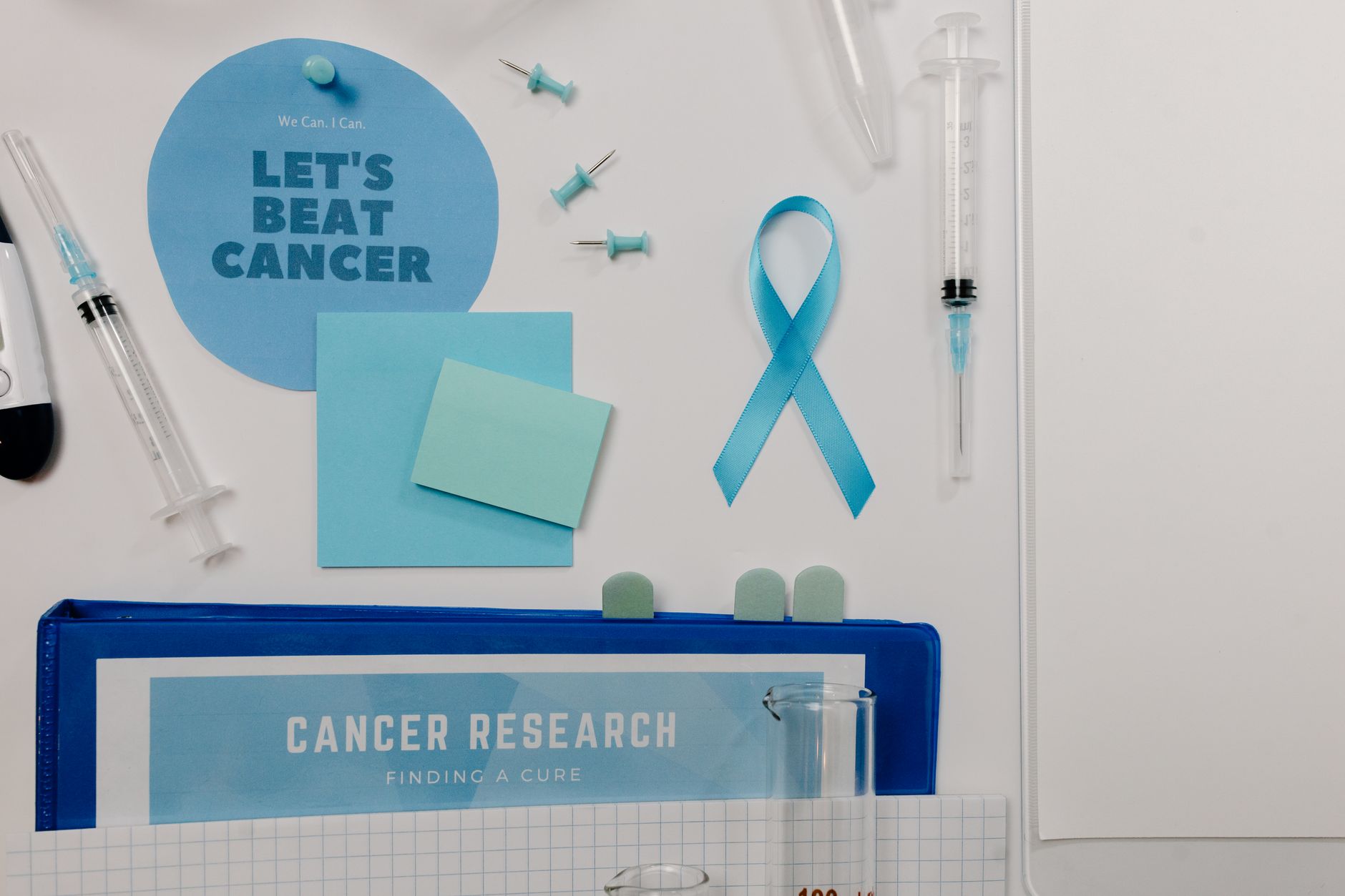
Picture a cancer cell that has learned to ignore every attempt to kill it. Not through brute strength, but through a quiet molecular trick — a protein called cFLIP that essentially disables the cell's self-destruct mechanism. For patients with Diffuse Large B Cell Lymphoma (DLBCL), particularly its most aggressive subtype ABC-DLBCL, that trick has made treatment brutally difficult. Now, researchers at the University of Cologne's Center for Molecular Medicine Cologne have identified cFLIP as a key vulnerability — a way to override those defenses and force cancer cells back toward programmed death. It's the kind of discovery that doesn't make headlines immediately, but quietly rewrites the next decade of therapy.
That story is not an outlier. Across laboratories, hospitals, and university research centers, April 2026 has delivered an extraordinary cluster of medical advances — each attacking a different disease, each offering a different kind of hope.
Lung Cancer's Stubborn Mutation May Have Met Its Match
Nearly a thousand miles from Cologne, oncologists at the American Association for Cancer Research Annual Meeting (held April 17–22) were presenting results on elisrasib, a next-generation inhibitor targeting the KRAS G12C mutation — one of the most common and notoriously hard-to-drug genetic errors in non-small cell lung cancer (NSCLC). Patients in the trial had already failed prior therapies. Their disease had progressed. Elisrasib, according to the results, still delivered clinically meaningful response rates. For a mutation that oncologists once called "undruggable," that word no longer fits.
Meanwhile, at The University of Texas MD Anderson Cancer Center, researchers published a long-term analysis showing that a regimen known as FLAG — combining fludarabine, cytarabine, and G-CSF, with the addition of gemtuzumab ozogamicin or idarubicin — continues to produce strong survival outcomes for patients with core-binding factor acute myeloid leukemia (CBF-AML). "Long-term outcomes" are words that mean everything to a leukemia patient. MD Anderson's data suggests that combination is earning them.
The Oldest Problem in Tropical Medicine Gets a Computational Fix
Some diseases have been killing people quietly for generations. Chagas disease — a parasitic infection that damages the heart and digestive system, prevalent across Latin America — is one of them. Researchers at the University of Kent have now built a computational protocol that can identify promising drug candidates without the costly, time-consuming cycle of trial and error that has stalled Chagas treatment for decades. Published in ChemistryOpen, the work doesn't just help Chagas patients. The same approach could accelerate drug discovery for other neglected parasitic infections, potentially compressing years of lab work into months.
On the global stage, World Malaria Day brought perspectives from three scientists at the University of Utah Health, who collectively pointed to something rare in public health: simultaneous progress on multiple fronts. Advances in vaccines, mosquito control, drug resistance monitoring, and real-time transmission tracking are all converging. "Seeing progress in so many areas at once gives me hope that we can continue to drive malaria down and move closer to eradication," one researcher noted. That's not optimism for optimism's sake — it's a scientist reading the data.
A Mushroom Compound Shaking Up Psychiatry
Depression affects an estimated 5% of people worldwide — hundreds of millions of lives shadowed by persistent sadness, sleeplessness, and a withdrawal from the things that once gave life meaning. Existing treatments like SSRIs and SNRIs help many, but leave too many others behind. Now, psilocybin — the compound derived from certain mushrooms — is driving what may be psychiatry's largest and most rigorous clinical reckoning in years. The treatment landscape is shifting, as researchers put psilocybin through some of the most serious trials the field has ever mounted. The results aren't fully in. But the direction of travel is unmistakable.
From the ER to the Genome to the Dinner Table
Not every breakthrough happens in an oncology ward. At Marshall University, pharmacologist Michael Hambuchen and physician-scientist Todd Davies are tackling a crisis in emergency medicine: the dangerous, sometimes fatal agitation that accompanies methamphetamine and cocaine overdoses — especially when opioids are also involved. Their preclinical research, published this spring, suggests that a combination of dexmedetomidine and naloxone could be both safer and more effective than current approaches, potentially giving ER teams a better tool in one of medicine's most chaotic moments.
And at Tufts University's Jean Mayer USDA Human Nutrition Research Center on Aging, researchers looked at something altogether different — the dinner plates of people whose parents lived past 100. The study found that the children of centenarians tend to eat slightly healthier diets than their peers, hinting that longevity may be shaped not just by genes but by the food habits passed quietly across generations. It's one of the first studies of its kind, and it opens a genuinely fascinating question: how much of a long life is inherited, and how much is simply learned at the family table?
The Bigger Picture
What connects a blood cancer protein in Cologne, a next-generation lung cancer inhibitor, a computational tool for neglected diseases, a malaria eradication push, a mushroom compound in psychiatry, a better overdose treatment, a leukemia regimen with decades of strong data, and the diets of people born to hundred-year-old parents?
Each is a reminder that medicine advances in parallel — not in a single dramatic leap, but in dozens of simultaneous acts of careful, unglamorous science. The breakthroughs you'll benefit from in ten years are probably already happening in a lab right now, waiting for the next piece of the puzzle. This week, quite a few of those pieces moved into place.
Sign in to join the conversation.
Comments (0)
No comments yet. Be the first to share your thoughts.