A Living Cell, Caught in the Act
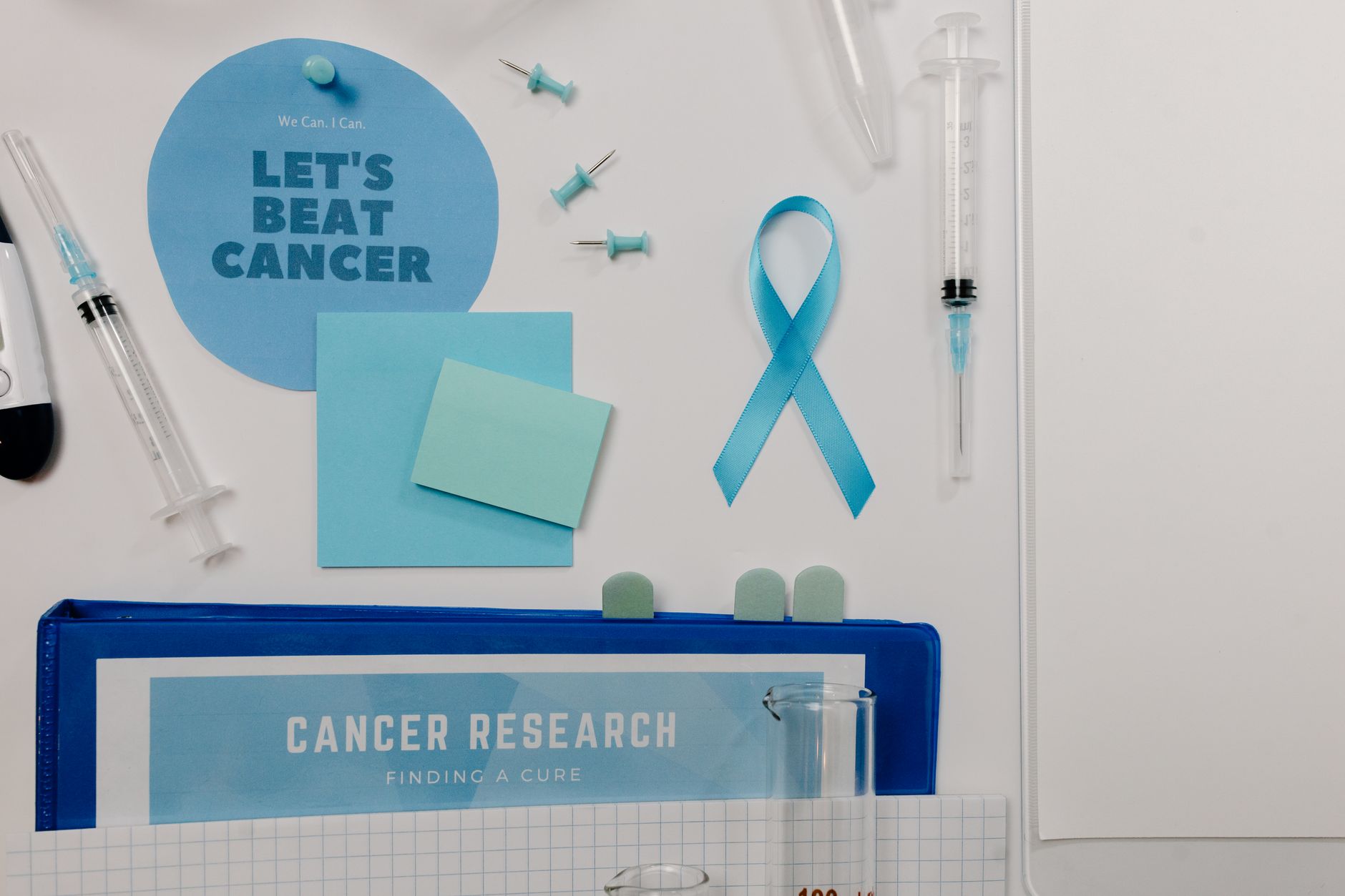
Picture a cancer researcher staring not at a frozen tissue sample, but at a living cell — proteins moving, signals firing, the disease unfolding in real time. That's no longer science fiction. A new study co-led by an Oregon Health & Science University researcher, published in Nature Methods, introduces a suite of fluorescent dyes that make ultra-detailed imaging of living cells dramatically more accessible. For the first time, labs can watch cancer-related processes as they happen, not piece them together from still frames after the fact.
It's one of eight major research findings published in recent weeks — and together, they sketch a portrait of a scientific community moving faster, and thinking more creatively, than ever before.
The Hidden Code Between Viruses and Our DNA
While Oregon researchers peer inside cells, scientists at Columbia University Mailman School of Public Health have been zooming out — to the level of entire genomes. Their study, published in Nature, reveals that interactions between the Epstein–Barr virus and a specific immune-related human gene (HLA-A*11:01) significantly shape a person's risk of developing nasopharyngeal cancer. It's a landmark finding: not just the virus, not just our genes, but the conversation between them that determines risk. Understanding that dialogue could eventually help doctors identify who is most vulnerable — before a diagnosis ever comes.
Meanwhile, at Aarhus University in Denmark, researchers made an equally striking discovery about biology we thought we understood. For the first time, a team from the Department of Clinical Medicine demonstrated that the menstrual cycle reshapes nearly 200 proteins in the blood — affecting systems across the entire body, far beyond reproduction. Published in Nature Medicine, the findings suggest that women's health research has been working with an incomplete picture for decades. Associate Professor Jonas Ghouse, one of the researchers behind the study, notes that this has broad implications for how diseases are diagnosed and treated in women.
Rethinking What Keeps Young People Safe
The question of how to protect teenagers from harm runs through two of this week's studies — and the answers may surprise policymakers.
Researchers at the University of Manchester analyzed data from more than 30,000 pupils aged 12 to 15 across England, producing one of the most comprehensive portraits to date of adolescent substance use. Published in the International Journal of Drug Policy, the study found that vaping, drinking, smoking, and drug use are deeply tied to social, emotional, and environmental factors — peer pressure chief among them. Protective factors matter just as much as risk ones, and interventions that ignore the social world teenagers inhabit are likely to fall short.
On the adult side of the substance debate, a national analysis from the Center for Tobacco Research at Ohio State University's Comprehensive Cancer Center settled one of tobacco policy's longest-running arguments. For years, critics warned that taxing e-cigarettes might push vapers back toward traditional cigarettes. The study, published in Health Economics, found those fears are largely misplaced — e-cigarette taxes reduce vaping without driving a meaningful increase in adult smoking. The evidence, researchers say, supports taxation as a legitimate tool in the public health toolkit.
Nudges That Actually Work
Some of the most powerful health interventions turn out to be breathtakingly simple. Researchers at the Nuffield Department of Primary Care Health Sciences at the University of Oxford tested what happens when workplace cafeterias make just one change: replacing a single meat dish with a vegetarian option. Across six English worksites, the swap significantly shifted what people chose to eat — cutting both calories and carbon emissions. Published in the International Journal of Behavioural Nutrition and Physical Activity, the finding is a quiet argument for the power of environment over willpower.
The picture around calorie labeling is more nuanced. A UCL and King's College London study, published in BMJ Public Health, surveyed 1,001 people in England aged 16 and over who had experienced disordered eating. Since 2022, restaurants and cafes with 250 or more employees have been required to display calorie counts. Researchers found the labels can genuinely help people with binge eating disorder — even supporting recovery — but may cause harm for those with restrictive eating disorders. Good policy, the study suggests, must account for the full spectrum of those it affects.
When Prevention Looks Like a Family Conversation
Perhaps the most human story in this week's research comes from Alaska, where a University of Michigan study tested a new approach to suicide prevention called the Family Safety Net. Published in Injury Prevention, the method shifts focus away from individual clinical screening and toward household-level action — engaging families in reducing firearm access and building safety plans together. Researchers found the approach could reach people who slip through the cracks of standard screening tools. In a state with one of the highest suicide rates in the country, that reach matters enormously.
A New Map of Human Health
What connects a glowing cell in an Oregon lab, a teenager in Manchester, a lunch tray in an English cafeteria, and a family safety plan in Alaska? Each represents a different scale of the same project: understanding the human body and the human experience with enough precision to actually help people.
Science rarely moves in a straight line. But weeks like this one — with breakthroughs published across Nature, Nature Medicine, Nature Methods, and beyond — are a reminder that the map of human health is being redrawn, one careful study at a time. And the territory is looking more hopeful than ever.
Sign in to join the conversation.
Comments (0)
No comments yet. Be the first to share your thoughts.