A surgeon asks a patient with essential tremor to stay awake, then tests tiny electrical pulses as a brain implant is positioned. The patient’s response can tell the team something an MRI cannot: whether a small adjustment could make the treatment work better.
That moment captures a larger shift in medicine. Across cancer care, chronic disease and surgery, researchers are finding ways to tailor treatment to the person in front of them—and to make proven care easier to follow.
Better clues before treatment begins
For people with muscle-invasive bladder cancer who cannot receive standard cisplatin chemotherapy, a new combination offers a potentially important option. In an international clinical trial co-led by UCLA Health’s Jonsson Comprehensive Cancer Center, patients received durvalumab and enfortumab vedotin before bladder-removal surgery, then immunotherapy afterward.
The study, published in the New England Journal of Medicine, found a 42% lower risk of death compared with surgery alone. The combination also reduced the risk of cancer returning or progressing, or another cancer-related event including death, by 49%. These are substantial findings for a group with an aggressive disease and limited treatment choices.
Personalization may also begin with a test. In myelodysplastic syndromes, doctors often cannot reliably tell who will respond to azacitidine. A multicenter study published in the Journal of Clinical Investigation found that DNA methylation patterns at diagnosis predicted response better than gene activity alone. The work points toward a future in which clinicians may use biological signals to help choose treatment, rather than asking patients to endure a therapy that is unlikely to benefit them.
At Bar-Ilan University, researchers took a related approach in latent autoimmune diabetes in adults, or LADA, which can be mistaken for type 2 diabetes. In mice, blood biomarkers predicted which animals responded to an experimental combination therapy. About one-third regained normal blood sugar levels, and the treatment stimulated regeneration of insulin-producing pancreatic cells. It is early-stage research, not a treatment ready for patients, but it suggests how biomarkers might eventually guide care for a condition that is often misidentified.
Making treatment work in real life
A treatment only helps if people can access it and stick with it. In a trial co-led by UT Southwestern researchers, a single pill combining blood-pressure medicines outperformed typical treatment with multiple pills among patients in Jamaica and Colombia. The findings, presented at the 2026 American Heart Association Scientific Sessions in Chicago and published in JAMA, add evidence for a simpler approach that could improve adherence and scale in lower- and middle-income countries.
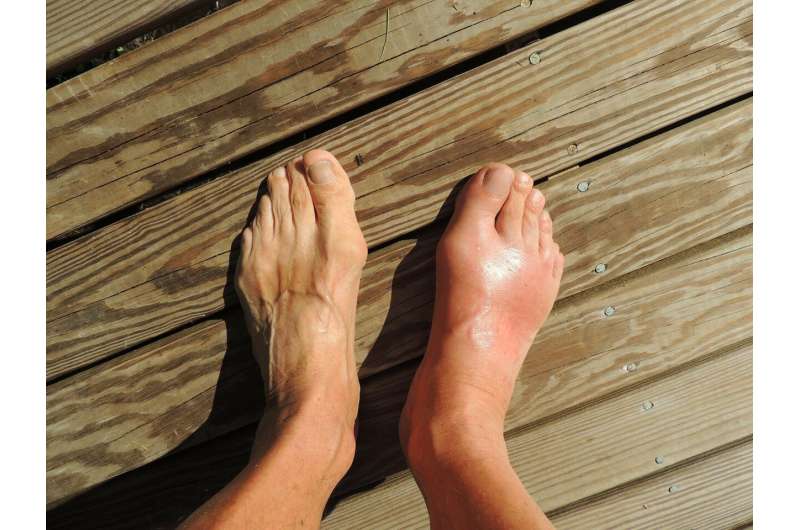
For gout, digital support helped turn a treatment target into a routine. In a 12-month randomized trial of 280 men, the 1CARE model paired automated reminders and education with remote urate monitoring and weekly physician review. By the end, 85% of participants using the app-supported approach reached the urate target, compared with 48.6% receiving usual care. The app group also had fewer annualized flares: 0.02 versus 0.10 per year.
The technology did not replace clinicians. It helped connect patients to them more consistently.
Helping people feel like themselves again
The promise of personalized care is not limited to survival or lab results. For breast cancer survivors, fatigue and “brain fog” can persist after treatment, disrupting memory, concentration and everyday tasks. In a small UCLA clinical trial, participants who took oxaloacetate—a molecule naturally present in the body—for eight weeks reported improvements in mental clarity, memory, concentration and fatigue. Cognitive tests also improved. The study, published in JCO Oncology Advances, is preliminary; larger trials are needed before anyone can know how well the supplement works more broadly.
Researchers are also looking for ways to make immunotherapy effective for more people. A Lund University-led study in mice found that reprogrammed cancer cells could help recruit and organize immune cells into clusters inside tumors. These structures, called tertiary lymphoid structures, are associated with stronger responses to immunotherapy. The findings in Immunity offer a possible route toward changing a tumor’s environment so the immune system can mount a more coordinated attack—but the work remains preclinical.
And in awake deep brain stimulation surgery, Mayo Clinic researchers describe how real-time brain signals, test stimulation and patient feedback can help clinicians fine-tune electrode placement for essential tremor. Imaging remains valuable; the patient’s experience adds another layer of information.
A more responsive kind of medicine
These studies range from mouse experiments to clinical trials, and they do not all carry the same weight. Some describe promising possibilities, not established therapies. Still, together they point toward care that listens more closely: to a patient’s response during surgery, to a blood marker before treatment, or to the practical barriers that make a daily pill hard to take.
For patients, the next advance may be a more effective drug—or a simpler regimen, a better prediction, or a clinician able to adjust treatment in the moment. The hopeful part is not that medicine has solved every problem. It is that researchers are increasingly asking how to make care fit real people, and testing ways to do it.
Sign in to join the conversation.
Comments (0)
No comments yet. Be the first to share your thoughts.