In Atlanta, with three minutes left in the Cerebral Palsy World Cup final, the United States had the lead—and England’s first title was slipping away. Sam Dewhirst’s equalizer forced extra time. Then David Porcher drove home the winner, giving England a 2-1 victory and a historic first crown.
That late turn captures a wider story unfolding across football: progress is built in moments when a team finds a way back, and in the growing space women and disabled athletes are claiming at every level of the game.
Comebacks, from youth pitches to the top flight
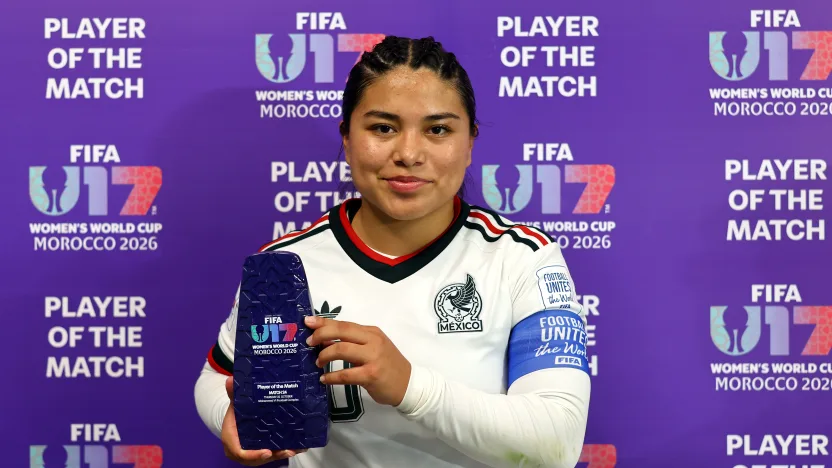
In Rabat, Mexico’s under-17 women also had to answer an early setback. Chile’s Catalina Ignacia Muñoz scored in the 12th minute, but Mexico recovered to win 3-1 in the 2026 tournament. Mia Urbano equalized before Citlali Reyes put Mexico ahead with a first-time strike from the top of the box. Nicole Jiménez completed the comeback in the 83rd minute.
The match brought individual milestones, too. Concacaf reports that Bianka Arredondo became the first Mexican player in the last five editions of the U-17 Women’s World Cup to record two assists in a match. Reyes became the first El Tri player over that span to score and assist in the same game. The numbers mark more than a good night: they show young players making their own history, one contribution at a time.
In England’s Women’s Super League, Chelsea extended their unbeaten start to seven matches by beating Crystal Palace 3-1 after falling behind. Melvine Malard scored twice and won a penalty. Brighton, meanwhile, earned only their second league win of the season, beating West Ham 3-0 with a spectacular Maisie Symonds goal in the mix. Different standings, different stakes—but both results show how a single performance can change a team’s momentum.
Recognition that reflects a changing game
At the individual level, awards tell another part of the story. Alexia Putellas won the Ballon d’Or Feminin for a record-equalling third time after captaining Barcelona to Champions League glory as part of a 2025-26 quadruple. She joins Spain teammate Aitana Bonmatí on three wins, extending a Spanish run that has kept the award in the country’s hands for six consecutive years.
Putellas’s return to the summit carries particular weight after a career-threatening ACL injury in 2022. She has since moved to WSL side London City Lionesses, bringing a global name into a league whose profile continues to grow. Her message to young players was direct: “If you love football and if you want to play football, play football.”
Scotland’s Caroline Weir, ranked 25th in the world in the Ballon d’Or voting, was also shortlisted for the Scottish Women’s Football Awards 2026. The 31-year-old midfielder, now at Lyon after leaving Real Madrid, shares the international-player shortlist with Erin Cuthbert, Lauren Davidson and Kathleen McGovern. Manchester United head coach Eva Olid, who led Hearts to their first Scottish Women’s Premier League title before moving to England, is in contention for coach of the year. The winners are due to be announced at Hampden Park on 28 November.
Recognition matters most when it follows—and helps widen—the path for others. Alice Kinsella’s return to gymnastics offers a reminder that sporting careers can take unexpected routes: after a year away following the birth of her child, she delivered a “brilliant” floor routine in the women’s all-around final at the World Championships in Rotterdam.
The work behind the moment
None of these milestones arrive by accident. England cerebral palsy head coach Jack Rutter praised the sacrifices of players and staff after the Para Lions’ World Cup win, describing it as historic for the sport. In Scotland, Olid’s title-winning season and Weir’s international recognition reflect years of work across clubs and countries. A trophy, a shortlist or a comeback is visible; the effort behind it often is not.
The next generation is already playing its part. Mexico returns to the field against Australia on 25 October, while the WSL season continues with unbeaten runs to protect and difficult tables to climb. For viewers, the invitation is simple: follow the names, watch the games, and notice who is getting the chance to compete. Progress is not a finished scoreline. It is a growing number of players who can picture themselves there—and a sporting world making room for them.
Sign in to join the conversation.
Comments (0)
No comments yet. Be the first to share your thoughts.