James Botham lay sprawled on the Principality Stadium turf, pain and exhaustion etched across his face. Then the whistle blew, and he got up again. By the final whistle, Wales had beaten New Zealand 35–28—their first victory over the All Blacks in 73 years—and the workhorse flanker had been named man of the match.
That image captures a wider story about power in 2026. It can look like a comeback in a roaring stadium. It can be a team built on persistence, or the institutions and connections that help people compete. Across sport and public life, the strongest results often come not from one dramatic gesture, but from systems that give more people a chance to contribute.
The strength behind the headline
Wales’ win was a landmark, but its meaning reached beyond the score. As BBC Sport Wales reports, players returned to training on Monday after time to enjoy the moment with their families. Assistant coach Matt Sherratt said the team watched videos of the reaction from friends, families and fans around the country. The victory had become something shared.
And it had been earned by the kind of contribution that can be easy to miss. Botham, grandson of cricket icon Sir Ian, made his name through relentless tackling, contact work and recovery—less a solo flourish than a steady presence everywhere the game demanded one. He was exhausted because he had kept showing up.
Northern Ireland offered another version of that collective resilience. In Budapest, a point against Hungary was enough to secure promotion to Nations League A, but Barnabas Varga’s 35th-minute goal put Michael O’Neill’s side behind for the first time in a campaign during which they had gone 500 minutes without conceding. They answered with Justin Devenny’s equaliser and a 1–1 draw.
O’Neill, watching while suspended, praised the squad’s belief and the impact of players from the bench. Promotion is the visible reward; the less visible achievement is a young team discovering it can respond under pressure. The campaign lifted Northern Ireland into the competition’s top tier for the first time.
When a team turns momentum into history
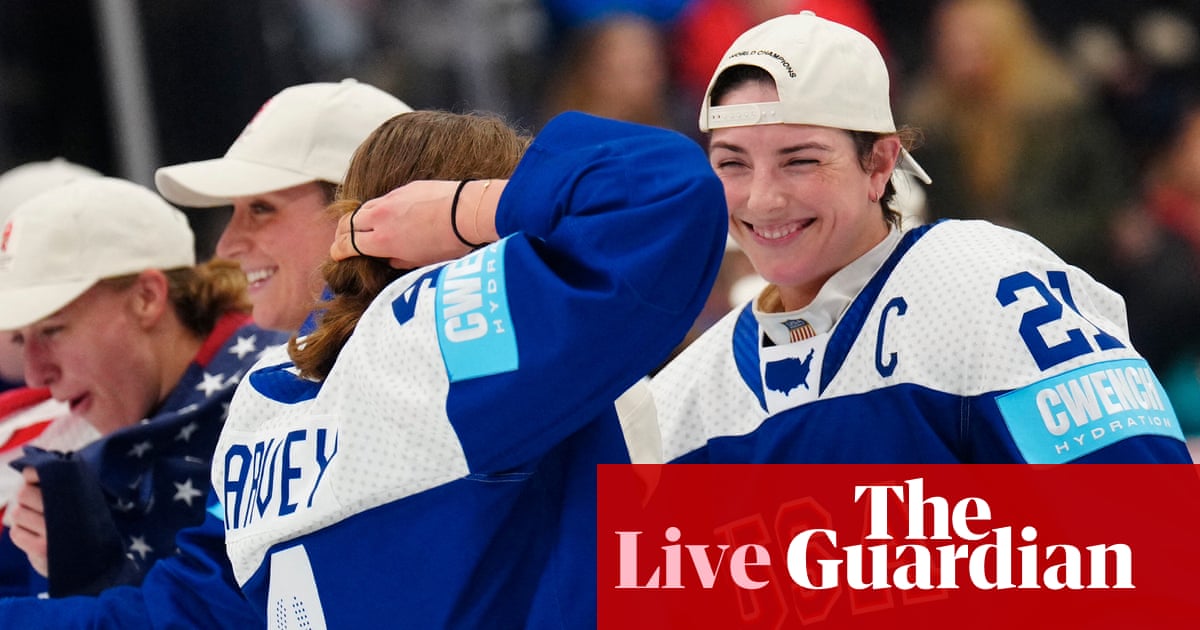
At the women’s ice hockey world championship final, the United States showed how quickly momentum can shift. Canada scored first, through Sarah Fillier, but the Americans responded with five unanswered goals and won 6–2. Hilary Knight and Kelly Pannek scored twice apiece.
The victory gave the US its 12th world title and completed a historic golden double, following its Olympic title in Milan in February. The team finished the tournament unbeaten; across seven games, it trailed for just five minutes and 14 seconds. That number says as much about sustained control as the final score does about one decisive night.
These are very different teams and contests. But each offers a reminder: success is not only the moment the crowd remembers. It is also the preparation, trust and depth that make a response possible when the plan is tested.
Building the conditions to compete
That idea reaches beyond the field. In Brussels on 17 November, the European Commission adopted a strategic vision for sport, setting out 12 actions to reinforce what it calls the European Sport Model. Commissioner Glenn Micallef framed the effort as a way to help Europe keep winning in sport. The broader question is how a sporting system can support participation and opportunity while remaining strong at the highest level.
A day later, Commissioner Zaharieva presented a proposal on Advanced Materials for Europe. The initiative points to another arena where nations compete: the technologies and materials that underpin industry and future innovation. The supplied announcement gives limited detail, but the connection is clear—long-term capability depends on building foundations, not just celebrating breakthroughs.
And on 16 November, EU officials hosted representatives from the Black Sea region, the South Caucasus and Central Asia in Brussels to advance cooperation on security and connectivity. This work is not a sporting contest, but it carries a related lesson: resilience grows through relationships and shared capacity, especially across regions facing complex challenges.
Power as something people build together
From a Welsh flanker rising off the turf to governments working across borders, power is often less solitary than it appears. It gathers in teams that trust their bench, institutions that widen the path to participation, and partnerships that make countries more connected.
The next challenge for Wales is Australia in Cardiff. Northern Ireland’s promotion opens a new level of competition; the US champions will carry their momentum forward. For the rest of us, the hopeful question is practical: what would change if we invested as seriously in the people and connections behind a breakthrough as we do in the breakthrough itself?
Sign in to join the conversation.
Comments (0)
No comments yet. Be the first to share your thoughts.