At the Puskás Aréna in Budapest, 70,000 seats framed a question for Northern Ireland’s young footballers: could they hold their nerve when the stakes turned real? Hungary scored first. Northern Ireland answered. Justin Devenny’s equaliser made it 1-1, enough to secure promotion to Nations League A for the first time.
That draw was more than a point. It was proof that a team still learning how to win can discover its strength when the plan goes off-script.
The moment after falling behind
Northern Ireland arrived in Budapest needing only a draw to top Nations League B2. Barnabás Varga’s 35th-minute goal changed the equation—and ended a run of 500 minutes without conceding. The side had to chase a game for the first time in the campaign.
They did. Manager Michael O’Neill, watching from the stands while suspended, praised the response: his players came out strongly in the second half and got what they needed. The result capped an unbeaten campaign and lifted Northern Ireland into the competition’s top tier for the first time.
The achievement had been built over several matches. Before the campaign, Northern Ireland had won just one of 16 games in the Nations League’s second tier. A run of disciplined performances, including a 1-0 win over Ukraine, put promotion within reach. As midfielder Isaac Price told BBC Sport NI, the team wants to play “on the biggest stages.” At 22.9, the average age of the starting side against Ukraine suggested those stages may be a place to grow, not just a distant reward.
Power can be collective
Across sport, the word “power” often sounds like dominance. But these stories show it can mean composure, shared belief and the ability to turn opportunity into action.
Wales felt that power in a different form. Their 35-28 rugby union victory over New Zealand made them the first Welsh side to beat the All Blacks since 1953. The players returned to training battered and bruised, but also carrying the reaction of a country. Assistant coach Matt Sherratt said the team watched videos showing the joy among fans, families and friends before turning attention to Australia in Cardiff.
The win belonged to the players on the field. Its meaning, though, traveled far beyond them—to living rooms, phones and a nation’s long memory.
In women’s rugby league, Australia made history of its own, beating New Zealand 34-10 in the World Cup final. Jamie Chapman’s hat-trick helped secure a record-breaking fourth successive title. Sustained excellence can be its own kind of power: not one breakthrough, but the ability to return to the final and deliver again.
A title, and what comes next
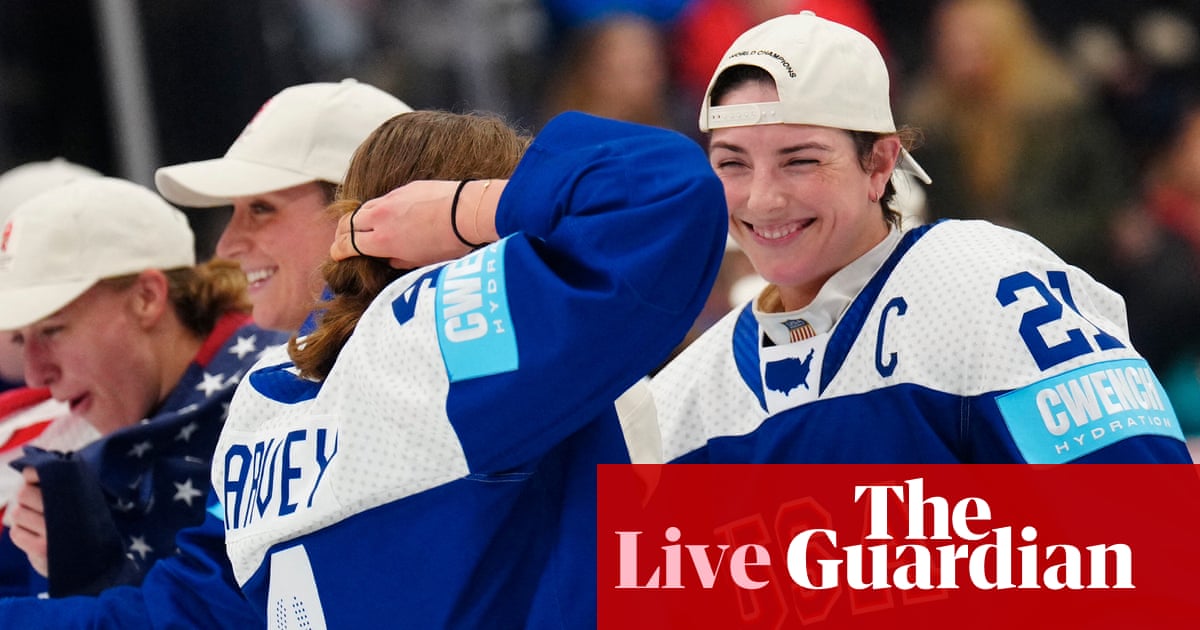
The United States women’s ice hockey team delivered a decisive finish against Canada in the 2026 world championship final. Canada struck first, but the Americans responded with five unanswered goals on the way to a 6-2 victory and their 12th world title. Hilary Knight and Kelly Pannek each scored twice.
The championship completed a historic golden double: the United States had also won Olympic gold in Milan in February. Across seven games, the team went unbeaten and trailed for only five minutes and 14 seconds, all in the final’s opening period, according to The Guardian’s match coverage.
Four different endings, one shared thread. Northern Ireland found a way back after conceding. Wales turned a long wait into a landmark win. Australia defended a run of titles. The U.S. closed a remarkable year with another gold.
Not every team will win a final, and not every season ends with a trophy. But the scenes that linger—the equaliser, the fans’ celebrations, the next training session—show how progress is made: through skill, resilience and people who believe the next stage is within reach. That is a kind of power readers can recognize in their own communities, too: the courage to keep building, and the shared effort that makes a bigger stage possible.
Sign in to join the conversation.
Comments (0)
No comments yet. Be the first to share your thoughts.