At McDonald Jones Stadium in Newcastle, Mackenzie Wiki needed less than two minutes to put New Zealand ahead. By the final whistle, the Kiwi Ferns had swept Samoa aside 32-0—and booked a seventh consecutive place in the Women’s Rugby League World Cup final.
That kind of power is easy to spot: a team takes control, holds its line, and earns another shot at history. But in the same November week, a very different contest over power was unfolding in Brussels. Across technology, research, migration and public trust, the question was less who could dominate than who gets to shape the rules—and what people can do with the opportunities those rules create.
The power to steer—and to set limits
On 6 November 2026, the European Commission said it had preliminarily found TikTok in breach of the Digital Services Act over the “rabbit hole effect” of its For You recommender system. That is a preliminary finding, not a final ruling. Still, it puts a spotlight on an increasingly consequential form of influence: the ability of an algorithm to decide what millions of people see next, and next after that.
The same day, the Commission announced that the EU and India had concluded negotiations on India’s association to Horizon Europe, the EU’s €93.5 billion research and innovation programme. One announcement concerns limits on a platform’s power to shape attention; the other points toward the power of shared research—to connect people and resources across borders.
The contrast is useful. Digital systems can narrow a person’s path into a rabbit hole, while research partnerships can widen the field of people able to ask questions and build answers. Neither outcome is automatic. Rules, funding and access determine how power travels.
Funding is a choice about the future
On 5 November, the Commission adopted the 2027 European Innovation Council Work Programme, unlocking €1.8 billion for deep-tech entrepreneurs and researchers. The figure is striking, but the choice behind it matters just as much: public money can help promising ideas move from a lab or startup toward a real-world test.
That is a different kind of power from command or control. It is the ability to make room for work that might otherwise struggle to get started. The announcement does not guarantee breakthroughs; it does put substantial backing behind people trying to produce them.
Brussels was also talking about the machinery of government itself. Presenting a report at CEPS on 5 November, Commissioner Valdis Dombrovskis put the message plainly: “EU rules must be simpler to comply with, easier to…” The supplied speech excerpt cuts off there, but the core point is clear: rules only work well when people and organizations can understand and follow them. Simplifying implementation is not glamorous. It can, however, determine whether public policy functions beyond the page.
Commissioner Brunner, meanwhile, said the EU was launching the second Annual Migration Management Cycle as a core component of the Pact on Migration and Asylum. The available speech excerpt gives little detail about the cycle’s measures. What it does show is an attempt to turn an overarching pact into an ongoing process—an exercise of public power that affects people’s lives and therefore demands careful, humane implementation.
Trust and solidarity are also forms of power
A European Commission factsheet published on 5 November carried a simple title: “EU solidarity with Ukraine.” The supplied material does not describe its specific measures, so it cannot tell us how that solidarity is being delivered. But the subject itself belongs in this wider picture: collective support is one way countries choose to use their resources and influence in response to war.
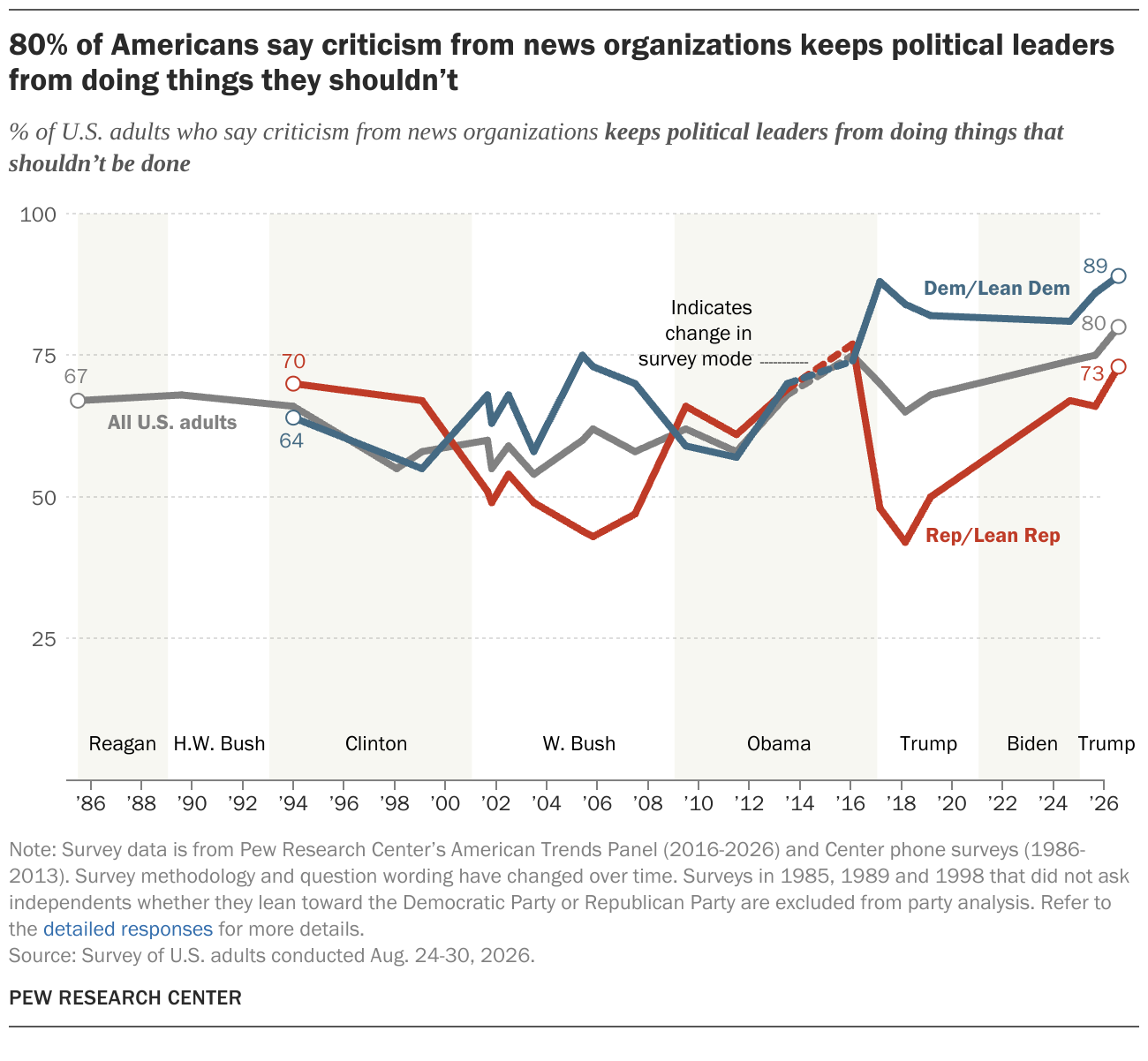
Public trust matters too. A Pew Research Center newsletter, “The Briefing,” reports that Americans’ trust in local and national news organizations has increased. The excerpt provides no figures for the change, so its scale is unclear. It also describes President Donald Trump blaming Fox News for Republicans’ midterm losses after the network aired Democratic candidates and reporting lower October viewership than a year earlier. The episode shows how contested the media’s influence can be; the reported rise in trust offers a counterpoint, though not a reason to assume that confidence is settled or universal.
And then there is the rugby scoreboard: New Zealand’s 32-0 win over Samoa, built on tries from Wiki, Stacey Waaka, Hufanga, Atai and McGregor. The Kiwi Ferns will hope this seventh straight final appearance ends differently from their three defeats to Australia since their earlier title run. Their performance was decisive; the final remains unwritten.
Power can concentrate attention, or open doors. It can be exercised through rules, research budgets, institutions, solidarity and the hard work of a team earning another chance. In the week’s headlines, none of those forces promised easy answers. But each offered a reminder that the future is not shaped only by whoever speaks loudest. It is also shaped by the systems people build—and by who gets the tools, trust and room to take part.
Sign in to join the conversation.
Comments (0)
No comments yet. Be the first to share your thoughts.