The Art of Taking: How 2026 Became a Year of Extraordinary Achievements
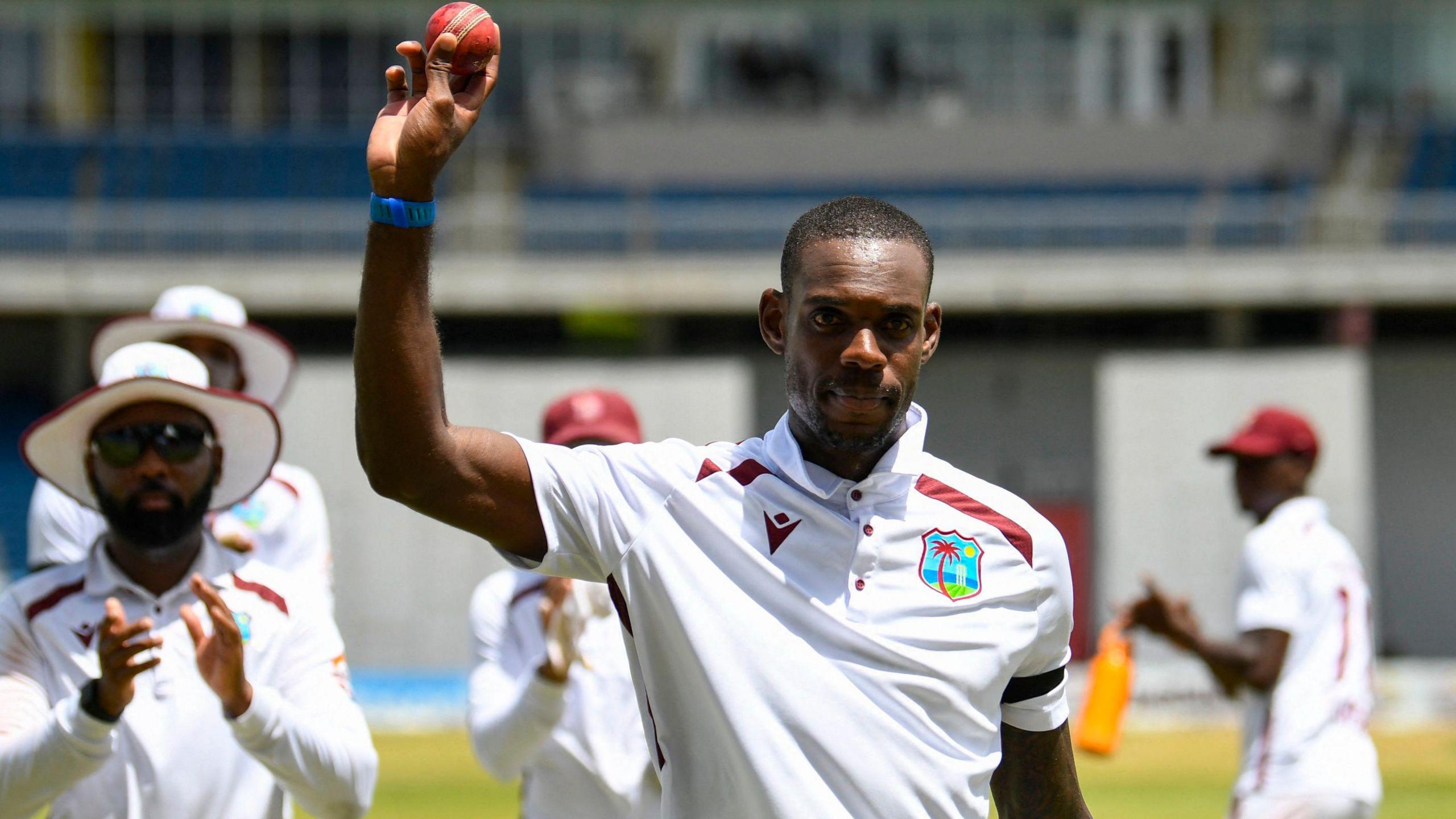
At the Brian Lara Cricket Academy in Trinidad, 32-year-old Justin Greaves ran in from the boundary, ball in hand, with nothing yet to show for his efforts that day. Six overs earlier, he'd gone for 27 runs without a wicket. His captain, Roston Chase, simply said: "Continue to be disciplined." What followed was one of Test cricket's most remarkable spells—five consecutive wicket maidens, five wickets for zero runs, a maiden Test five-for that left Pakistan's Shan Masood bowled for 109 and the capacity crowd gasping. "The ball nipped around and I got some reward," Greaves said afterward, still processing his historic afternoon. "Anytime I get the ball in hand, the team looks to me to be that solid player."
Greaves wasn't alone in seizing his moment. Half a world away at Headingley, Issy Wong took three wickets to lead Southern Brave to victory. In Nottingham, South African all-rounder Nadine de Klerk smashed 41 not out from just 22 balls—including two sixes in the final four deliveries—to guide London Spirit to a five-wicket win over Trent Rockets. "Nerveless" was how commentators described her finish. The term kept surfacing across cricket that week, as if the sport itself was testing who could hold their nerve when it mattered most.
While athletes were proving themselves between the white lines, world leaders were gathering in Busan, South Korea, to decide which places would join the ranks of humanity's most treasured sites. Greece's Mount Olympus—mythical throne of Zeus, rising 9,573 feet from the Aegean coast—finally earned its place on the UNESCO World Heritage List after a 12-year campaign. "As Greek mythology wisely reminds us," said Greece's UNESCO delegate Georgios Koumoutsakos, "it is always best to remain on good terms with gods." But it was Normandy's D-Day beaches—Omaha, Utah, Sword, Gold, and Juno—that drew particular attention. These five stretches of French coastline, where more than 150,000 Allied troops stormed ashore on June 6, 1944, to liberate Europe from Nazi occupation, were now protected not just as battlefields, but as living monuments to an event "widely perceived as having enabled the return of freedom and heralded a lasting peace on the European continent," according to the International Council on Monuments and Sites.
Meanwhile, in the Philippines, Cebu Province was taking a different approach to heritage—systematically mapping it. Their Cultural Mapping Program 2026, training volunteers to document everything from centuries-old churches to regional culinary traditions, aimed to build a framework for the next decade of sustainable tourism. Museo Sugbo curator Jobers Bersales was leading workshops across the province, equipping communities with tools to preserve what they held dear.
At the Hungaroring, Lando Norrisclinched his first grand prix pole position of 2026, beating Lewis Hamilton with the final lap of qualifying. It was McLaren's statement that the season belonged to them now. Back in Glasgow, where the Commonwealth Games had opened with a Tardis, a Loch Ness Monster, and bagpipers, athletes from 72 nations were competing in venues that echoed with the memory of 2014's Games—proof that some traditions are worth keeping, and some records are meant to be broken.
What connects these moments—Greaves' spell in Trinidad, UNESCO's new protected sites, Cebu's preservation efforts, Norris's pole position—is something harder to name: the human impulse to take something extraordinary and make it permanent. To bowl the spell of your life and see your name in the record books. To fight for a decade so that Mount Olympus joins the list of places humanity has promised to protect. To map your grandmother's recipe alongside ancient churches. These aren't just achievements. They're what we choose to carry forward.
Greaves captured it best when he reflected on his five wickets: "I'm really happy, but there's still a lot of work to do in the game." That's the thing about moments that matter—they arrive, you take them, and then you spend the rest of your life protecting what they mean.
Sign in to join the conversation.
Comments (0)
No comments yet. Be the first to share your thoughts.