The Quiet Revolution Happening Inside You
Picture an older mouse — liver inflamed, DNA fraying, cancer quietly taking hold. Now picture the same mouse, weeks later, its liver calm, its cells behaving decades younger. The only thing that changed? Researchers gave it back its own gut bacteria, preserved from its youth.
That stunning result, published this month in a new mouse study, isn't just a story about mice. It's a signal. Across labs on multiple continents, scientists are uncovering how profoundly the body can heal — and how many of our oldest assumptions about disease are overdue for revision.
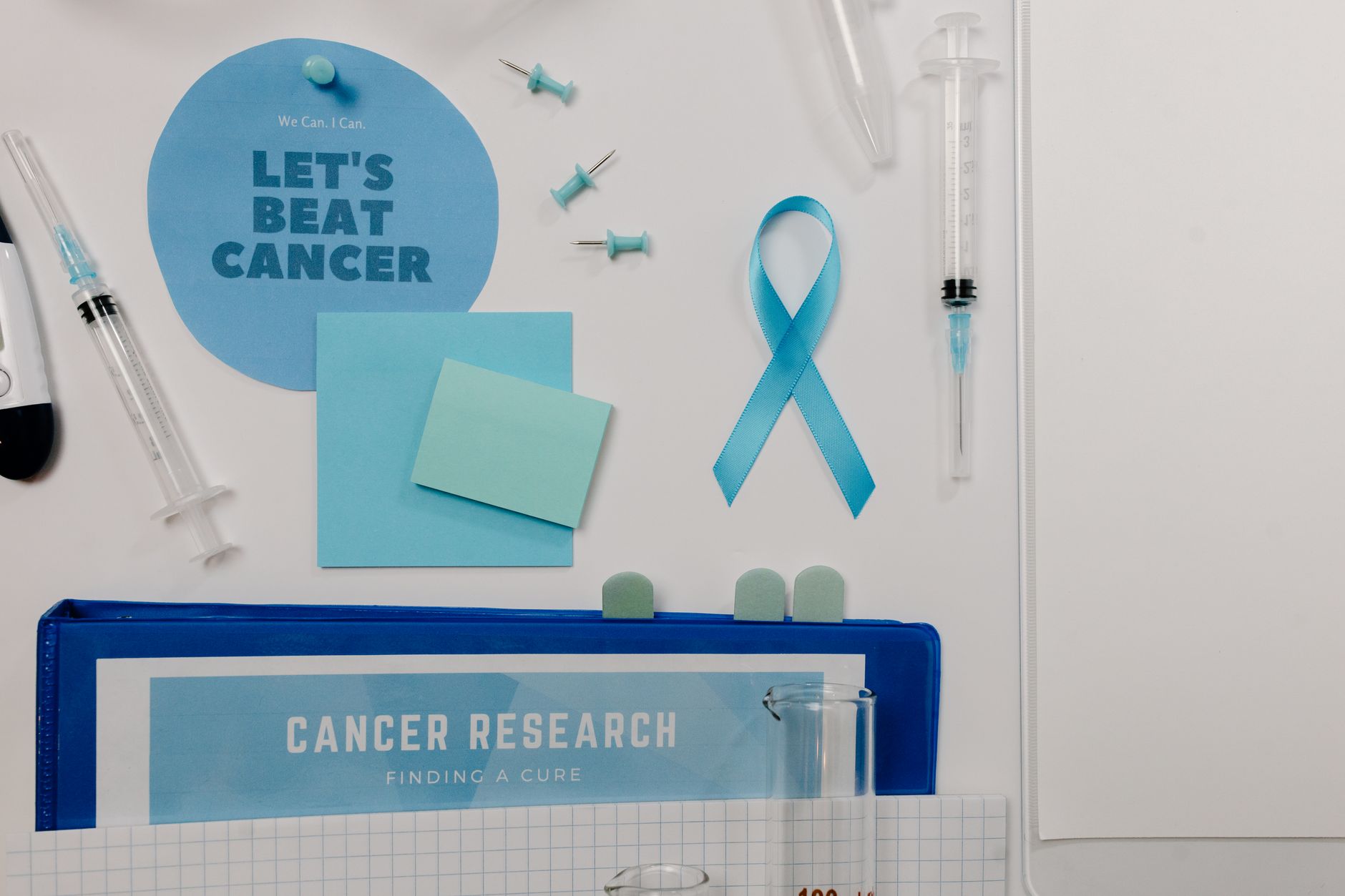
Cancer's Long Game — And How to Beat It
Breast cancer survivors know the fear well: the years tick by, treatment ends, and yet the shadow of relapse never fully lifts. Now the Garvan Institute of Medical Research has found out why. A study published in Nature Communications reveals that certain breast cancer cells essentially reprogram themselves to divide at an extraordinarily slow pace — forming microscopic tumors that can hide silently in distant organs for decades, evading detection until they strike again.
It's a sobering finding. But it's also a map. Once scientists know where the enemy hides, they can start planning how to find it.
The Liver's Hidden Enemies — And Unexpected Allies
Two new studies are reshaping our understanding of liver health from very different angles. The German Diabetes Center has shown, in research published in Diabetes Care, that patients with type 2 diabetes don't just suffer from insulin resistance — elevated levels of glucagon, a hormone long overlooked in this context, appear early and are closely linked to fatty liver disease. Treating the full hormonal picture, not just insulin, may now become a priority for clinicians.
Meanwhile, the gut microbiome study offers a more radical possibility: that aging-related liver damage could be reversed by restoring youthful microbial communities. Older mice that received their preserved youthful microbiome showed less inflammation, reduced DNA damage, and zero signs of liver cancer. Researchers found the treatment suppressed MDM2, a cancer-linked gene, essentially making the animals' biology resemble that of a younger mouse. The implications for human medicine are still years away — but the direction of travel is extraordinary.
Moving More, Eating Smarter, Living Younger
Not every breakthrough requires a lab. At the European Congress on Obesity in Istanbul this May, researchers presented findings from a study published in the International Journal of Environmental Research and Public Health showing that roughly 8,500 steps a day helps people maintain weight loss after dieting. Not 10,000 — a number that was always more marketing than medicine. A more achievable target, backed by real data.
Pair that with findings from the University of Sydney, published in Aging Cell, and the picture sharpens further. Australians aged 65 to 75 who reduced either dietary fat or animal-based protein for just four weeks showed measurable reductions in biological age, based on their biomarker profiles. Four weeks. That's how quickly the body can begin to respond when given the right conditions.
Healing the Brain — Without Breaking the Skin
For the 10 million people worldwide living with Parkinson's disease, deep brain stimulation has long offered relief — but only through surgery, with electrodes implanted directly into the brain. A pilot study published in eBioMedicine changes that calculus. A new technique called transcranial temporal interference stimulation, or TIs, uses overlapping electrical currents to target deep brain regions — specifically the subthalamic nucleus — entirely from outside the skull. Patients showed significantly improved motor function compared to a sham treatment, with no surgical risk.
It is early-stage, and researchers are careful to say so. But the concept alone — that we might one day treat Parkinson's symptoms with a device worn like a headset — represents a genuine leap in what noninvasive medicine can aspire to.
The Healing Power of Being Known
Science increasingly understands that the body doesn't heal in isolation. A study published in Alcohol: Clinical & Experimental Research found that people recovering from alcohol use disorder were significantly more likely to achieve remission when they experienced fewer negative interactions with family and friends in the first month of recovery. Not more willpower. Not better medication. Simply — better relationships.
And in schools across America, anonymous tip lines are quietly gathering data that could reshape youth mental health intervention. Research led by the University of Michigan Institute for Firearm Injury Prevention and the Sandy Hook Promise Foundation found that tips about violence threats and mental health crises follow clear timing patterns — meaning schools could deploy support more proactively, reaching young people before moments of crisis arrive.
A New Way of Listening
What unites these eight discoveries — from the gut to the brain, from the liver to the classroom — is a shift in how science listens to the body and to people. Slowly, painstakingly, researchers are learning that healing is not always dramatic. Sometimes it looks like a daily walk. A changed meal. A kinder conversation at home. Or a bacterium, preserved from youth, quietly reminding an aging cell what it once knew how to do.
The body keeps secrets. But it also keeps possibilities. And right now, science is finding both.
Sign in to join the conversation.
Comments (0)
No comments yet. Be the first to share your thoughts.