The Spice Cabinet Is a Medicine Cabinet
Picture a kitchen counter: a jar of dried chili, a tin of peppermint tea, a bottle of eucalyptus oil. These aren't just pantry staples. According to new research published in April 2026, the plant compounds inside them — capsaicin from chili, menthol from mint, cineole from eucalyptus — can team up inside immune cells to amplify anti-inflammatory effects by hundreds of times over. Individually, each compound showed only modest results. Together, by activating different cellular pathways simultaneously, they produced something far greater than the sum of their parts.
It's a fitting metaphor for this particular moment in medical science. Across labs on four continents, researchers are finding that almost nothing in the human body works in isolation. Every system talks to every other system. And the conversations they're having are stranger, richer, and more medically significant than anyone imagined.
Your Gut Has Roommates — And So Do You
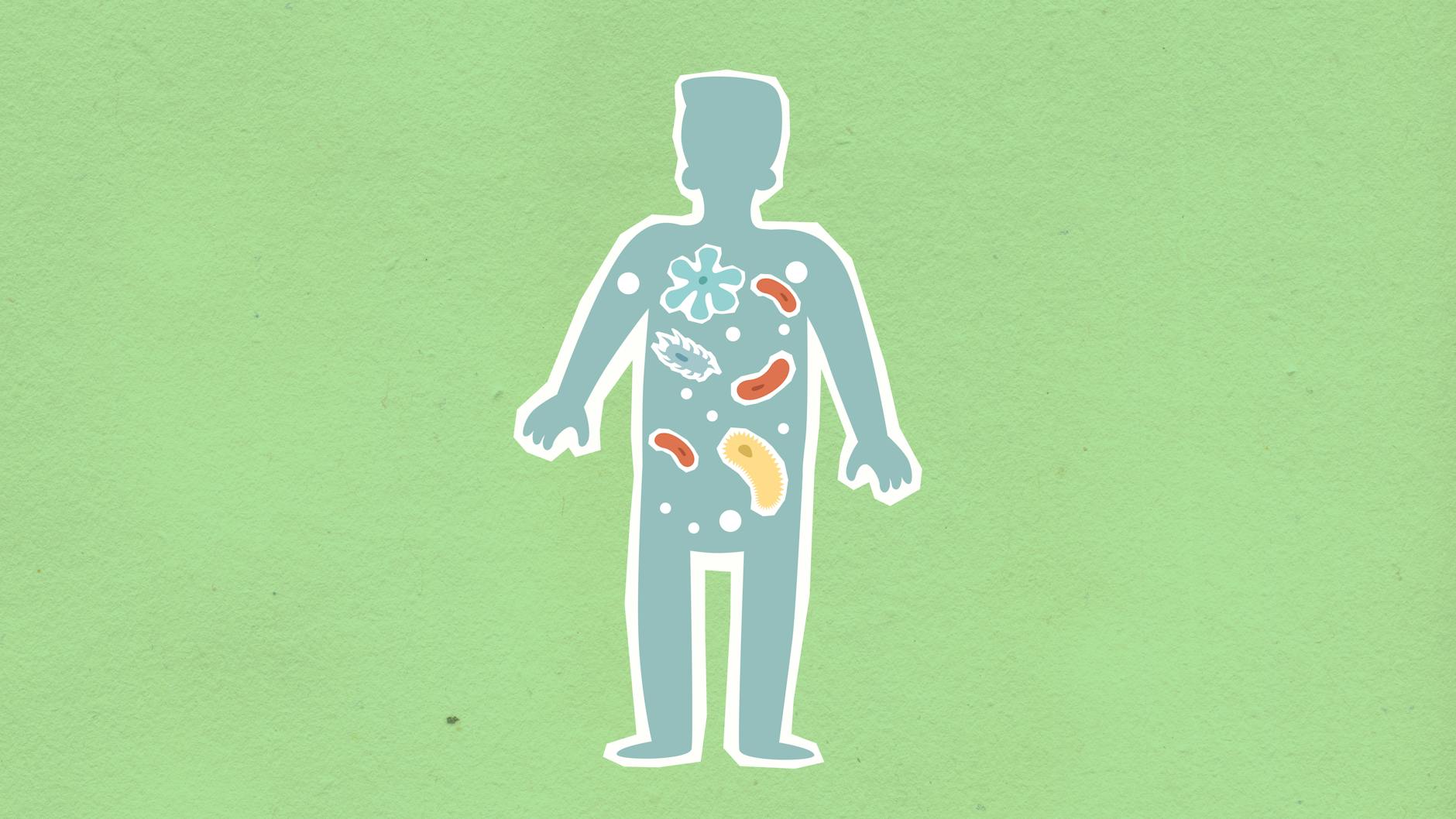
Take the gut microbiome. Scientists at the State University of Campinas (UNICAMP) in São Paulo, Brazil, publishing in the journal Gut Microbes, revealed how gut bacteria and the compounds they produce — particularly a molecule called butyrate — directly shape the cells lining the large intestine. Remove the microbiota, and the protective cellular profile of that intestinal wall changes significantly. The barrier between your body and the microbial world becomes a different thing entirely.
And here's where it gets personal: that microbial community isn't just something you're born with or build alone. A study from the University of East Anglia, using a colony of small island birds as a model, found that animals share more of their gut bacteria with the individuals they spend the most time with. The research team was clear that the same principle almost certainly applies to humans. Your housemates, your family, your closest friends — they may be quietly, invisibly shaping your intestinal ecosystem, one shared meal or shared couch at a time.
Why Ozempic Fails One in Ten
Gut health is only one frontier being redrawn. Across the biomedical world, scientists are solving mysteries that have frustrated clinicians for years. Among the most pressing: why do blockbuster drugs like Ozempic and Wegovy — transformative for many patients — simply not work for some people?
New research has an answer. Roughly 10% of people carry specific genetic variants that produce a condition scientists are calling "GLP-1 resistance." These individuals actually generate higher levels of the hormone that drugs like Ozempic target — but their bodies don't respond to it properly. It's a biological paradox that had been hiding in plain sight, and identifying it opens the door to more personalised treatment for diabetes and obesity.
Reading the Genome's Fine Print
Personalised medicine depends on reading the genome clearly — and two separate research teams are making that possible in new ways.
At the University of Minnesota Medical School, researchers have developed a method called PARTAGE that gives scientists a far sharper picture of how the genome is regulated and disrupted in diseases like cancer, with findings published in Genome Research. Meanwhile, academics at the University of Exeter and their international collaborators have been working in the genome's most overlooked neighbourhood: non-coding genes. These are stretches of DNA that don't produce proteins and were long dismissed as biological background noise. The Exeter team found that DNA changes in two such genes — ones that produce functional RNA molecules instead — are a direct cause of neonatal diabetes, the rare condition where babies are born with the disease. It's a reminder that the genome still holds chapters medicine hasn't properly read yet.
Nanodiscs, AI, and the Next Generation of Vaccines
Some of the most electric work is happening at the intersection of virology, nanotechnology, and artificial intelligence.
Scientists have developed a nanodisc-based platform that allows them to study viral proteins in an environment that closely mimics a real virus. Using this technology, researchers uncovered hidden structural weak spots in HIV and Ebola — interactions that traditional lab methods had consistently missed. By recreating the membrane environment of a living virus, the platform reveals how antibodies truly recognise their targets, potentially accelerating the development of far more effective vaccines.
On the AI side, a team at The University of Texas Medical Branch (UTMB), led by virologist Nikos Vasilakis, Ph.D., and AI center director Peter McCaffrey, MD, has built a computational pipeline to fast-track vaccines against alphaviruses — a group of mosquito-borne viruses that pose a growing global health threat. Rather than spending years in traditional trial-and-error development, their AI-driven approach could identify promising vaccine candidates in a fraction of the time.
The Picture That's Emerging
Taken together, these eight discoveries tell a single story: the body is far more interconnected, far more responsive to its environment, and far more readable than medicine has known how to appreciate — until now.
The compounds in your spice rack talk to your immune cells. The bacteria in your gut talk to the people you live with. Your DNA contains chapters in a language researchers are only beginning to translate. And the tools arriving now — nanodiscs, AI pipelines, new genomic methods — are giving scientists the ability to listen to those conversations with unprecedented clarity.
The kitchen counter. The shared apartment. The strand of RNA. They're all part of the same story. And medicine, in 2026, is finally starting to hear it whole.
Sign in to join the conversation.
Comments (0)
No comments yet. Be the first to share your thoughts.