A Quiet Revolution at a Gasoline Station
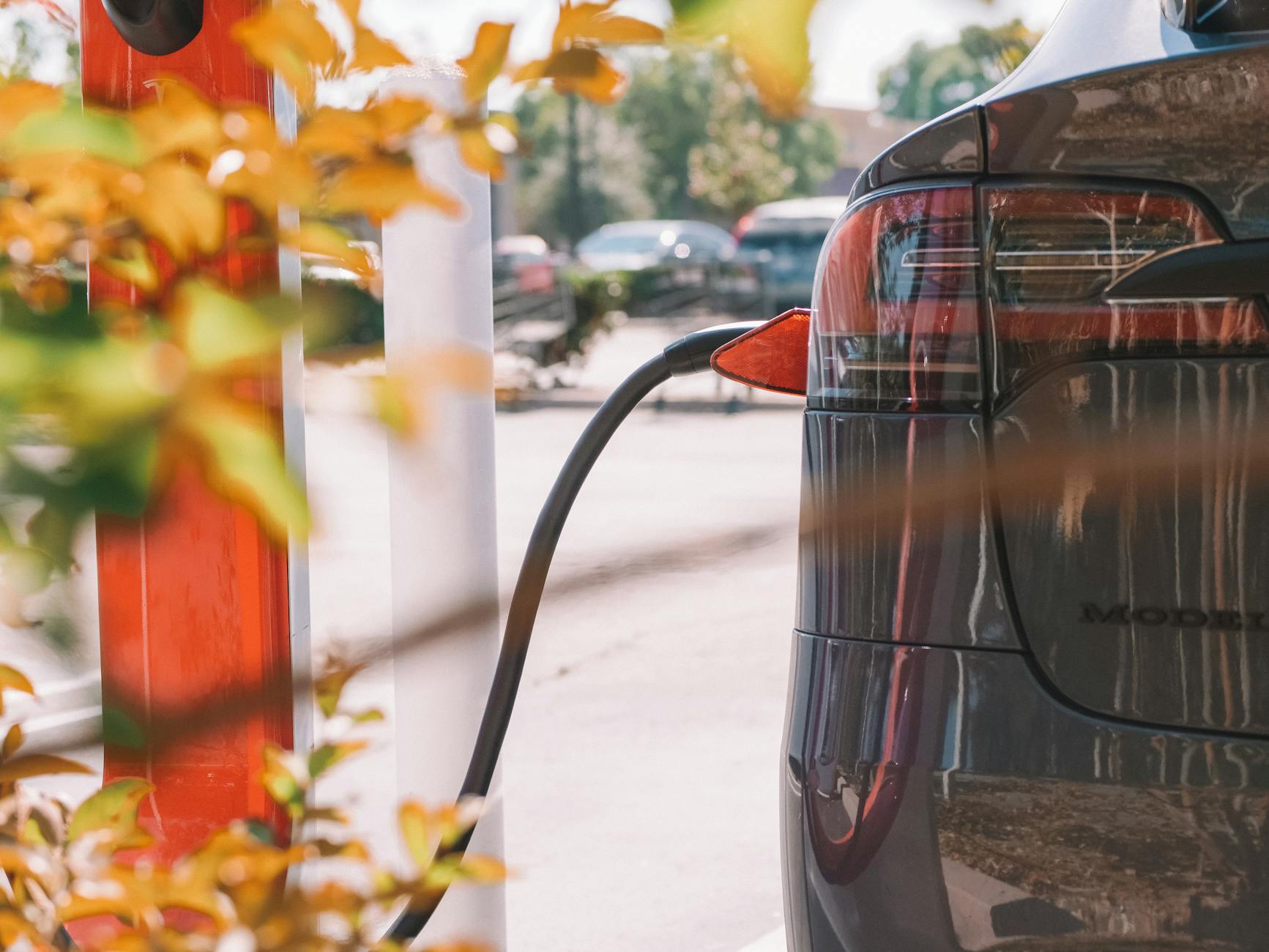
Picture a VinFast MPV 7 — a sleek, seven-seat electric vehicle — being unloaded at a small dealership tucked inside a gasoline station in Sto. Tomas, Batangas, in the Philippine provinces. No fanfare. No ribbon-cutting. Just a battery-powered family car arriving in one of the most unlikely places imaginable, as CleanTechnica reports. That image is, in miniature, the story of the global energy transition in 2026: electric technology showing up in places you didn't expect, faster than almost anyone predicted.
It's happening on every continent, in every vehicle class, at every income level. And it's accelerating.
From Manila to Melbourne
The Philippines is having a moment. VinFast's MPV 7 rollout is now a full-scale national push, bringing affordable electric 7-seaters to a country where large families are the norm and fuel costs sting. Simultaneously, the Government Service Insurance System (GSIS) — the state pension fund for Filipino civil servants — has earmarked ₱12.5 billion ($223 million) for the Ginhawa Solar Energy Loan program, making rooftop solar a mainstream financing option for ordinary households, not just a luxury for the affluent.
Two policies. One country. The message: clean energy isn't waiting for the wealthy world to lead.
Meanwhile, on the other side of the Pacific, a CleanTechnica writer in Queensland describes a perfectly ordinary autumn afternoon — 28°C, grandchildren visiting, solar panels humming — that doubles as a data point. Australia's renewable energy transition, as the piece reports, is no longer a policy aspiration. It's a lived reality, playing out in backyards and on grid dashboards across the continent.
Buses, Scooters, and the Middle of the Market
The transformation isn't only about cars. Brazil's public transit sector has crossed a threshold that once seemed years away. Zero-emission buses, formerly a curiosity for market analysts, are now scaling industrially. As of early 2026, Brazil's electric bus fleet has expanded to the point where individual unit counts feel almost beside the point — the question has shifted from whether to how fast, according to CleanTechnica's reporting.
Ukraine, enduring a brutal war, received five electric buses from Azerbaijan as humanitarian assistance — a quietly remarkable detail shared by Ukraine's Minister for Foreign Affairs. That electric buses are now a meaningful form of aid tells you something about how far the technology has traveled from premium novelty to practical necessity.
Strip China out of the global electric scooter picture, and what you find isn't collapse — it's a mosaic. Southeast Asia, South Asia, parts of Latin America and Africa: regional markets are moving at different speeds, shaped by fuel subsidies, urban density, and two-wheeler culture. CleanTechnica's analysis of Asia-focused mobility data shows that ex-China electric scooter markets are fragmenting into genuine regional stories, each with its own policy levers and tipping points.
The Battery Question
All of it hinges on one thing: energy storage. And here the news is genuinely exciting. US startup Factorial Energy is pushing solid-state EV battery technology toward commercial scale, initially targeting electric military drones and robotics — applications that demand energy density and reliability above all else. As CleanTechnica notes, the implications ripple outward fast. Solid-state batteries that survive battlefield conditions will transform passenger EVs, grid storage, and everything in between. The fossil fuel industry has long bet that batteries would never get good enough, cheap enough, or durable enough. That bet is looking increasingly shaky.
Europe Closes the Loop
The European Union is trying to ensure it isn't left assembling other people's batteries. The Industrial Accelerator Act (IAA), analyzed by Transport & Environment (T&E), is designed to build a Made-in-EU battery value chain — keeping manufacturing jobs, supply chain resilience, and climate progress inside the bloc. T&E's position paper supports the ambition while flagging loopholes that could let the policy's benefits leak away. The debate is technical, but the stakes are enormous: whoever masters battery manufacturing at scale will shape the economics of electrification for decades.
The World Is Already Rewiring
What's striking about this snapshot of a single week in May 2026 is not any single headline — it's the sheer geographic and economic spread. A pension fund in Manila. A Queensland backyard. A Brazilian bus depot. A Ukrainian city receiving humanitarian aid on wheels. A European parliament debating supply chains. A startup in the United States pushing battery chemistry toward its limits.
The energy transition is no longer a story about a few wealthy countries and a handful of flagship projects. It is, messily and imperfectly, a planetary story — unfolding in gasoline stations in Batangas, on autumn afternoons in Queensland, and on streets in Kyiv. The rewiring of the world doesn't always look dramatic. Sometimes it looks like a seven-seater pulling up to a pump that will, one day, have nothing left to sell.
Sign in to join the conversation.
Comments (0)
No comments yet. Be the first to share your thoughts.