A Frenzy in the Desert
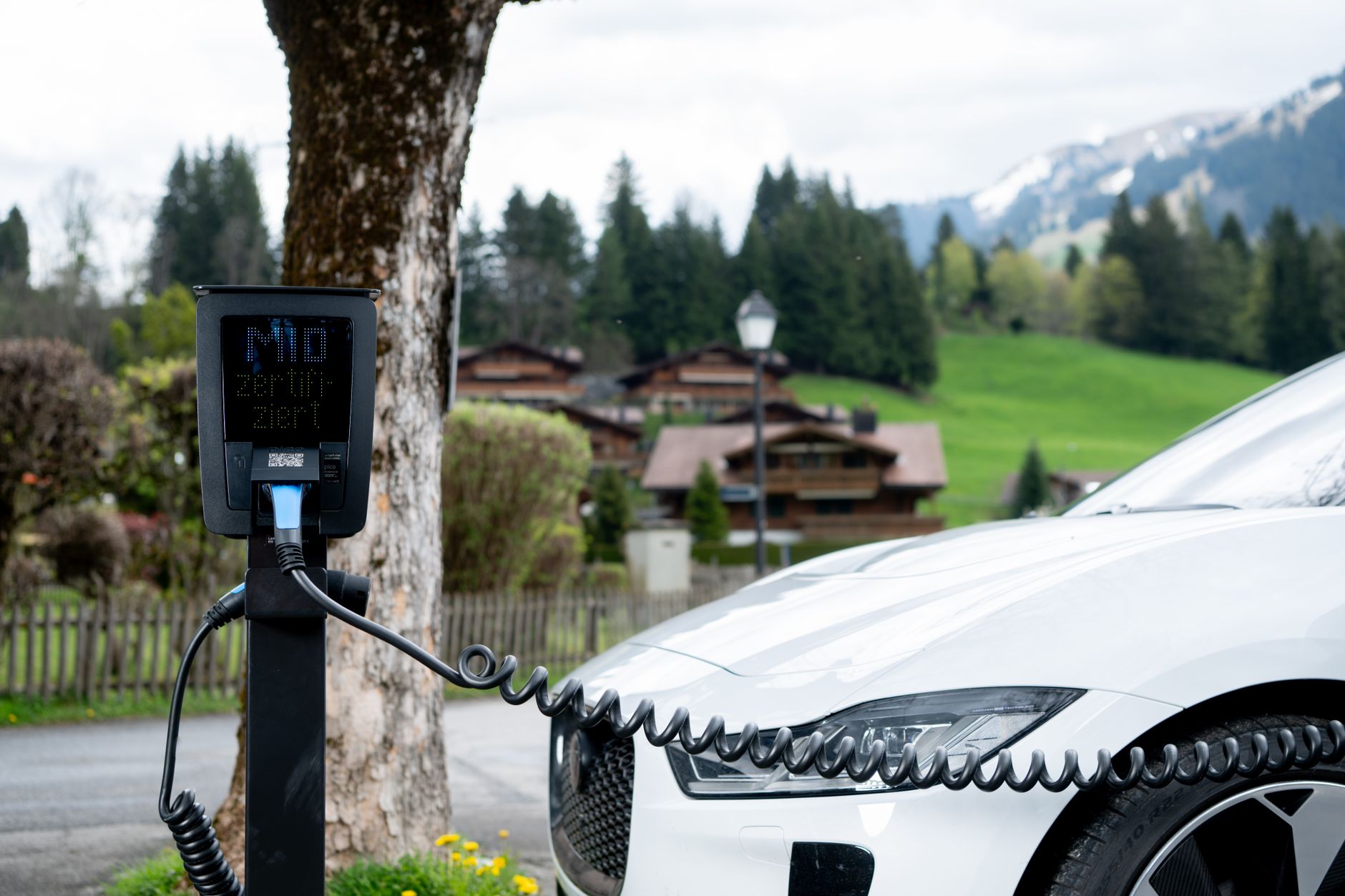
Picture the scene: drivers lined up, engines idling, waiting for their turn at a free charge. It sounds like the kind of stunt you'd expect in California or Norway. But this is Saudi Arabia — where 100 free EV chargers have just been installed, kicking off an adoption campaign designed to trigger exactly that kind of frenzy. The marketing logic, as CleanTechnica notes, mirrors a gas station giveaway that once stopped traffic in Texas. Only this time, the product is electrons, and the country doing the giving is one of the world's largest oil exporters.
That detail alone should make you pause. Because when Saudi Arabia starts building EV infrastructure as a marketing tool, the global transition has clearly crossed a threshold.
The Map Is Changing Fast
The same week Saudi Arabia unveiled its chargers, Dubai's Roads and Transport Authority announced that 735 electric buses will arrive in the emirate in 2026. Seven hundred and thirty-five. As CleanTechnica reports, the Emirates News Agency broke the news on May 2nd — and the sheer scale of the order raises a simple question: how does a city acquire that many electric buses so quickly? The answer, increasingly, is China, where electric vehicle manufacturing has reached a pace and price point that is reshaping procurement decisions from the Gulf to the Global South.
China's influence on this story runs deeper than bus exports. According to CleanTechnica, battery-electric concrete mixers — not exactly a glamorous vehicle category — have gone from a niche product to a major new-sales segment in just five years on the Chinese market. These are heavy, demanding machines, the kind that skeptics long held up as proof that electrification had limits. They were wrong. Outside China, the rest of the heavy truck market is watching, and the message is uncomfortable: move now, or get left behind.
Old Icons, New Identities
Not every legacy player is dragging its feet. At the 24-hour Nürburgring endurance race — motorsport's most punishing arena — Volkswagen chose the ultimate stage to unveil the ID. Polo GTI, the first-ever electric GTI model. Fifty years after the original GTI debuted and rewrote what a hot hatchback could be, VW is betting that electric performance can carry the same emotional weight. Three Golf GTI Clubsport 24h models are competing in the race's "Green" class, a symbol that speed and sustainability are no longer at odds.
Meanwhile, Rivian is pushing further into the mainstream with its new R2 — a more affordable, more mass-market model that CleanTechnica describes as both exciting and nerve-wracking for EV advocates. Extra features, new variants, and the possibility of in-house lidar technology suggest Rivian isn't just building a car; it's building an ecosystem. The stakes are high. Getting the R2 right could meaningfully accelerate EV adoption among buyers who have been waiting for the price to come down.
Robots, Routes, and a Small Country That Beat Everyone
Here's a fact that surprises almost everyone: Europe's first robotaxi service didn't launch in Germany, France, or the UK. It launched in Croatia. The small Adriatic nation — better known for its coastline than its tech sector — has beaten the continent's giants to a milestone that the US and China first reached back in 2020, as CleanTechnica reports. Six years is a long time in autonomous vehicle development, but Europe is finally on the board.
The freight world is moving autonomously too. A new autonomous freight startup has just launched, targeting the vast and often overlooked world of fleet electrification. As CleanTechnica points out, fleet vehicles do enormous amounts of work — deliveries, logistics, construction supply chains — but they rarely get the headlines that consumer EVs do. That's starting to change.
Coal's Quiet Collapse
Beneath all the launch events and press releases, a quieter transformation is underway in the American South. Coal delivered for non-power uses — primarily manufacturing — has fallen by roughly half across the United States over the past 15 years. In the South, the decline has been even steeper: a 75% drop between 2010 and 2025, amounting to 14.7 million short tons, according to CleanTechnica. These aren't headline numbers, but they represent something profound — an industrial base slowly, irreversibly rewiring itself.
One Week, One Direction
What's remarkable about all of this happening in a single week is not any one story in isolation — it's the pattern. Free chargers in Riyadh. Electric buses in Dubai. A robotaxi in Zagreb. A concrete mixer boom in Shenzhen. A legendary hot hatch reborn as an EV at the Nürburgring. Coal fading in Alabama.
The clean energy transition has always been described as a future event. Increasingly, it reads like a present-tense dispatch from everywhere at once — and the direction of travel is unmistakable.
Sign in to join the conversation.
Comments (0)
No comments yet. Be the first to share your thoughts.