Midnight in Texas, Morning in Taipei
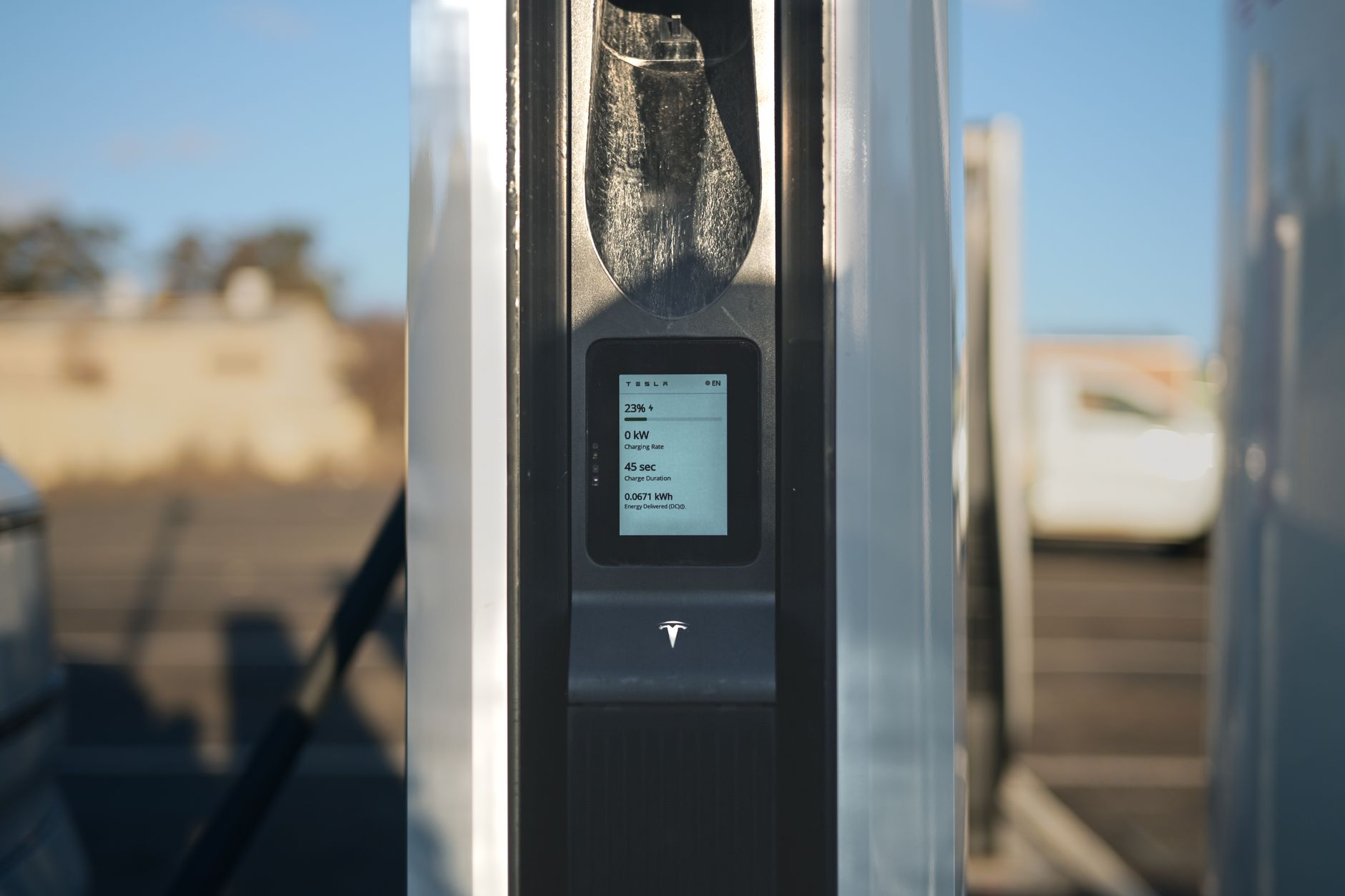
Somewhere in suburban Texas, a Ford F-150 Lightning sits quietly in a driveway, drinking electricity while its owner sleeps. The meter is spinning — but the bill isn't growing. Thanks to a partnership between Ford and TXU Energy, that overnight charging is essentially free, part of a program called Free EV Miles that rewards customers for charging during off-peak hours. As CleanTechnica reports, Ford EV and plug-in hybrid owners in Texas are stacking real savings, night after night, without changing a thing about their routine.
Half a world away, Taipei is doing something far more dramatic. Taiwan already has more than 14 million scooters for a population of 23 million — one of the densest concentrations of two-wheeled vehicles on Earth. By early 2026, the city's shift from combustion to electric drivetrains is no longer a policy proposal. It's a streetscape transformation. Taipei is moving toward going fully electric, making it a global proving ground for the kind of urban mobility revolution that most cities are still debating in committee rooms.
The Auto Shows Are Telling a New Story
Meanwhile, the world's biggest automakers gathered in Beijing and showed their hands.
At Auto China 2026, Hyundai unveiled the IONIQ V — its first dedicated IONIQ production model built specifically for Chinese consumers. The company's strategy, which it calls "In China, For China, To Global," signals something important: China isn't just a market to sell into. It's becoming a genuine hub for EV innovation that will shape what the rest of the world drives. Hyundai's ambitious roadmap suggests this is only the first move in a much larger offensive.
Lynk & Co made its own statement at the 2026 Beijing Auto Show, pulling the covers off "Time to Shine" — a two-door Gran Turismo concept that marks the brand's 10th anniversary. It's a striking design that weaves together a decade of motorsport experience and performance ambition into a single, electrified vision of what a GT car can be. The name feels deliberate. For EVs, the moment really has arrived.
Back on American soil, CleanTechnica got its hands dirty — literally. Hyundai flew reporters out to its factory near Savannah, Georgia, to take the new IONIQ 5 XRT off-road. The rugged variant of one of the world's most celebrated EVs turns out to be genuinely capable in the dirt, adding a dimension to electric driving that once seemed reserved for gas-powered trucks.
Clean Energy Is Personal — and Getting More So
On April 25, 2026, at the Blaisdell Center in downtown Honolulu, CleanTechnica's own Scott Cooney and Zachary Shahan showed up to the Electric Home Show — an event where ordinary residents could test-drive a Kia EV9, talk to vendors, and imagine what a fully electrified home life actually looks like. No abstractions. Just real people, real products, and real conversations about a transition that's landing on doorsteps right now.
That personal dimension matters. The electric transition isn't just happening at auto shows and in policy papers. It's happening in garages, living rooms, and kitchen appliance upgrades. It's a Finnish sailor navigating a solar-powered boat through French waters, edging toward Spain — thousands of miles logged on sunlight alone, documented in real time for anyone willing to follow along. Adventure and clean energy, it turns out, are not mutually exclusive.
Accountability Is Part of the Story Too
Not every piece of this puzzle is triumphant. In Alberta, Canada, the provincial energy regulator ordered a company called MAGA Energy to suspend operations in April 2026 over unpaid obligations and broken commitments. As CleanTechnica reports, the Rural Municipalities of Alberta have flagged a deepening crisis: weak oil and gas operators leaving behind financial liabilities and damaged land, with rural communities left to absorb the costs.
The story is a reminder that the clean energy transition isn't just about what's being built — it's about what's being wound down, and whether that wind-down is handled responsibly. Holding failing fossil fuel operators accountable isn't anti-energy. It's pro-community, pro-landscape, and ultimately pro-future.
A World Already in Motion
What's striking about all of these stories, scattered across Texas, Taipei, Beijing, Savannah, Honolulu, Alberta, and the Atlantic Ocean, is how little they feel like previews. They feel like dispatches. The electric world isn't arriving — it's already running errands, navigating scooter lanes, and sailing toward Spain.
The question for most of us is no longer whether this transition will happen. It's whether we'll notice all the ways it already has.
Sign in to join the conversation.
Comments (0)
No comments yet. Be the first to share your thoughts.