A Sea of Blue Light — and a Bigger Idea
Picture a concert crowd pulsing under a wash of bioluminescent blue — not from glow sticks filled with toxic chemicals, but from living algae, shimmering on demand. Researchers at the University of Colorado Boulder have made that vision real, publishing a new technology in Science Advances that could one day replace electricity-hungry, chemically toxic light sources with organisms that have been glowing in the ocean for millions of years.
It sounds like science fiction. But it's one thread in a much larger tapestry — a wave of research that is quietly rewriting what innovation looks like, who it serves, and what it costs the planet.
Nature as the Blueprint
The Colorado algae work isn't an isolated curiosity. It fits squarely inside an emerging field that an international research team is calling ecotech — a framework published in Science Advances that aims to create scalable solutions to environmental, social, and economic challenges simultaneously. Where older models of technology treated nature as a resource to extract from, ecotech treats it as a collaborator — an "innovation accelerator," as the researchers put it.
The roadmap is timely. Climate pressure is mounting, resources are finite, and the problems are deeply interconnected. Ecotech doesn't promise magic; it promises a different set of design principles.
Trash as Raw Material
Perhaps nowhere is that shift more concrete than in a University of Cambridge laboratory, where researchers recently demonstrated something remarkable: old plastic bottles — PET water bottles, nylon, polyurethane — can be converted into valuable industrial chemical feedstocks using battery acid from scrapped cars and a catalyst, powered by sunlight alone.
No new energy input. No virgin materials. Just waste feeding waste, guided by light.
The implications ripple outward. Plastics that would otherwise clog landfills or oceans become the starting point for useful manufacturing chemicals. It's a closed loop that the ecotech framework was built to celebrate — and it suggests that the materials for tomorrow's economy may already be sitting in yesterday's garbage.
The Sensors That See What We Can't
Innovation in 2026 isn't only about materials and biology. It's also about perception — seeing the world with far greater resolution and speed than human senses allow.
MIT researchers have published a breakthrough in photonics that could usher in a new generation of lidar sensors: compact, durable, with no moving parts. Traditional lidar systems — the spinning, expensive hardware mounted on autonomous vehicles — are bulky and prone to mechanical failure over time. The MIT advance strips that complexity away, opening the door to lidar that could be embedded almost anywhere, enabling autonomous vehicles to react to obstacles faster and more reliably than ever before.
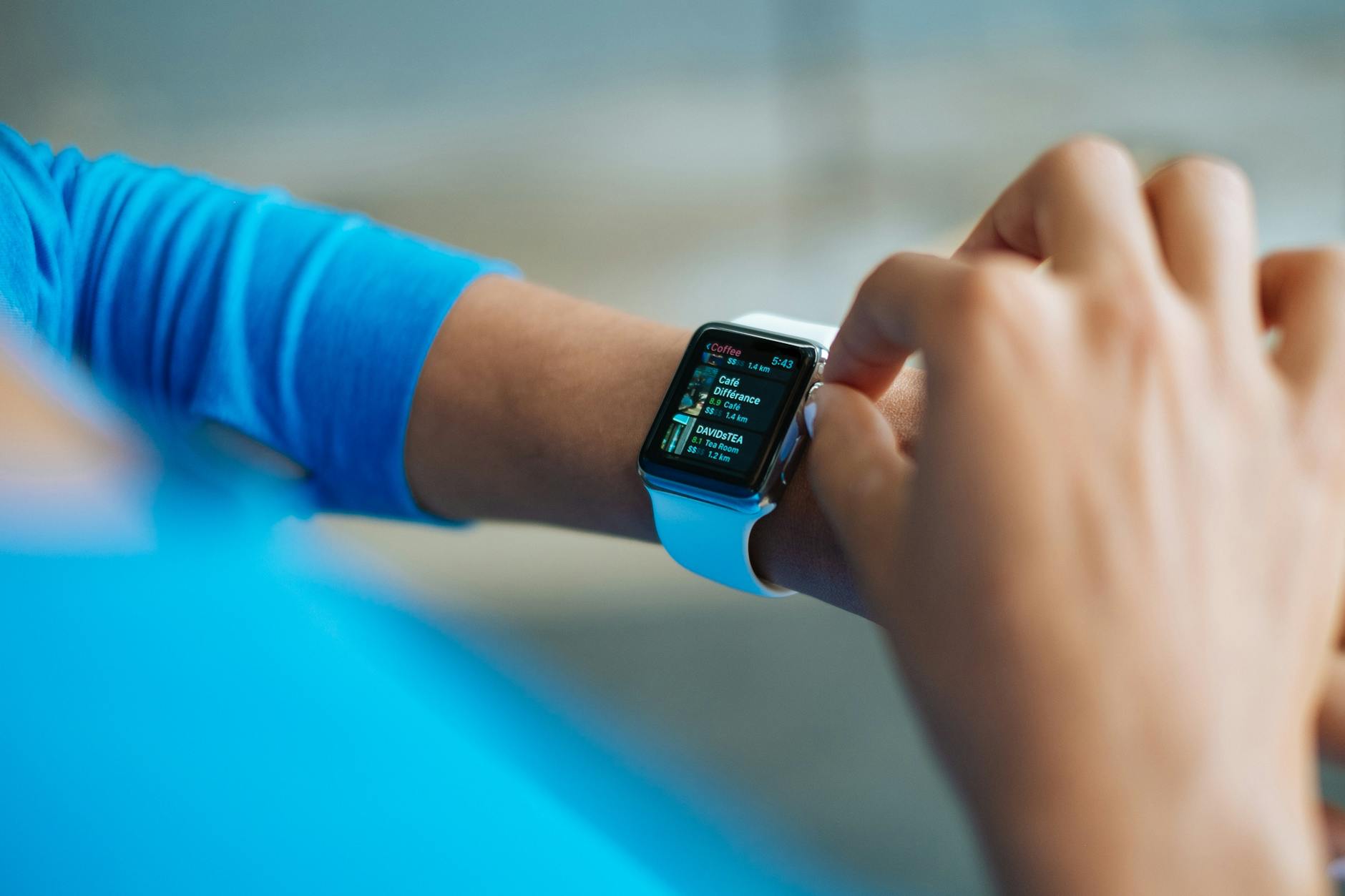
Meanwhile, a pilot study led by researchers at The City University of New York is turning the humble smartwatch into an environmental health instrument. By combining wearable devices, smartphone GPS data, and real-time surveys, the CUNY team demonstrated they could track individuals' exposures to extreme heat and air pollution — and measure the immediate physical and emotional effects on the body. As climate change makes those exposures more frequent and more severe, tools that can capture harm in real time become tools that can prevent it.
Reading the Road for Signs of Decline
The same principle — use the data you already have, in ways you haven't thought to look — is animating research into one of the quietest public health challenges of our era: early cognitive decline in older drivers.
There are more than 50 million licensed drivers aged 65 and older in the United States, with roughly 5 million in Florida alone, one of the highest concentrations in the country. A new study shows that vehicle sensors and driving data — the kind already embedded in modern cars — can detect subtle changes in driving behavior that correlate with early cognitive decline, long before a crisis occurs. No lab visit required. No stigma. Just the car, quietly paying attention.
It's the same instinct behind MedTech Breakthrough's 2026 awards, which this year mark a full decade of recognizing excellence in digital health and medical technology across more than 20 countries. The winners span AI diagnostics, remote monitoring, and connected care — a field that has matured from novelty to necessity in ten years.
The Human Thread
Technology, of course, doesn't save anyone by itself. Consider Semira Maye, who was 18 years old when she left her newborn daughter in Asela, Ethiopia, and boarded a flight to Dubai in November 2023, drawn by a casual conversation with her aunt about a job opportunity in Qatar. What followed — reported by the International Labour Organization — was a journey through pressure, vulnerability, and ultimately resilience, as Semira found her footing and built something of her own.
Her story is a reminder that the most important frontier isn't a laboratory. It's the gap between who innovation reaches and who it doesn't. Every glowing algae cell, every repurposed plastic bottle, every sensor that catches a problem early — its true value is measured in lives it improves for people who need it most.
The World Being Built
The next few years will be defined not by a single breakthrough but by convergence: materials science meeting biology, sensors meeting health equity, data meeting dignity. The tools being forged right now — in Cambridge, Boulder, MIT, New York, and far beyond — are pieces of the same puzzle.
The question is whether we assemble them wisely. The research says we can. The people doing it believe we will.
That's reason enough to pay attention.
Sign in to join the conversation.
Comments (0)
No comments yet. Be the first to share your thoughts.