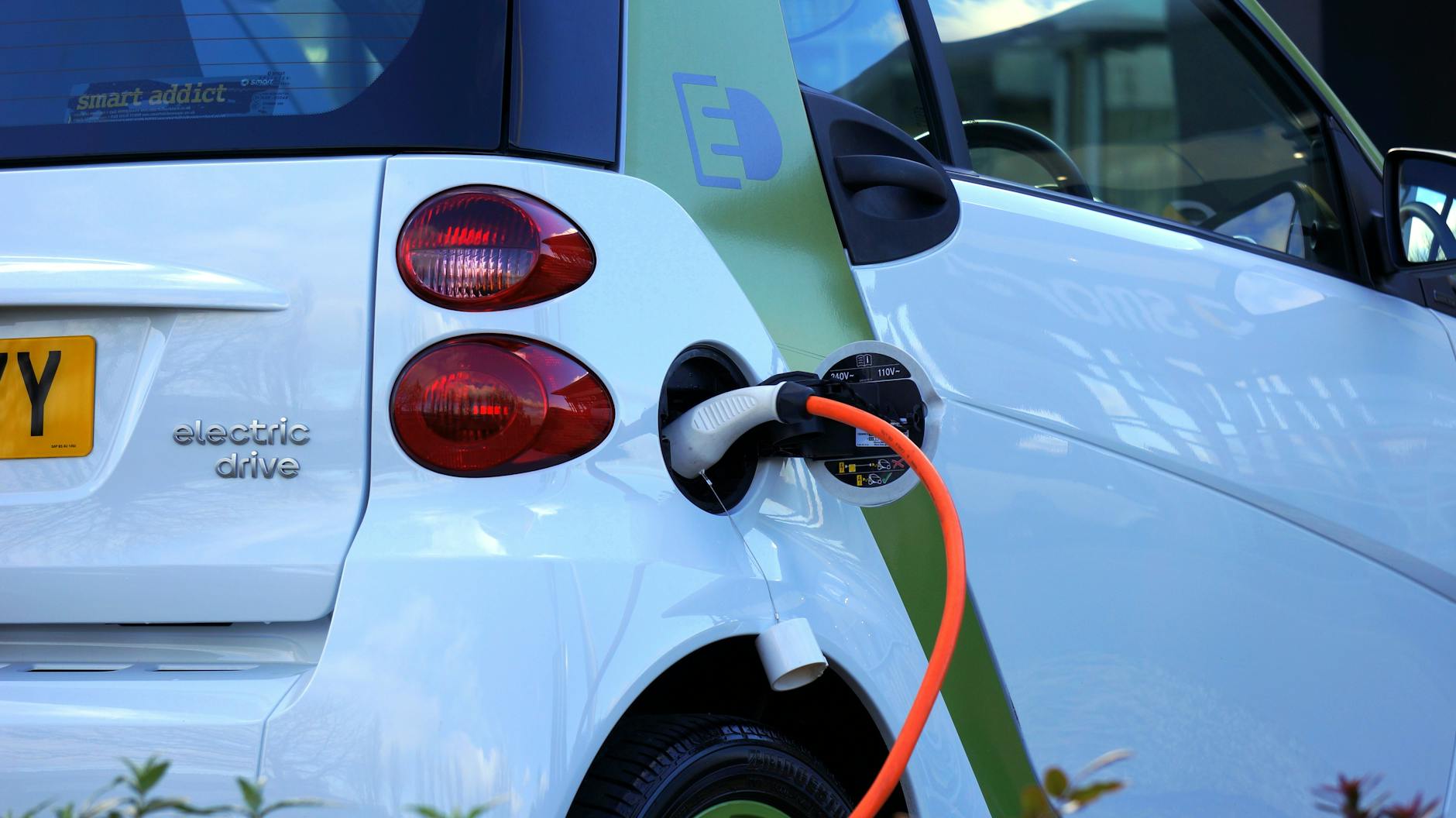
A Truck, a Bus, and a Steel Mill Walk Into 2026
Picture this: a fire truck rolls out of a Vancouver station, its engine silent except for the hum of electric motors. A few thousand miles east, in the Flanders region of Belgium, transport agency De Lijn commissions its 1,000th electric bus. And in Osceola, Arkansas, a $2 billion investment is breaking ground on a cleaner way to make steel.
None of these feel like front-page revolutions. But together, they tell a story that's hard to ignore.
The clean energy transition isn't one dramatic moment. It's a thousand quiet ones — happening simultaneously, across industries, oceans, and continents. And in 2026, even as political headwinds blow hard against it, the momentum is unmistakable.
Buses, Trucks, and the Unglamorous Work of Progress
As CleanTechnica reports, 103 new electric buses are headed to Swedish cities — another increment in a trend that may lack the flash of a sports car reveal but carries far more daily impact. Public transit electrification means cleaner air for the people who can least afford to drive, on routes that run every single day.
Belgium's milestone is even more striking. De Lijn's 1,000th electric bus isn't a prototype or a pilot. It's a fleet. A thousand vehicles that no longer idle on diesel, no longer fill city streets with particulate matter, no longer tie regional transit budgets to volatile fuel prices. "The speed at which transportation is electrifying is almost stunning," CleanTechnica notes — and that's not hype. It's arithmetic.
Electric fire trucks are part this story too, though they trail the pack. Vancouver's electric fire truck is real, in service, and part of the city's municipal fleet — but as CleanTechnica observes, fire trucks still lag significantly behind buses, garbage trucks, and drayage fleets in electrification rates. The reason is practical: fire trucks demand enormous, unpredictable power bursts. The technology is catching up. It just isn't there yet everywhere.
That honesty matters. The clean energy story is most credible — and most useful — when it doesn't pretend every problem is solved.
Steel, Emissions, and the Corporate Reckoning Nobody Talks About
Meanwhile, in the industrial heartland, something significant is stirring. U.S. Steel announced it will invest nearly $2 billion to build a direct reduced iron (DRI) facility at Big River Steel Works in Osceola, Arkansas. The DRI will feed into existing electric arc furnaces, producing steel with a dramatically smaller carbon footprint than traditional blast furnace methods.
The Sierra Club called it "a good first step" while urging the company — and its parent Nippon Steel — not to overlook greening steel operations in the Midwest. The message: progress deserves recognition, and pressure deserves to continue.
That same tension plays out in corporate boardrooms everywhere. As CleanTechnica reports on Scope 3 emissions — the indirect emissions that flow through a company's entire supply chain — even corporations reluctant to say the words "climate change" out loud are quietly working to reduce their footprint. The U.S. federal government may have scrubbed references to climate from its websites, but the corporate world is doing its own math. The liability is real. The reputational risk is real. The action, however quiet, is real.
Toyota's "One Tahara" Moment
In Tahara City, Aichi, Japan, about 9,000 people work at Toyota's Tahara Plant. In fiscal year 2026, that plant became the first in Toyota's global network to achieve carbon neutrality. The achievement came not from a single grand gesture, but from what Toyota describes as the "One Tahara" spirit — a combination of large-scale equipment upgrades and small, on-the-ground improvements made by the people who actually build the cars.
It's a model that scales. Not because every factory has Toyota's resources, but because the approach — systematic, participatory, relentlessly incremental — is available to anyone willing to commit to it.
The Ocean as Power Plant
And then there's the frontier that most people haven't thought about yet. Wave energy — harvesting the perpetual motion of the ocean's surface — could one day power autonomous underwater vehicles, remote coastal infrastructure, and off-grid maritime operations across U.S. coastal regions. According to CleanTechnica, new modeling advancements are helping developers build more robust, seaworthy devices. Most wave energy technologies are still in early development, but the data being gathered now is building the foundation for a reliable, local power source that never stops moving.
The Front Is Holding
Even as the Trump administration has used, in CleanTechnica's words, "every tool in its power — and then some — to extinguish clean energy innovation," the numbers tell a different story. In March 2026, clean energy installations in the U.S. continued to expand. The market forces, the corporate commitments, the municipal procurement decisions, the engineering breakthroughs — they don't pause for politics.
The clean energy front is not one place. It's a Belgian bus depot and a Japanese factory floor and an Arkansas steel mill and a Vancouver fire station and a buoy bobbing off the coast, measuring waves.
It's expanding. And it's doing so whether or not anyone in Washington is paying attention.
Sign in to join the conversation.
Comments (0)
No comments yet. Be the first to share your thoughts.