The World Comes Together: 7 Stories of People Rising in 2026
The morning sun rose over Brandon, Manitoba on June 27, 2026, and by 9 a.m., more than 300 people had already gathered for something bigger than themselves. At the BAPS Charities Spirit of Service Walk-Run, children clutched their parents' hands while retirees walked at a steady pace—all moving toward a shared purpose. The event wasn't just a fundraiser; it was proof that when communities lock arms, generosity compounds. Proceeds flowed to the Brandon Regional Health Centre Foundation, the William Osler Health System, and the CNIB Foundation, organizations quietly doing the unglamorous work of keeping people healthy and seeing. "Every step taken today is a reminder that when people come together with purpose, generosity, and care for one another, they can make a real and lasting difference," organizers noted. Across Canada and the United States, over 50,000 participants in more than 100 cities took part in the same spirit of collective action that day.
Eight thousand miles away, in the stands at Lord's Cricket Ground, former England spinner Alex Hartley leaned forward with unusual certainty. "They are the best [England] team I have seen for a good few years," she said of the side that had just dismantled Scotland, West Indies, and New Zealand with ruthless efficiency. Danni Wyatt-Hodge was leading the tournament in runs. Charlie Dean had stepped seamlessly into a leadership void. Coach Charlotte Edwards, brought in after a humbling Ashes sweep, had installed something rare in the dressing room: calm steel. England wasn't just winning—it was playing with a fluency it hadn't shown in years.
Across the Atlantic, England's rugby team faced a different kind of challenge entirely. At Ellis Park in Johannesburg, nearly 6,000 feet above sea level, coach Sir Kevin Sinfield watched his players breathe heavily in the thin air. The Springboks—a team England hadn't beaten at this venue since 1972—waited across the pitch. "This is just another challenge for the lads," Sinfield said, his own watch alarms having blared upon arrival as his blood oxygen plummeted. But he'd seen his body adapt. After ten days of preparation, England had given itself every possible edge against the world champions.
Meanwhile, an archipelago nation off the coast of West Africa was rewriting its own story. Cape Verde—a country few had on their World Cup radar—had quietly become one of the surprise packages of 2026. Forty-year-old goalkeeper Vozinha, playing in Portugal's second division, had turned away 27 Spanish shots to secure a historic draw. The Blue Sharks finished second in their group, ahead of Uruguay and Saudi Arabia, with just two goals conceded across three matches. As BBC Africa reported, Cape Verde wasn't just participating anymore—it was developing footballing talent that made the world's giants take notice.
That talent was scattered across the continent. Morocco's Ismail Saibari, playing for PSV Eindhoven, became the first African player ever to score in three consecutive matches of the same World Cup edition. DR Congo's Yoane Wissa made history as the first Congolese player to find the net in a World Cup for Newcastle. Ivory Coast, back after a 12-year absence, was building its knockout stage run on a defensive foundation. Africa, it seemed, was no longer content to arrive at the world's biggest tournament. It wanted to own it.
Back in the United Kingdom, Bruce Devlin was defying a different kind of expectation. At 26, he'd been promoted twice in four years, recently named senior quality engineer at software company 2i, and crowned a "rising star" at Scotland's premier digital technology awards. He'd built his own system monitoring tool and was developing a video game. Yet for most of his life, Devlin—raised in Glasgow—had been a full-time carer for his mother, who lived with borderline personality disorder. From age 10 to 21, he cooked, cleaned, managed medications, and navigated appointments on a disability benefits budget. "Just being a contributing member of society is an amazing achievement," he said. His path to success looked nothing like a university degree, and that was precisely the point: the rules were changing.
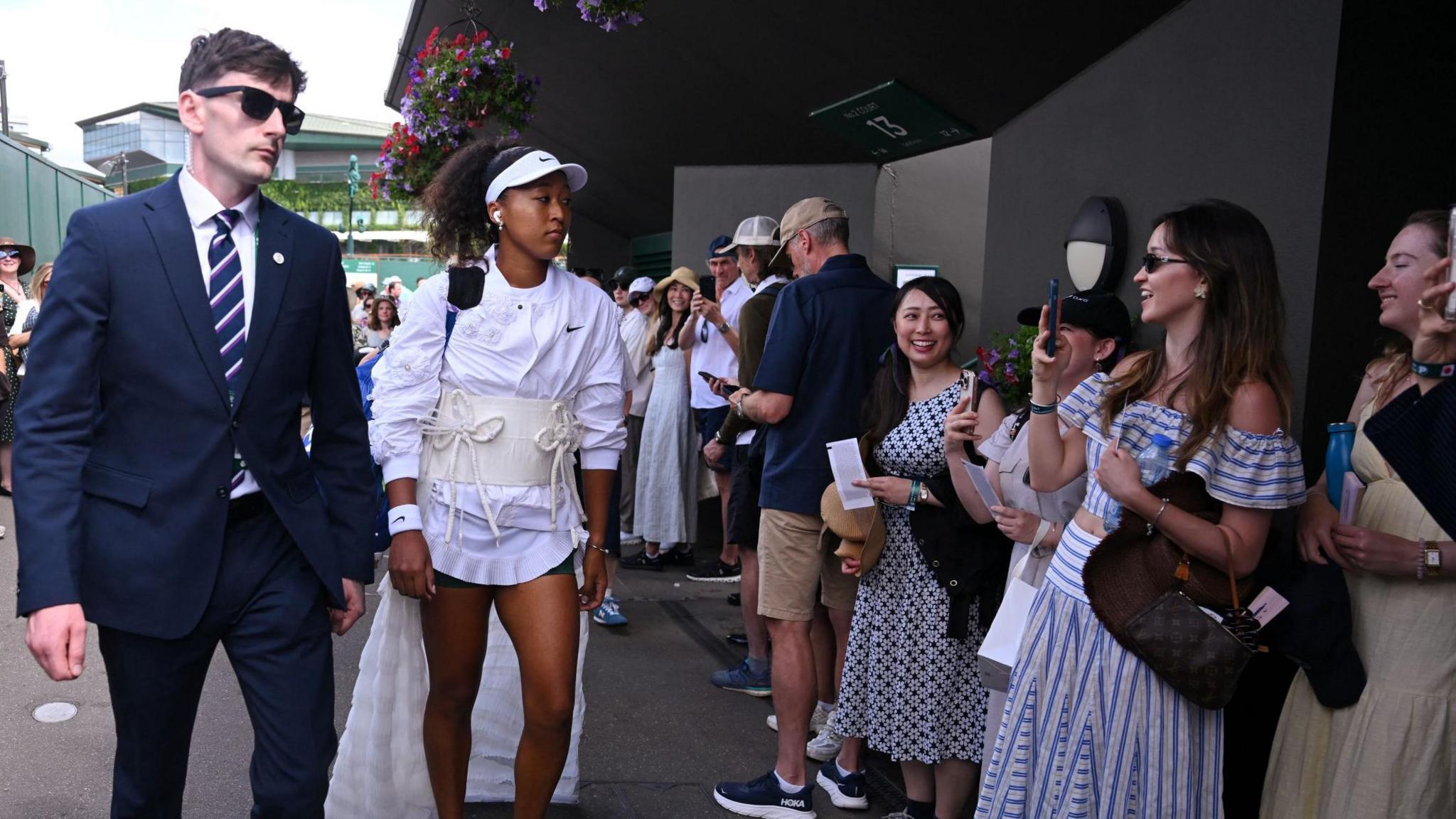
At Wimbledon, Naomi Osaka arrived on Court 2 in a white jacket trailing a long floral train, its obi belt a nod to traditional Japanese dress. She'd worn a full-length kimono for her opening match. She'd mixed it up. She stopped spectators in their tracks. An hour later, she'd beaten Anastasia Gasanova 6-3, 6-2, equaling her best-ever Wimbledon run. "I took a trip to Japan one day. Obviously, you go to Harajuku, and see everyone expressing themselves through clothes," she explained. "It was just so cool and colourful. That stuck out to me a lot." On and off the court, Osaka was refusing to be contained.
What connects a charity walk in Manitoba, England's cricket resurgence, a 40-year-old goalkeeper standing tall against Spain, and a young man from Glasgow who's never set foot in university? In 2026, the answer is this: people are refusing to accept the limits others have placed on them—and communities are showing up to help them rise.
Across the world this year, we've witnessed athletes pushing past historical barriers, nations surprising global powers, and individuals building careers on talent rather than credentials. The BAPS walk-run participants raised funds for neighbors they'll never meet. England cricketers are playing with a freedom that suggests something shifted in their culture. African nations aren't just hoping to compete anymore—they're expecting to. Bruce Devlin turned years of caregiving into a career built on obsessive tinkering and relentless curiosity. And Naomi Osaka, on the sport's most tradition-bound stage, dressed like she had somewhere more interesting to be.
The world isn't fixed. But watching these moments—separated by oceans and decades and completely different lives—it's hard not to feel that something is shifting. People are stepping up. They're adapting. They're expressing themselves. They're building bridges instead of waiting for them. And perhaps that's the most surprising result of all: in a year of headlines about division and decline, the evidence keeps suggesting that when individuals and communities move with purpose, generosity, and care for one another, they really do make a difference.
The question isn't whether the world is improving. It's whether we're paying attention to the people who are quietly proving it every single day.
Sign in to join the conversation.
Comments (0)
No comments yet. Be the first to share your thoughts.