From a Leaping Captain to a Historic Heptathlon
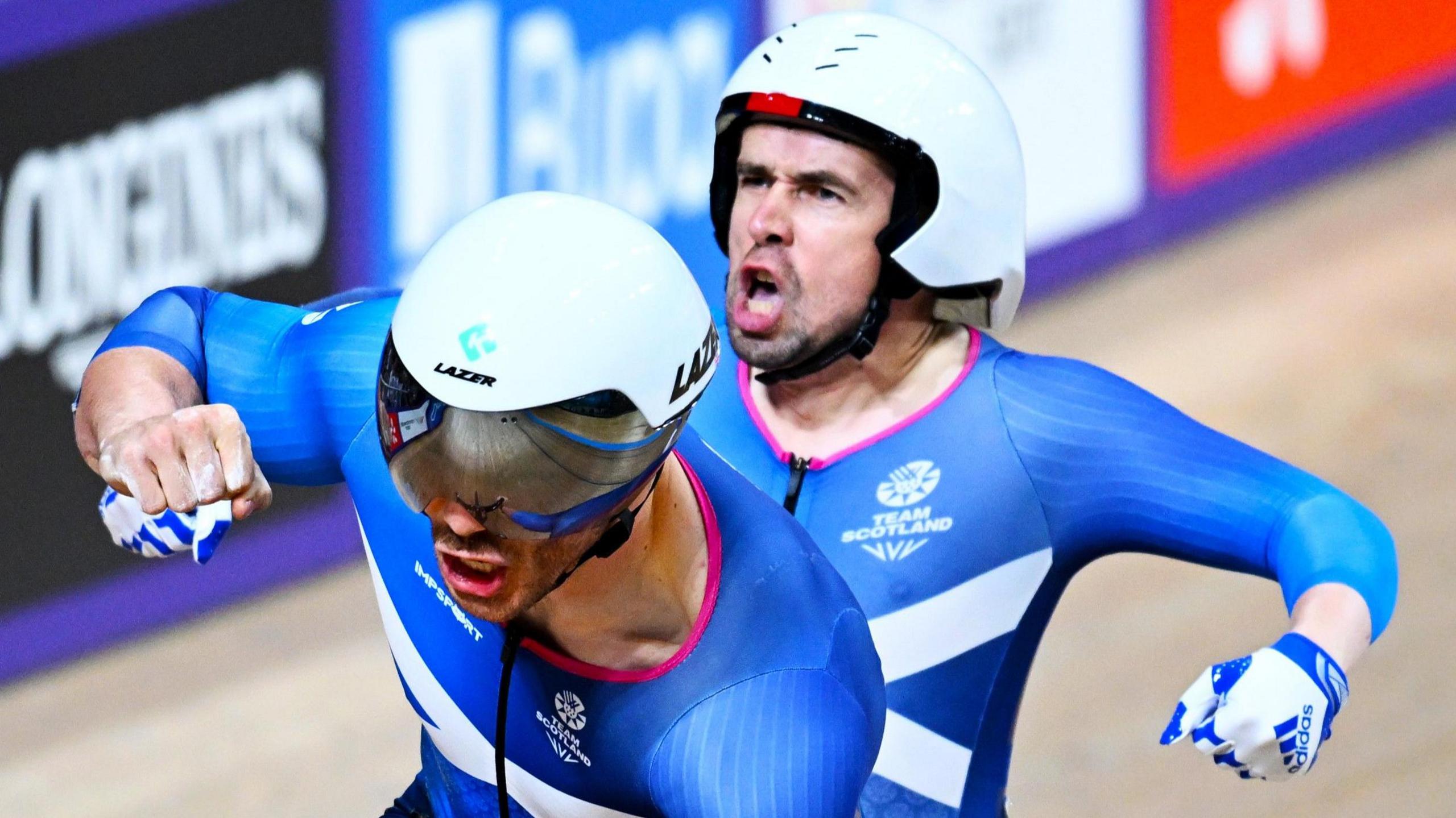
When Neil Fachie crashed in the Sir Chris Hoy Velodrome on Thursday afternoon, the crowd at Glasgow's premier cycling venue fell silent. His wife Lora's face appeared on the big screen, eyes wide with worry. But Fachie, Scotland's most decorated Paralympic cyclist, had other plans. "The story is written here," he told pilot Aaron Pope, "let's finish it off." Minutes later, the 39-year-old stood atop the podium with his second gold of these Commonwealth Games, Flower of Scotland ringing in his ears, tears streaming down his face. His final chapter had been rewritten in blood, sweat, and pure stubborn brilliance.
The Weight of 40 Years Lifted
Across town at Scotstoun Stadium, another athlete was making history—but of a different kind. Kate O' Connor, a 25-year-old from Newry, crossed the 800m finish line to claim Northern Ireland's first athletics gold since 1986. That's four decades. A generation. The weight of it settled on her shoulders as she collapsed, then rose, then fell again in disbelief. "I'm not turning up to championships to come second and third," she'd said before the Games. "I want to be top." She wanted it badly enough to power through a gutted shot put throw, rally after rain-soaked conditions, and hold off England's Jade O' Dowda by 258 points. Her heptathlon total: 6,511 points. Her legacy: secured.
The Captain's Final Leap
Olivia Breen has competed for Wales at four Commonwealth Games. She was 18 when she finished seventh here in Glasgow, celebrating her birthday with a leap into seventh place. Now 30, she leapt again—but this time into gold. The Team Wales captain hit 5.09 meters in the first round, then bettered it with a wind-legal 5.03m in round two. Australia's Layla Sharp finished just three centimeters behind. Breen took silver in the T38 100m on Monday; this gold on Wednesday made it the sweetest birthday week imaginable. "I showed the competitive side of me," she said, "because people were nipping at my heels right until the very end."
The Nervous Swimmer Who Conquered Herself
Angharad Evans calls herself a nervous swimmer. She won't even let herself think about medals before races. Yet there she was at Tollcross International Swimming Centre, powering to her second breaststroke gold of these Games—the 200m to add to her 100m victory—then anchoring Scotland to silver in the 4x100m medley relay. Four medals. Four reasons to never underestimate herself again. "Even though I am nervous, I can get medals," Evans said, eyes still wide with wonder. "Even when I'm tired on the last day."
Wales's Boxing Battalion
While Evans was powering through the pool, Welsh boxers were sending shockwaves through the boxing hall. Rosie Eccles, defending champion in the women's 70kg, stopped Samukelisiwe Sinothile Ncube in the second round. Newport's Orlando "The General" Holley-Sotomi knocked Lesotho's Refiloe Thai flat with a thunderous right hand at 68 seconds. "My backhand is one of my best shots so I didn't hesitate," he said. Alongside Owain Harris-Allan and super heavyweight Connor Williams, they guaranteed Wales four medals—semifinal losers take bronze, winners go for gold on Saturday.
The Golden Streak Continues
England's Georgia Hunter Bell had simpler arithmetic: four opportunities, four golds possible. She took the first, dominating the 800m by more than a second over Kenya's world champion Lilian Odira. "Every medal is a landmark moment but my first outdoor gold is huge," said the 32-year-old, who took five years away from the sport before returning during Covid. She's already got World Indoor gold and Olympic bronze. Two more golds to go this year—first stop Birmingham for Europeans, then the inaugural Ultimate Championships in September.
The Human Measure of Gold
These Games have been about more than the numbers. Yes, there's the 5.09m, the 6,511 points, the 2:10.45. But dig deeper and you'll find Fachie bleeding through his shorts. Evans whispering to herself before each race. O'Connor waiting 40 years for Northern Ireland to feel this feeling again. Breen, the captain, carrying her team on tired legs to a record-breaking leap. The medals are golden, but the stories behind them? Priceless. Glasgow 2026 has given us something to hold onto: proof that the human spirit, when pressed hard enough, finds a way to shine.
Sign in to join the conversation.
Comments (0)
No comments yet. Be the first to share your thoughts.