The Roar of the Underdog
In the sweltering Dallas heat, Marcus Rashford’s late strike wasn’t just a goal—it was a declaration. England’s 4-2 win over Croatia in their 2026 World Cup opener wasn’t merely a victory; it was a statement of intent, a fireworks display of resilience and flair. But while the headlines belong to the Three Lions, the real story of this tournament is being written in the unlikeliest of places.
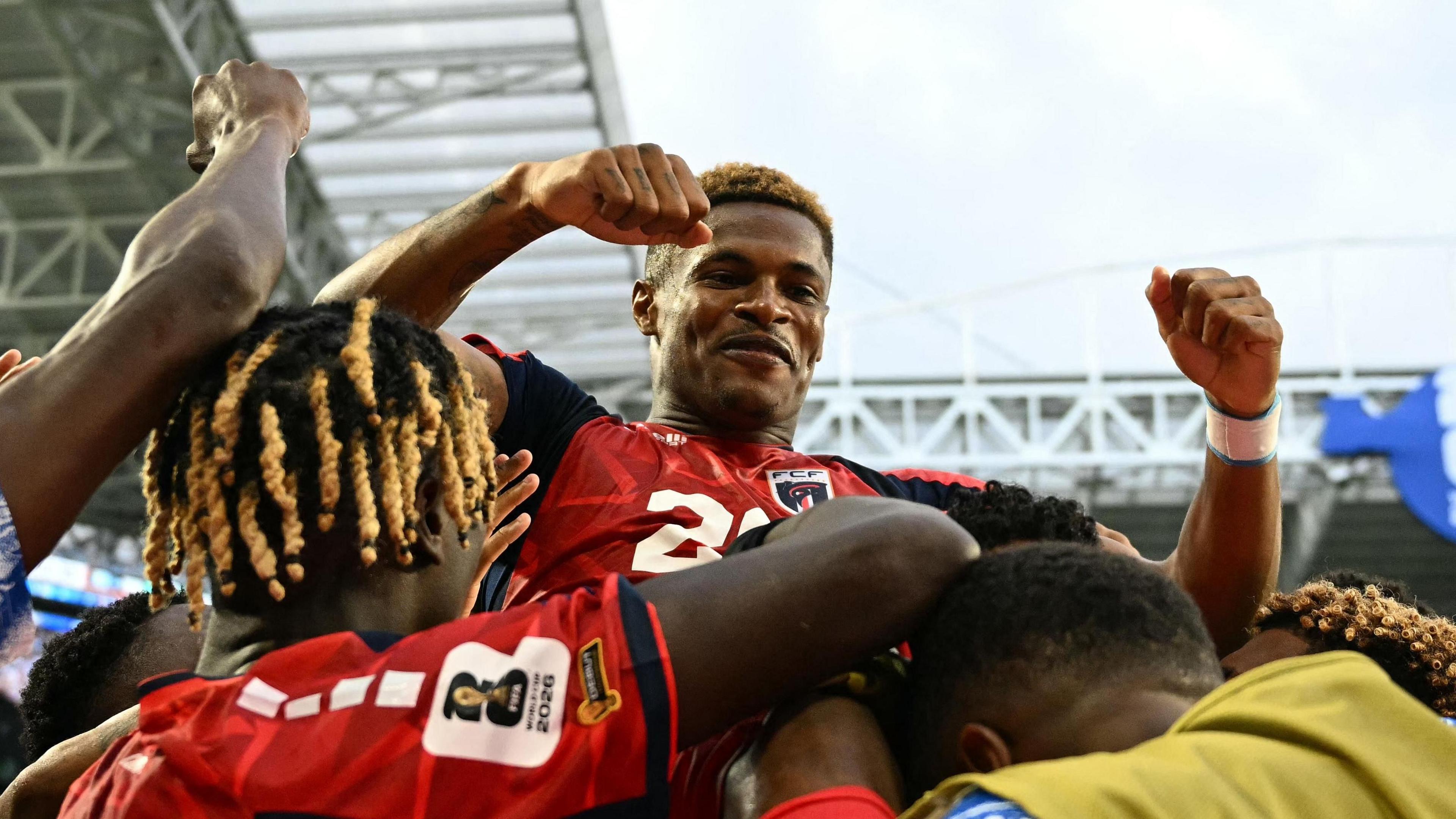
Half a world away, on a BBC News set in London, reporter Paul Njie stood mid-sentence when a scream erupted behind him. Cape Verde had just scored—their first ever World Cup goal—against Uruguay. The fan, draped in blue, leapt to his feet, arms flailing, tears already streaming. Uruguay, two-time champions, had been stunned. Again. Days earlier, the Blue Sharks had drawn with Spain, 65 spots above them in the FIFA rankings. Now, they’d held them to a 2-2 thriller, their confidence unshaken, their spirit infectious.
Meanwhile, in Uzbekistan, history was being made in silence. Abbosbek Fayzullaev tapped in against Colombia—calm, composed—and with it, etched his nation’s name into World Cup lore. It was their first goal at the finals, a moment decades in the making for a country with no prior tournament appearance.
Back in England’s camp, Harry Kane wasn’t just scoring—he was redefining greatness. Two goals against Croatia, including a powerful header just before halftime, brought his World Cup tally to 10, tying Gary Lineker’s long-standing record. "He’s the greatest English striker we’ve ever had," Lineker said, voice thick with pride. Alan Shearer nodded in agreement: "It’s only a matter of time before he breaks your record."
Kane’s brilliance unfolded against a backdrop of global fireworks. Messi had bagged a hat-trick for Argentina. Mbappe lit up France’s win over Senegal with two goals. Haaland, ever the machine, scored twice for Norway. Yet it was Kane’s leadership—on and off the pitch—that drew praise from even those left out of the squad. Harry Maguire called him "one of the best players in the world."
And then there’s Iran. Not with wins, but with quiet defiance. A goalless draw against 10-man Belgium. A previous stalemate with New Zealand. Their campaign, against all odds, remains unbeaten. Coach Amir Ghalenoei spoke not of glory, but of survival. "We were in war conditions for six months," he said. "Our league wasn’t operating. Teams cancelled friendlies. We came to the World Cup in the worst conditions possible."
Based in Mexico, they fly into the U.S. the day of each match and leave the same night, bound by visa restrictions. Yet they’ve held firm. A win over Egypt in Seattle could send them through. But Ghalenoei insists: "The players who came here in this condition need to be congratulated. This is already a great achievement."
Even on the track, the theme holds. At the UK Athletics Championships, Amber Anning blazed to a new record of 50.16 seconds in the women’s 400m, claiming gold as Keely Hodgkinson withdrew in tears. Victory and heartbreak, side by side.
This isn’t just a tournament of giants. It’s a celebration of perseverance—of Cape Verde’s fishermen-turned-heroes, Uzbekistan’s quiet breakthrough, Iran’s wartime resolve, and England’s relentless pursuit of legacy. The World Cup, in 2026, isn’t just about who lifts the trophy. It’s about who gets to say: We were here. We mattered.
And as the lights burn bright across North American stadiums, one truth glows brighter: the beautiful game, at its best, isn’t just about power. It’s about the courage to believe you belong.
Sign in to join the conversation.
Comments (0)
No comments yet. Be the first to share your thoughts.