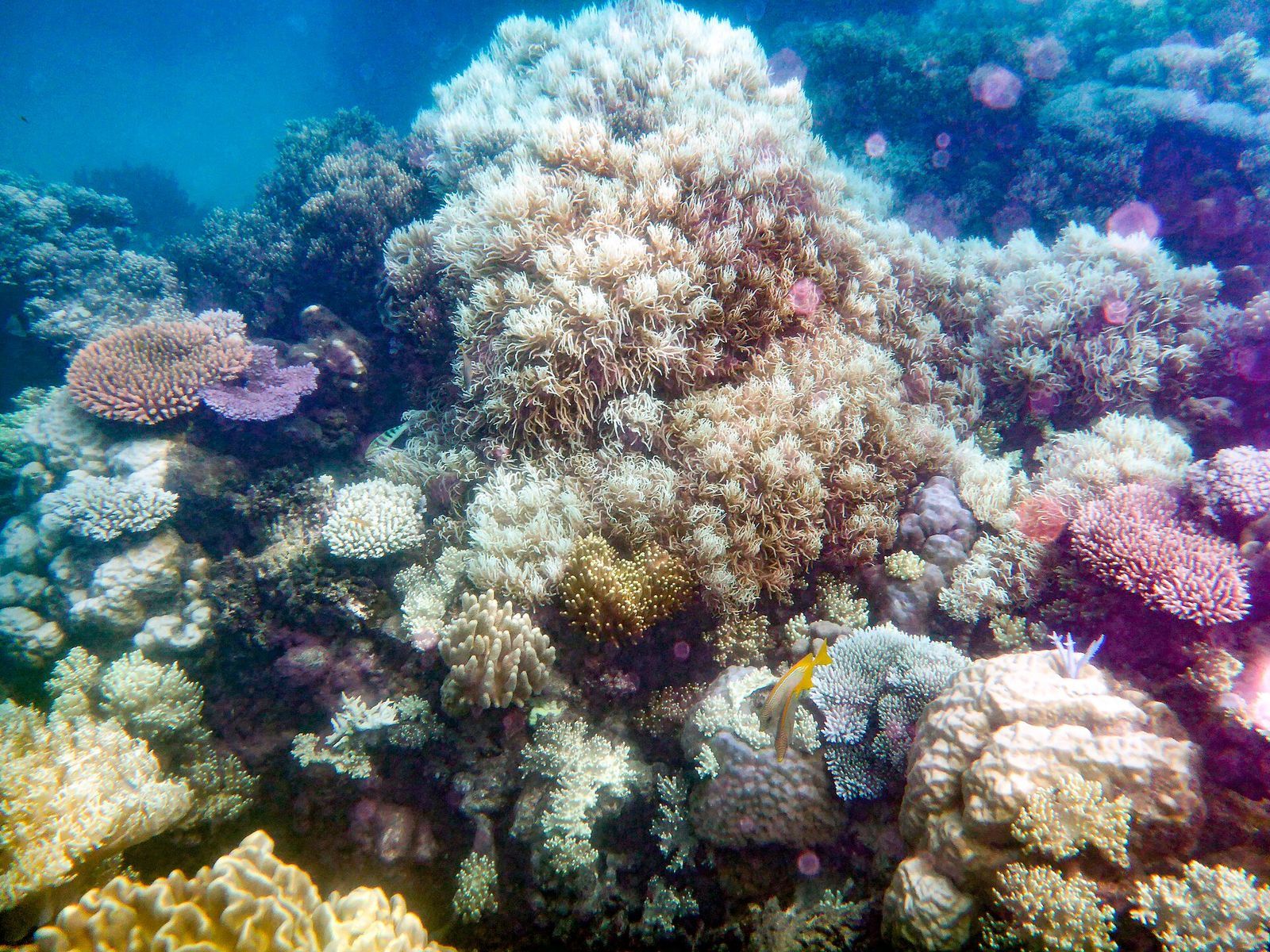
Ben, an observer, sits calmly in a boat off Australia's coast, trailed slowly behind on a rope while a scientist on board counts how much of the seafloor below is covered by living coral. It's a strange but brilliant trick called "manta tow" — and it's how researchers have kept an eye on the Great Barrier Reef for forty years straight. This year, the news from that tow is unexpectedly good: after two brutal years of heat and bleaching, parts of the world's largest reef system are bouncing back.
The 2025 survey from the Australian Institute of Marine Science looked at 121 reefs. On 28% of them, coral cover actually grew, and on 56% it held steady. That might sound modest, but it's a real turnaround from the year before, when losses across the reef's three regions were the worst in recent memory. So why the change? It mostly comes down to the weather during the 2025–2026 southern summer. The north still suffered marine heat and bleaching, but in some areas, rain, clouds and passing weather systems kept the water cooler. Corals there faced far less thermal stress than in earlier heatwaves.
To understand what that means, picture what happens when water gets too warm. The coral ejects the tiny algae living in its tissues — algae that supply much of its energy. The coral turns pale or white, but it doesn't necessarily die. If the water cools down quickly enough, some corals can recover. That's exactly what appears to be happening in the reef's northern and central regions, where hard-coral cover has climbed.
But this is not a story of universal success. In the south, the change was so small it fell within the margin of measurement error. And the reef carries scars from its recent past: the 2024–2025 report found regional declines of roughly 14% to 31% compared with the previous year. The fast-growing Acropora corals, which had fueled earlier gains, were hit especially hard by the heat. Meanwhile, other pressures grind on — cyclones, heavy freshwater runoff, and a new outbreak of crown-of-thorns starfish, which eat coral, spotted in the north)Skip this if you want a clean flow: these disturbances can pile up on the same stretch of reef one after another, shrinking the window for recovery.
The big question for the next survey is whether these gains can survive the hot summers still to come. That's exactly why forty years of continuous monitoring matter: it lets scientists tell a temporary blip from a lasting trend. With bleaching events now arriving closer together, the time between one disturbance and the next may be the reef's most precious resource of all.