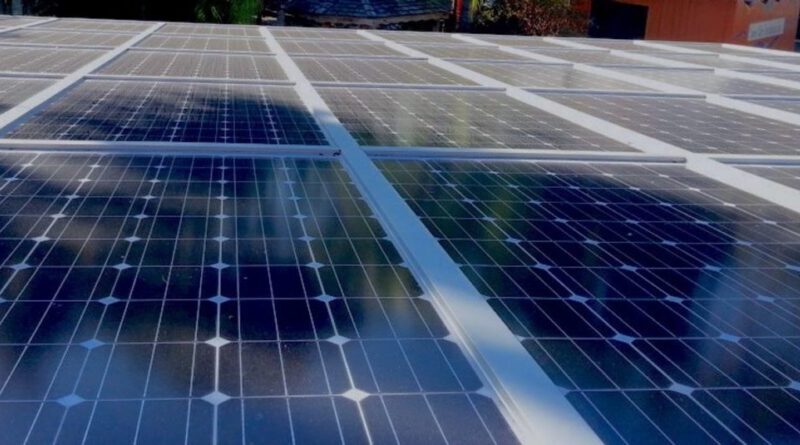
In Brockton, Massachusetts, a treatment center that helps people struggling with addiction and mental health just got a huge boost for its roof. High Point Treatment Center received the largest of 10 new solar grants — $500,000 to install 220 kilowatts of solar panels. That amount of power could light up dozens of homes. For High Point, it means roughly $95,600 less spent on electricity every year.
The money comes from the Massachusetts Department of Energy Resources, which announced $2.4 million in grants to nonprofits across the state. This is the third round of funding from the department's Low-Income Services Solar Program, designed to help organizations that serve people in need shift to cleaner, cheaper energy.
The 10 nonprofits will install a combined 612 kilowatts of rooftop solar power. That's enough to significantly cut — or even eliminate — their electricity bills. The grants will reduce their energy costs by 70 to 100 percent, saving all 10 organizations together nearly $275,000 per year, according to Energy Resources Commissioner Elizabeth Mahony.
"Together, these organizations will pay almost $275,000 less in electricity costs each year, providing more financial resources for their important missions," Mahony said. She noted the program also benefits surrounding communities through cleaner air and better public health.
The grants went to a wide range of groups doing community work. In Boston, Allston Brighton CDC received $240,600 for a 70-kilowatt system that will cut its annual electricity costs by $25,000; that organization works on affordable housing. Catholic Charities in Fall River got $234,100 to install solar panels that will save $27,200 yearly while the organization provides essential services to people in need. Charles River Center in Needham, which supports people with intellectual and developmental disabilities, received $241,300 and will save about $15,200 per year.
Several grants went to food-focused nonprofits. The Open Door Food Pantry in Gloucester received $361,200 for a 96-kilowatt system that will save $36,800 annually while serving 11 communities. Open Table in Maynard, which runs mobile food pantries, got $179,400 and will save $8,300 per year. Union Congregational Church in East Bridgewater received $137,400 for a 20-kilowatt system that will cover 100 percent of its electricity needs and save $37,000 per year, with the church running one of two food pantries in town.
Other recipients included Community Action Somerville, the Council of Social Concern in Woburn, and the Marion Institute, which works on local food systems.
With electricity costs dropping, these organizations can now put more money toward their core missions — whether that's fighting hunger, providing housing, or supporting mental health. The shift also means cleaner energy for Massachusetts and cleaner air for the communities these groups serve.