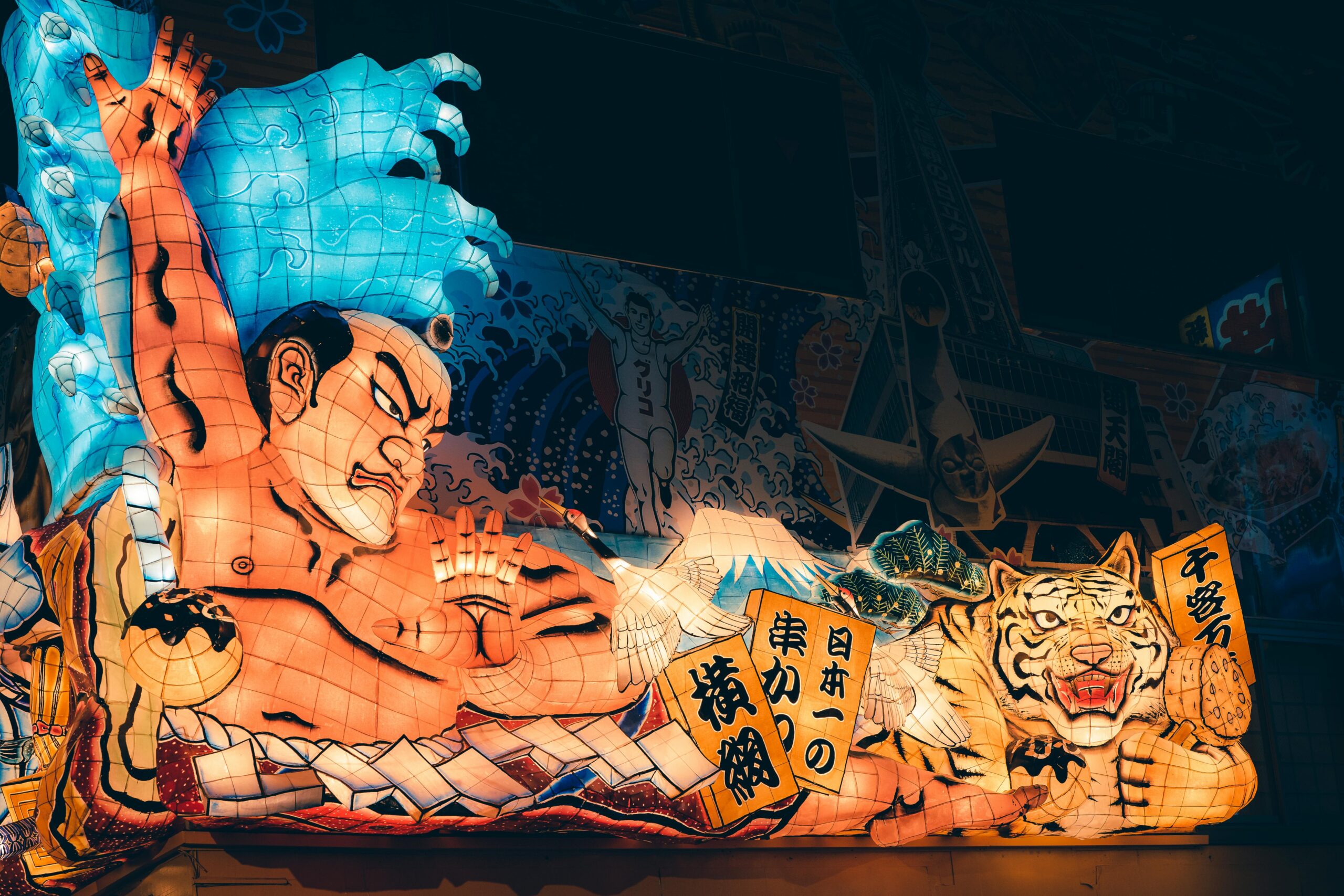
Across the globe, summer awakens something primal in human celebration—a collective impulse to mark the season's warmth and abundance with joy, ritual, and community. From ancient solstice ceremonies to modern flower festivals, cultures have spent centuries channeling the longest days of the year into moments that feel both sacred and deeply alive.
In Sweden, the summer solstice brings villagers together to raise a flower-clad maypole, a tradition rooted in medieval beliefs that the solstice itself possessed magical healing powers. That same day, in the Andes mountains of Peru, carefully chosen actors portraying the Sun King and his wife process through the city of Cuzco toward the temple of Sacsayhuamán, where they perform rituals honoring Mother Earth in a reenactment of Inti Raymi—once the most important holiday of the Inca Empire and now Peru's second largest festival after La Fiesta Candelaria.
Meanwhile, in Laos, the three-day Bun Bang Fai festival marks the arrival of the wet season with music, dancing, and parades culminating in competitions where homemade rockets are judged not only on height and distance but on the sheer beauty of their vapor trails. In Japan, the Aomori Nebuta Matsuri Festival transforms city streets in early August with enormous, intricately decorated lantern floats depicting historical figures and kabuki characters, paraded to "wake up" sleepy souls before the fall harvest begins.
Across Africa, in Ghana's Greater Accra Region, the Ga people observe Homowo—a festival whose name means "to hoot and jeer at hunger," born from an ancient legend about surviving devastating famine. The celebration involves chanting, marching, and a distinctive silent feast, based on the belief that noise disturbs the gods. In Italy, the week following Corpus Domini sees entire towns participate in Infiorata, the Festival of Flowers, where locals meticulously craft elaborate flower carpets depicting religious imagery and ornamental patterns to decorate the streets where the Blessed Sacrament will be carried in procession.
Perhaps most mysteriously, visitors to Stonehenge in England gather at the summer solstice to witness a phenomenon that has captivated people for over 5,000 years: the sunrise aligns perfectly with the ancient structure, casting the shadow of the Heel Stone directly through its main entrance while the outer Sarsen Circle frames the sun itself. We may never know why Stonehenge was built, but the precision of its solar alignment suggests that marking summer's cosmic moment has always mattered to the human heart.
What unites these celebrations across continents and centuries is simple: they recognize summer not as a season to endure, but as a time of connection—to the earth, to tradition, and to one another. Whether through flowers, fire, ritual, or stone, summer festivals remind us that joy and meaning flourish when communities gather to honor the abundant season.