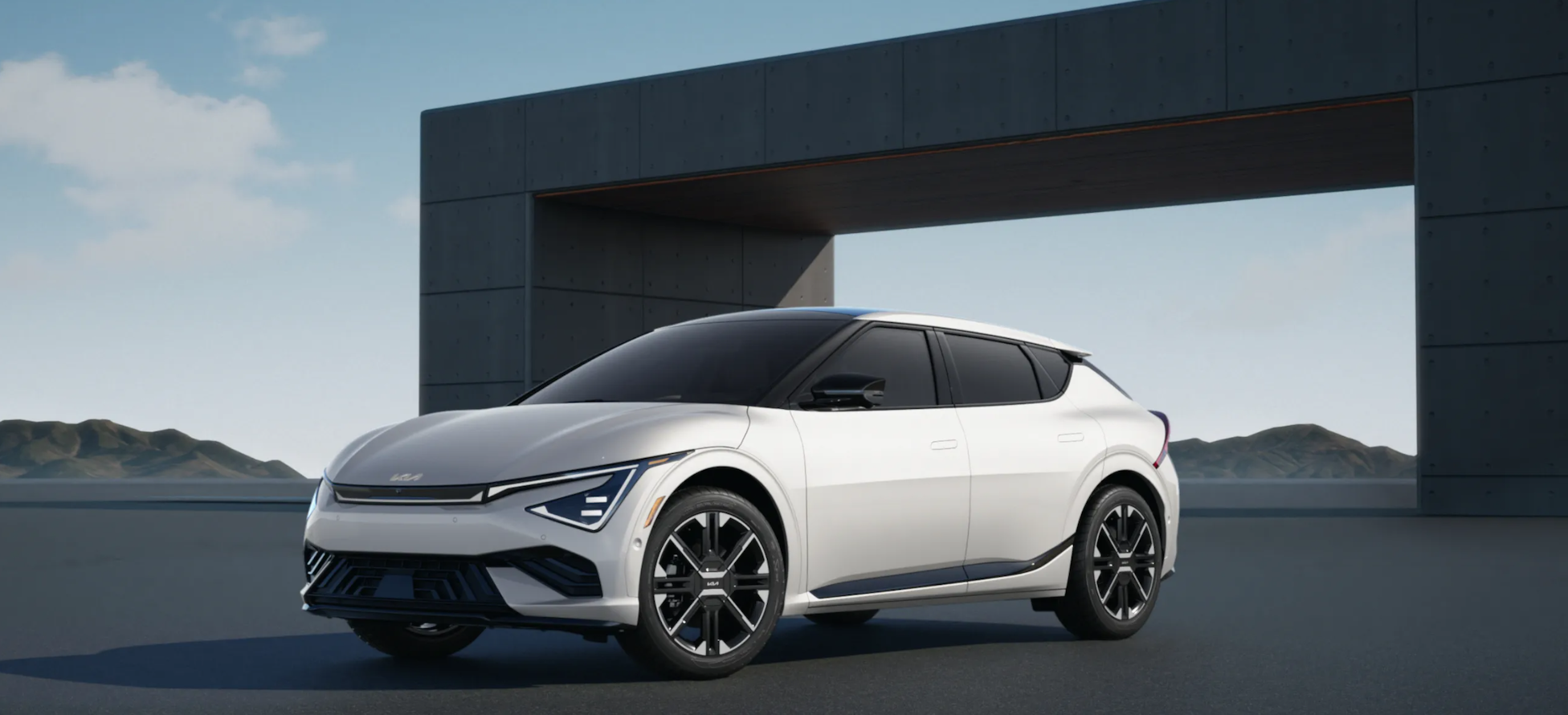
At 10,000 miles, the Kia EV6 costs $205 to energize while a Toyota RAV4 Hybrid demands $1,052 in fuel—a gap so stark it demands explanation. The difference matters not just for individual wallets, but for what it reveals about the speed at which electric vehicles are becoming the economically rational choice, not just the environmentally conscious one.
The comparison uses real-world assumptions: $4.42 per gallon of gasoline (Florida's average at the time of analysis), $0.07 per kilowatt-hour for overnight charging (typical residential rates), and EPA-certified efficiency figures. The RAV4 Hybrid delivers 42 miles per gallon, while the EV6 RWD trims achieve 3.4 miles per kilowatt-hour. Both are vehicles in the same general category—crossovers with comparable passenger volumes—making the cost disparity particularly instructive.
That $846 difference at 10,000 miles compounds dramatically over time. For drivers covering 15,000 miles annually (closer to the U.S. average), the EV6 costs $308 to energize while the RAV4 Hybrid costs $1,578 to fuel, creating a $1,269 annual savings. Stretch this across a decade and the numbers become almost difficult to comprehend: $8,460 in cumulative savings at 10,000 miles per year, or $12,690 at 15,000 miles per year. Those are not marginal improvements—they represent a fundamental shift in the economics of vehicle ownership.
The comparison assumes stable energy and fuel prices across that ten-year window, an assumption that grows hazier the further into the future one looks. Electricity prices could rise; gas prices could fall. But the structural advantage of EVs remains: the cost of electricity per mile is simply a fraction of the cost of gasoline per mile. Battery technology continues improving, which could enhance charging efficiency. Conversely, gas prices have historically been volatile, adding unpredictability to long-term fuel budgets.
What makes this analysis particularly relevant now is the recent price cuts on the EV6 itself. As Kia compresses the upfront sticker price—traditionally the biggest barrier to EV adoption—the payback period shrinks. An EV that was expensive to buy but cheap to operate becomes merely a wise financial decision, not a sacrifice for the environmentally committed.
The vehicles themselves offer different trade-offs worth acknowledging. The RAV4 is significantly taller with more cargo space, appealing to those who prioritize hauling capacity. The EV6 counters with four additional cubic feet of passenger volume and notably more legroom, plus the intangible benefits of quieter, more responsive driving. Neither is objectively better—they serve different priorities. But for drivers whose cargo and passenger needs land in the overlap between these vehicles, the $8,400-plus savings over a decade becomes genuinely difficult to ignore.
The broader significance lies in economics finally catching up to environmental argument. Climate advocates have long urged switching to EVs on principle; now the spreadsheet itself makes the case. As more EV models arrive and battery costs continue their downward march, this pattern will only accelerate. The question facing drivers isn't whether EVs will eventually dominate—it's whether to get ahead of the curve now or watch the transition happen around you.