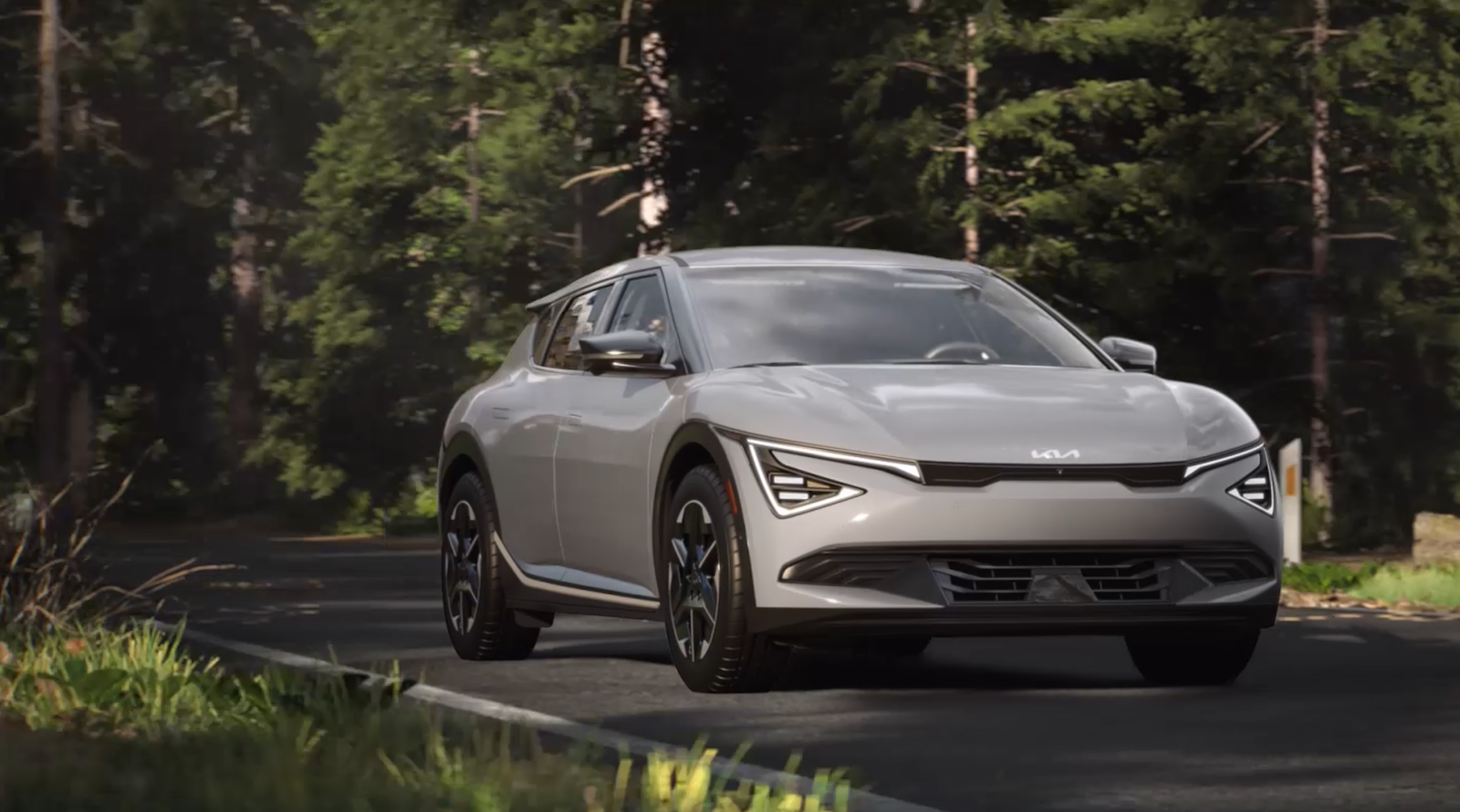
When you park a Kia EV6 and a Toyota C-HR side by side, they look almost like siblings: nearly identical starting prices (around $37,000–$37,900), comparable dimensions, and both designed for families who need reliability and space. But the moment you step on the accelerator, their true difference emerges — not in horsepower, but in what it costs to keep moving.
The numbers are striking. Over the course of a year, fueling a Toyota C-HR costs $1,523, while energizing a Kia EV6 costs just $205. That's a gap of $1,318 annually, based on average driving conditions in Florida with current electricity rates of $0.07 per kilowatt-hour and gas at $4.42 a gallon. For those who drive more — at the national average of 15,000 miles annually — the savings widen even further: a C-HR costs $2,286 to fuel against $308 for the EV6.
This comparison matters because it shatters a lingering myth: electric vehicles are luxury goods only for the wealthy. The EV6 and C-HR start at essentially the same price. The difference is where your money goes after you drive off the lot.
The math is straightforward. The EPA rates the C-HR at 29 miles per gallon; the EV6 RWD trims deliver 3.4 miles per kilowatt-hour of stored energy. Electricity is cheaper than gasoline by a factor of roughly seven. Even accounting for regional variations in energy costs and fuel prices, that advantage persists across the country. In states with cheaper electricity, EV owners save even more.
But the real story unfolds over time. Stretch those annual savings across a decade, and the numbers become transformative: between $13,180 and $19,770 in fuel costs avoided, depending on whether you drive 10,000 or 15,000 miles per year. That's not a luxury — that's a fundamental shift in household economics for working families.
The EV6 also holds its own on practical grounds. It's longer and wider than the C-HR, offers significantly more passenger volume, and delivers superior legroom. The C-HR has a slight edge in trunk space, but for most families, the EV6's interior feels roomier. And the EV6 isn't alone: compared to the popular Toyota RAV4 Hybrid — which achieves an impressive 42 miles per gallon — the EV6 still saves drivers $846 to $1,269 annually, accumulating to $8,460–$12,690 over ten years.
What makes this comparison particularly resonant is the timing. Kia recently slashed EV6 pricing, bringing electric driving closer to everyday affordability. These aren't hypothetical savings for early adopters anymore; they're available to ordinary car shoppers making their next purchase decision at a dealership or online.
Of course, real-world variables matter. Electricity rates vary by region and time of day. Gas prices fluctuate. Individual driving patterns differ. Someone in Kentucky with cheap coal power and someone in California with expensive solar-derived rates will see different results. But across virtually every reasonable scenario, the EV comes out ahead — sometimes dramatically so.
The C-HR remains a solid vehicle. But for families asking themselves how to stretch a tight budget further, the choice is becoming clearer: the car that costs nearly nothing to energize versus the one that demands over $1,500 a year in fuel. Over a decade, that's the difference between paying for a used car and paying for electricity.