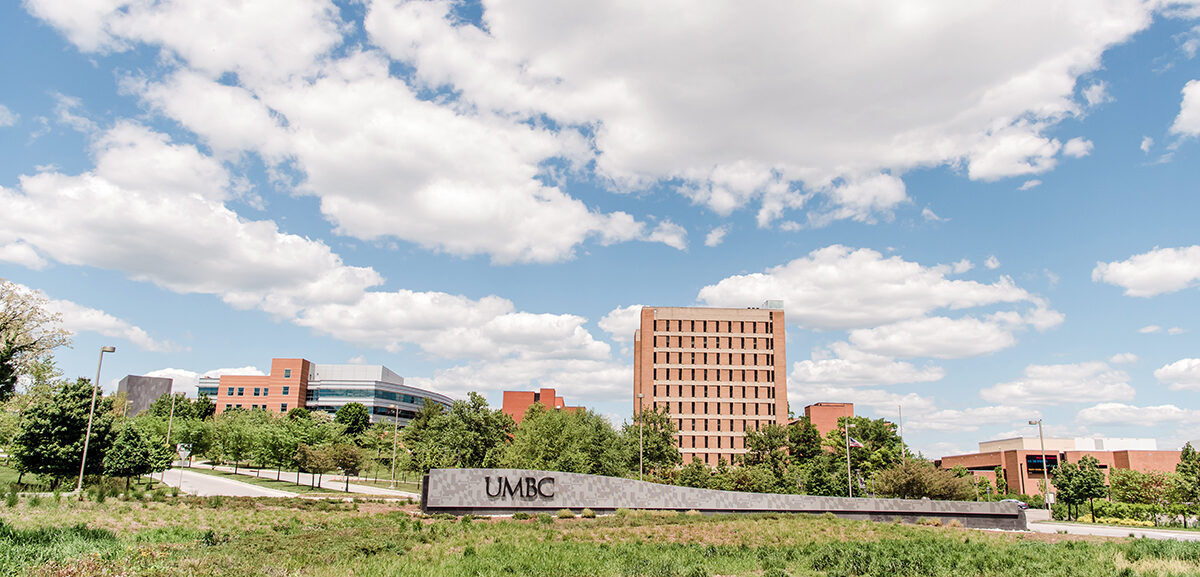
In a classroom without bars, 2026 incarcerated students could soon begin earning college credit through a new program being shaped at UMBC. The university has received a $64,000 grant from the University System of Maryland to design a prison education program at the Central Maryland Correctional Facility in Sykesville—part of a broader push to bring higher learning behind prison walls.
This isn’t just about second chances. Research shows that access to higher education in prison reduces recidivism by up to 43% and increases post-release employment. Now, UMBC is working to ensure that incarcerated students aren’t left behind. Led by Eric Ford of the Shriver Center and Allison Jones from extended studies, the project will spend the next year planning every detail—from curriculum to partnerships—needed to launch a sustainable program.
The proposed coursework could include high-demand fields like data science, artificial intelligence, and project management. These are skills that open doors in today’s job market. UMBC is also exploring a pathway with Carroll Community College so students can work toward an associate degree. The goal is not only education but real workforce readiness.
The planning process includes listening sessions with people directly affected by incarceration, including returning citizens and community organizations. Their voices will help shape a program that truly meets student needs. Faculty roles, teaching models, and state approvals are all part of the yearlong roadmap, which runs from fall 2026 to summer 2027.
This effort builds on decades of community engagement by the Shriver Center, founded in 1993 by Sargent and Eunice Kennedy Shriver. It also connects with UMBC’s Institute of Extended Learning, which already serves learners of all ages and backgrounds—from middle schoolers to working adults. Now, they’re extending that mission deeper into the community.
Across Maryland, nine universities are sharing $400,000 in grants to expand prison education. UMBC’s portion may be modest, but its vision is bold: to redefine who higher education is for. If successful, this program could become a model for inclusive learning, one that values potential over past mistakes. For 2026 students, it might just be the beginning of a new chapter.