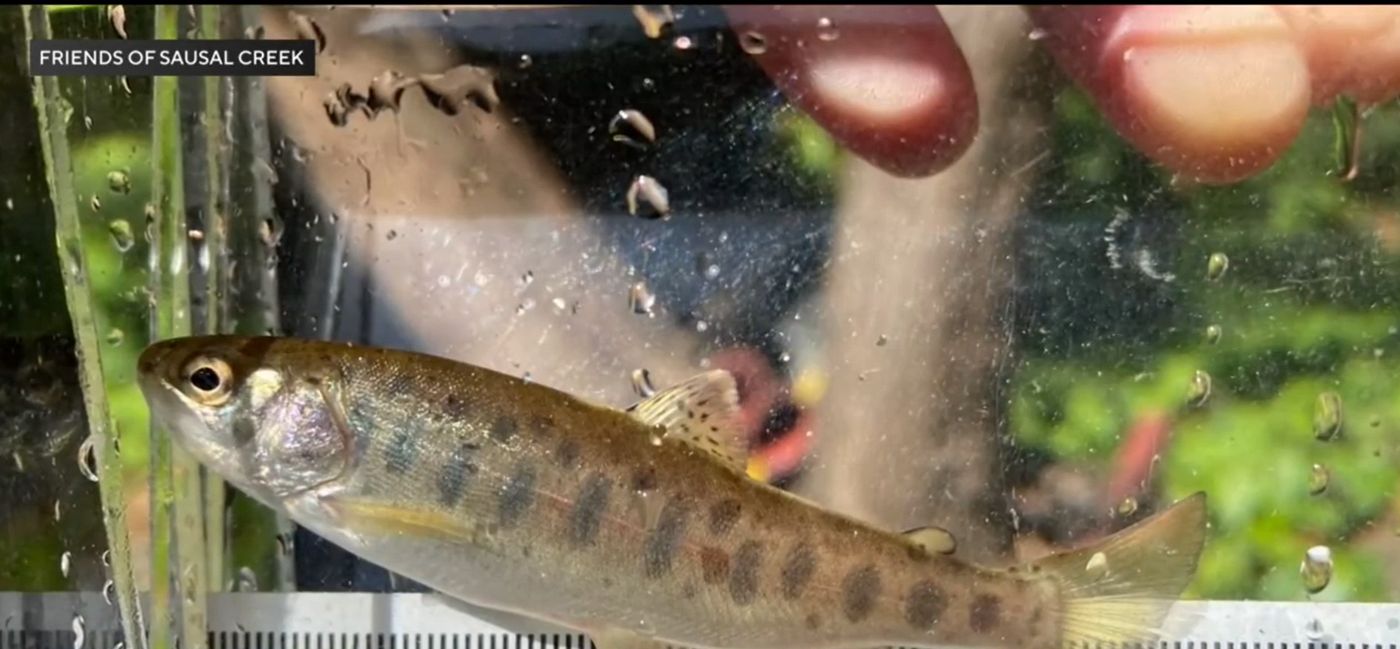
Michael Thilgen and his neighbors stood at the banks of Sausal Creek three decades ago and made a decision that would reshape an entire Oakland watershed. Three miles of waterway that most people drove past without a second thought—dumping grounds, eroded banks, choked with invasive species—became their mission. Today, three decades later, that 3-mile creek is one of the only urban waterways in California hosting a wild population of rainbow trout and sheltering pallid manzanita, a federally endangered plant that clings to life in this one precious corner of the Bay Area.
The story of Sausal Creek matters because it shows what sustained, unglamorous volunteer work can accomplish. In 1994, Michael Thilgen and his neighbors created the Friends of Sausal Creek, a nonprofit dedicated to restoring the waterway from its source in the Oakland Hills down to the San Francisco Bay. For 30 years, this grassroots organization has done the slow, steady work that makes ecosystems heal: de-weeding trails, clearing invasive vegetation, planting native species, monitoring fish and wildlife health. As volunteer and board member Kristy Brady told CBS News, the work is methodical and necessary: "Is the water clear? Does it look like something's been dumped? We monitor fish quality and so forth, making sure it stays healthy so everyone can enjoy it."
The scale of their effort is visible in the numbers. Friends of Sausal Creek operates a native plant nursery and organizes seed-collecting hikes to ensure a long-term supply of materials. They've introduced tens of thousands of native plants back into the creek and its surrounding habitat. But the most ambitious restoration work has happened at Fern Ravine, a tributary area where second-growth coastal redwood forest meets Oakland's backyard. Since 2010, the organization has been methodically undoing a century of damage.
When Oakland designated Fern Ravine a public park in 1920, the decision opened the door to decades of ecological harm. Heavy foot traffic—both on trails and off them—stripped away ground cover plants, which dried out the soil, accelerated erosion, and welcomed invasive species that outcompeted native vegetation. Dr. Robert Leidy, a board member, captured the deeper significance in the organization's documents: "Oakland's ancient redwoods are as unique and valuable as the old-growth redwood forests in California's state and national parks. Their ability to recover from centuries of abuse with proper management is a remarkable testament to their resilience."
Today, through the nonprofit's tireless weeding and planting work, Friends of Sausal Creek has achieved what the organization describes as "extraordinary progress" at Fern Ravine. The forest is healing. Native plants are returning. The soil is stabilizing. And downstream, wild trout are thriving in water that is clear and clean.
What makes this story instructive is that it required no grand infrastructure project, no marquee names or celebrity endorsements. It required people like Michael Thilgen showing up, year after year, to do the work that restores the living world. Three decades on, with two generations of volunteers now stewarding Sausal Creek, the waterway has become what it may not have been in living memory: a thriving Eden of native species, proof that an urban creek can recover when a community refuses to look away.