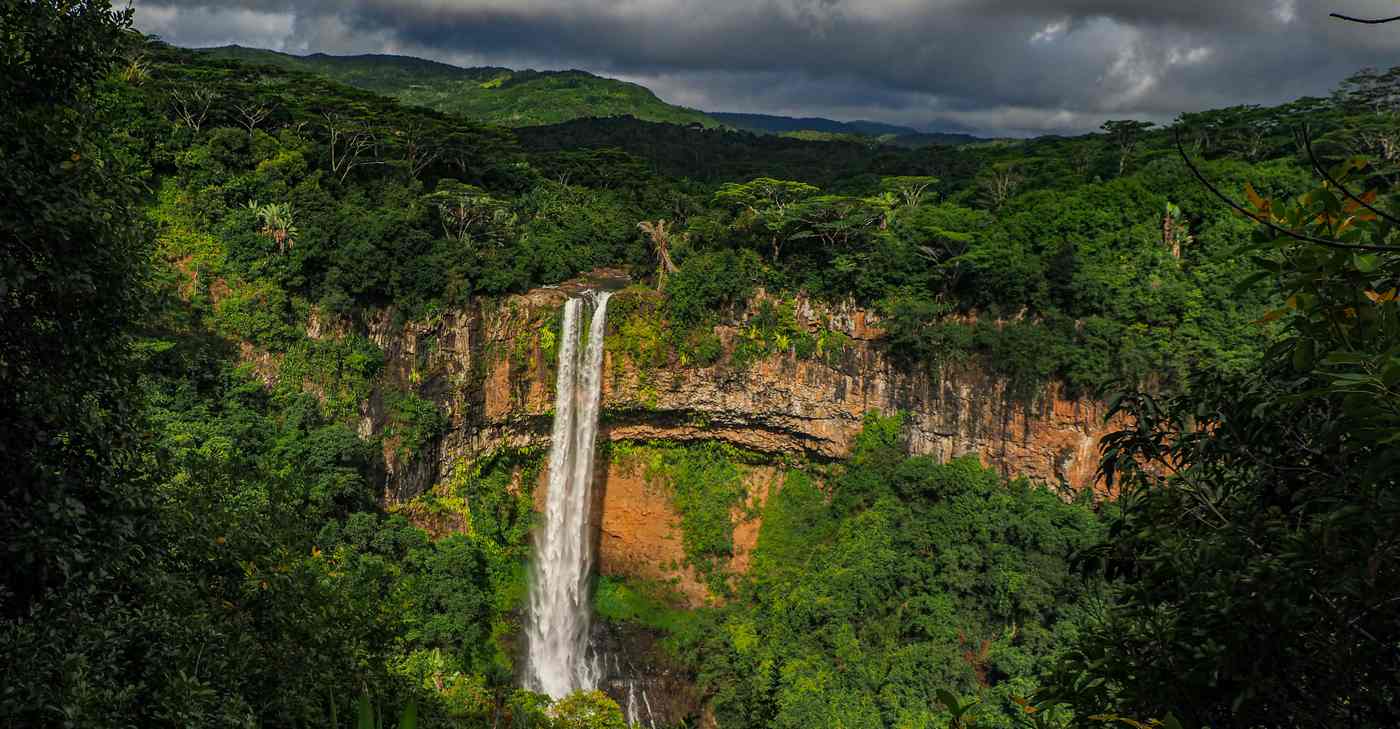
Deep in the heart of South America, where giant granite peaks rise like ancient sentinels from intact rainforest, France has just carved out one of the largest new protected areas in the world. The Rocky Peaks of Armontabo reserve encompasses 370,000 acres of French Guiana — a territory so biologically rich that it holds one of the highest forest-integrity index scores of any place on Earth.
The announcement comes as part of France's ambitious wildlands protection law, which aims to shield 10 percent of the country's territory by 2030. With this single declaration, the Armontabo reserve brings France remarkably close to that goal — and nearly fulfills a target of 180,000 additional hectares of protection specifically for French Guiana.
"In concrete terms, this translates into less pressure on natural environments and stronger protection for species and habitats," said Monique Barbut, France's minister for ecological transition, biodiversity, and international climate and nature negotiations.
The peaks themselves are part of a geological marvel called the Guiana Shield, a vast highland region stretching across Venezuela, Brazil, Colombia, and the Guianas that scientists recognize as one of the most biodiverse places on the planet. Within this landscape, French Guiana harbors over one thousand tree species, with 41 percent of its territory covered by the Amazon Rainforest alone. The territory is also home to Guiana Amazon National Park — technically the largest national park in "Europe" since French Guiana is an overseas department — and one of the largest protected rainforest areas on Earth.
The wildlife roaming these ancient forests reads like a who's-who of Amazonian treasures: more than 700 bird species, over 100 amphibian species, plus lowland tapirs, jaguars, giant river otters, and eight different primates.
French Guiana is far from alone in this conservation push. Across the border, the small nation of Suriname — 90 percent forested — announced protections for 25 million acres last year. "This sets a new standard for the Amazonian region as a whole," said Russell Mittermeier, chief conservation officer at Re:wild, who has worked in Suriname for 50 years. "This has suffered from serious deforestation in recent decades, and now we have a nation that has committed to maintaining its forest cover."
Together, these protected lands are turning the northeastern corner of South America into one of the most safeguarded regions on the planet — a verdant refuge where granite towers pierce the canopy and the lungs of the Earth keep breathing.