When Adriana Cortez, a 52-year-old librarian in Oakland, began incorporating a handful of dried figs and a daily apple with skin into her meals, she wasn’t chasing a miracle—just better habits. She’s part of a quiet shift backed by science: everyday fruits, long cherished for their sweetness and fiber, are now emerging as quiet allies in reducing breast cancer risk. Research shows that high fruit intake is linked to a 7% lower risk of breast cancer, thanks to an orchestra of phytonutrients like polyphenols, anthocyanins, and quercetin. While no single food can prevent cancer, the cumulative evidence for apples, berries, cherries, and dried fruits—especially figs—is compelling and consistent.
The power lies in the plant compounds. Apples, often underestimated, are among the most polyphenol-rich fruits available. Quercetin, concentrated in their flesh and especially their skins, has been shown in lab studies to interfere with cancer cell growth and tumor spread. Triterpenoids in apple peels have even triggered cell death in triple-negative breast cancer cells in animal models—making the case for never peeling another apple. Berries, bursting with anthocyanins and flavonoids, show broad protective potential. Delphinidin, an anthocyanin in blueberries and blackberries, not only inhibited tumor growth in preclinical studies but also reactivated immune responses against aggressive cancer cells. And frozen berries retain the same antioxidant richness as fresh, making them a practical, year-round choice.
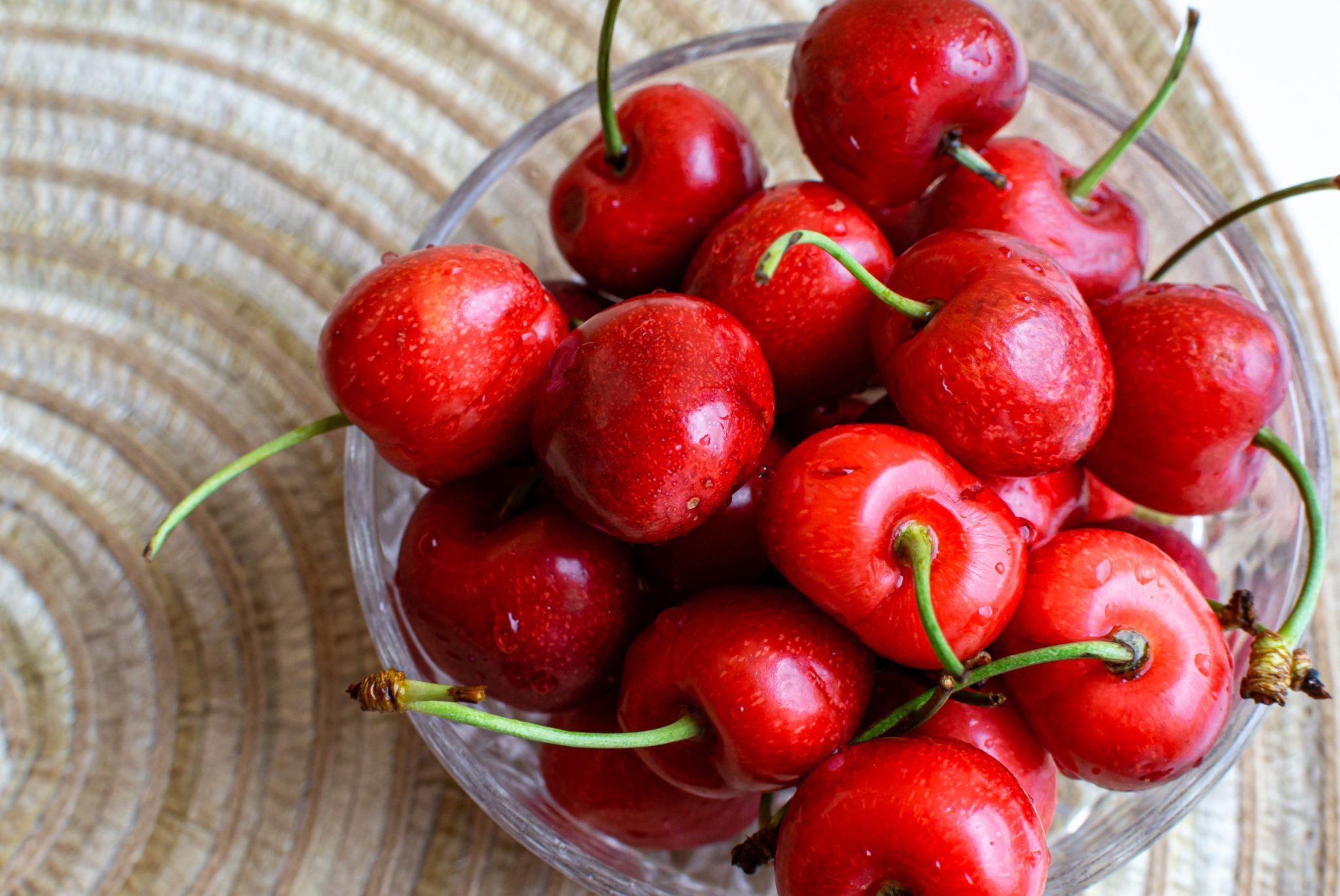
Cherries are stepping into the spotlight, particularly for their potential against triple-negative breast cancer. In a recent animal study, anthocyanins from dark sweet cherries slowed tumor growth and, when paired with chemotherapy, helped maintain body weight—a rare supportive effect not seen with the drug alone. Meanwhile, dried fruits like raisins, dates, and prunes are proving far more nutritious than their sugar-heavy reputation suggests. Drying concentrates fiber and phytonutrients, and multiple studies link higher intake to reduced breast cancer risk. Figs, in particular, stand out: rich in polyphenols and flavonoids, fig extracts have shown early promise in laboratory research for reducing cancer cell activity.
Still, experts like oncology dietitian Natalie Ledesma at UC San Francisco and breast cancer specialist Dr. Wendy Y. Chen at Dana-Farber emphasize that patterns matter more than any single superfood. Whole fruits—not juices—are key, and they’re just one piece of a broader strategy that includes limiting alcohol, staying active, and choosing plant-based proteins over red or processed meats. As Chen’s own research shows, swapping just one daily serving of meat for beans or fish is tied to a 16% lower risk. The message isn’t perfection—it’s progress, one apple, berry, or fig at a time.