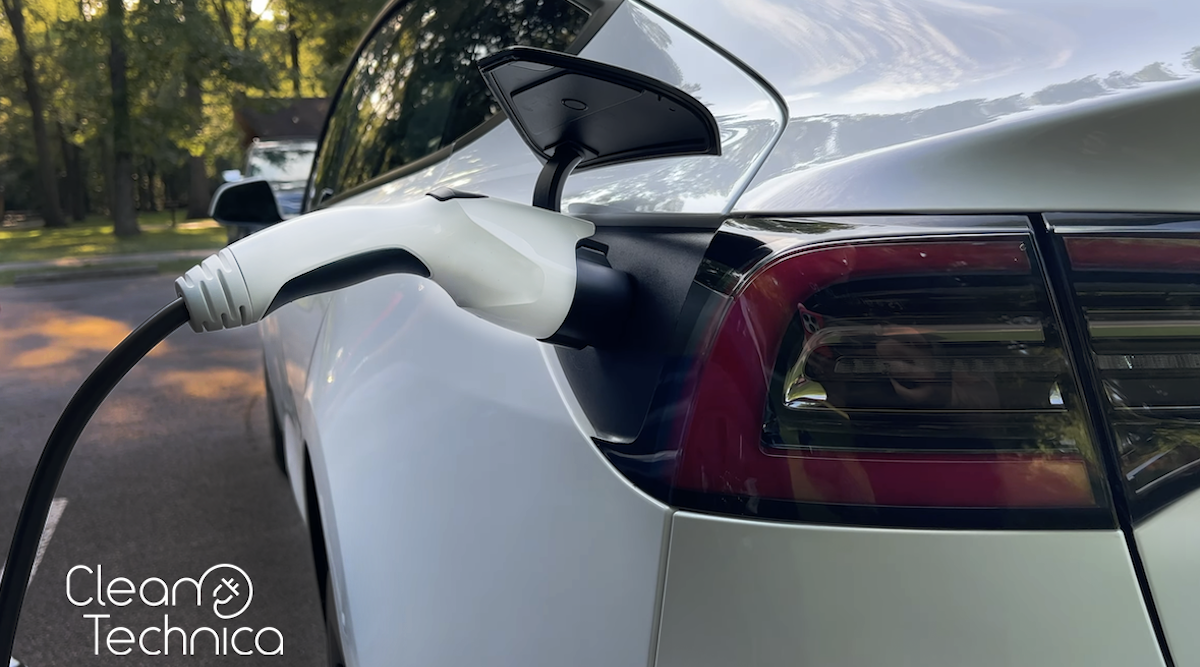
Philadelphia is about to become a much easier place to own an electric car. The city has announced a major partnership with PositivEnergy to install 435 new public EV chargers across neighborhoods throughout the city—a significant expansion that reflects growing momentum to make electric vehicle infrastructure accessible to everyone who needs it.
This expansion matters because charging anxiety remains one of the biggest barriers keeping people from switching to electric vehicles. When public chargers are sparse or unreliable, drivers hesitate to make the leap from gas engines to electric power. But as cities like Philadelphia build out their networks, that hesitation fades. Anna Kelly, Senior Policy Advisor for EV and Parking in Philadelphia's Office of Transportation and Infrastructure Systems, spoke to this directly: "Philadelphia's goal is to make EV charging more accessible, reliable, and equitable for residents in neighborhoods across the city. We are grateful to our partners at PositivEnergy for sharing this vision, and for bringing their expertise to the implementation and deployment of our EV network."
The timing is noteworthy. Despite political headwinds at the federal level—including attempts to block funding for public EV charging infrastructure—the expansion of chargers continues across America. Fast chargers are sprouting up in states nationwide, and the private sector has jumped in too, with retailers from Walmart to convenience stores to shopping centers installing chargers for customers. This Philadelphia project is part of that broader wave.
The city has particular reason to pursue this aggressively. Philadelphia struggles with harmful air pollution that threatens public health. Elizabeth Hensil, Director of Advocacy in Pennsylvania for the American Lung Association, has warned that the air pollutants widespread in the region pose serious risks: "Both ozone and particle pollution can lead to premature death and cause serious health issues such as asthma attacks, heart attacks, strokes, preterm births, and even problems with cognitive function later in life. Particle pollution can also increase the risk of lung cancer." Gas and diesel vehicles are a major source of that pollution. Electric vehicles, by contrast, can run entirely on clean renewable energy—solar, wind, hydropower, geothermal—leaving no emissions at the tailpipe.
For drivers who go further and pair their electric vehicle with home solar panels, batteries, and heat pumps, the vision becomes even more compelling: never visiting a gas station again. The electricity to power their cars comes from their own roof, generated cleanly and stored locally. It's a model that works particularly well in a dense city like Philadelphia where residents and businesses can install solar systems and participate in grid services.
PositivEnergy, which specializes in EV charging infrastructure and fleet electrification solutions, will handle the implementation and deployment work. The 435 chargers represent a concrete step toward the equitable, neighborhood-by-neighborhood approach Philadelphia is pursuing—ensuring that EV charging isn't just available downtown or in wealthy areas, but accessible across the entire city.
As more chargers go live, more residents will have the confidence to make the switch. That shift—from gas engines to electric power, from urban air pollution to clean renewable energy—compounds over time, making cities healthier and more sustainable with each installation.