When the sun hangs high over Sacramento and thermometers flirt with 100°F, registered dietitian Alison Swiggard finds herself reaching not for plain water, but for a tall glass of mango-coconut smoothie. She’s not alone—dietitians across the country are redefining summer hydration with drinks that do more than just wet your whistle. As heat waves intensify and outdoor activity surges, staying properly hydrated isn’t just about comfort; it’s about maintaining electrolyte balance, supporting muscle function, and replacing what sweat takes away. And sometimes, that means trading in the water bottle for something more flavorful—yet still science-backed.
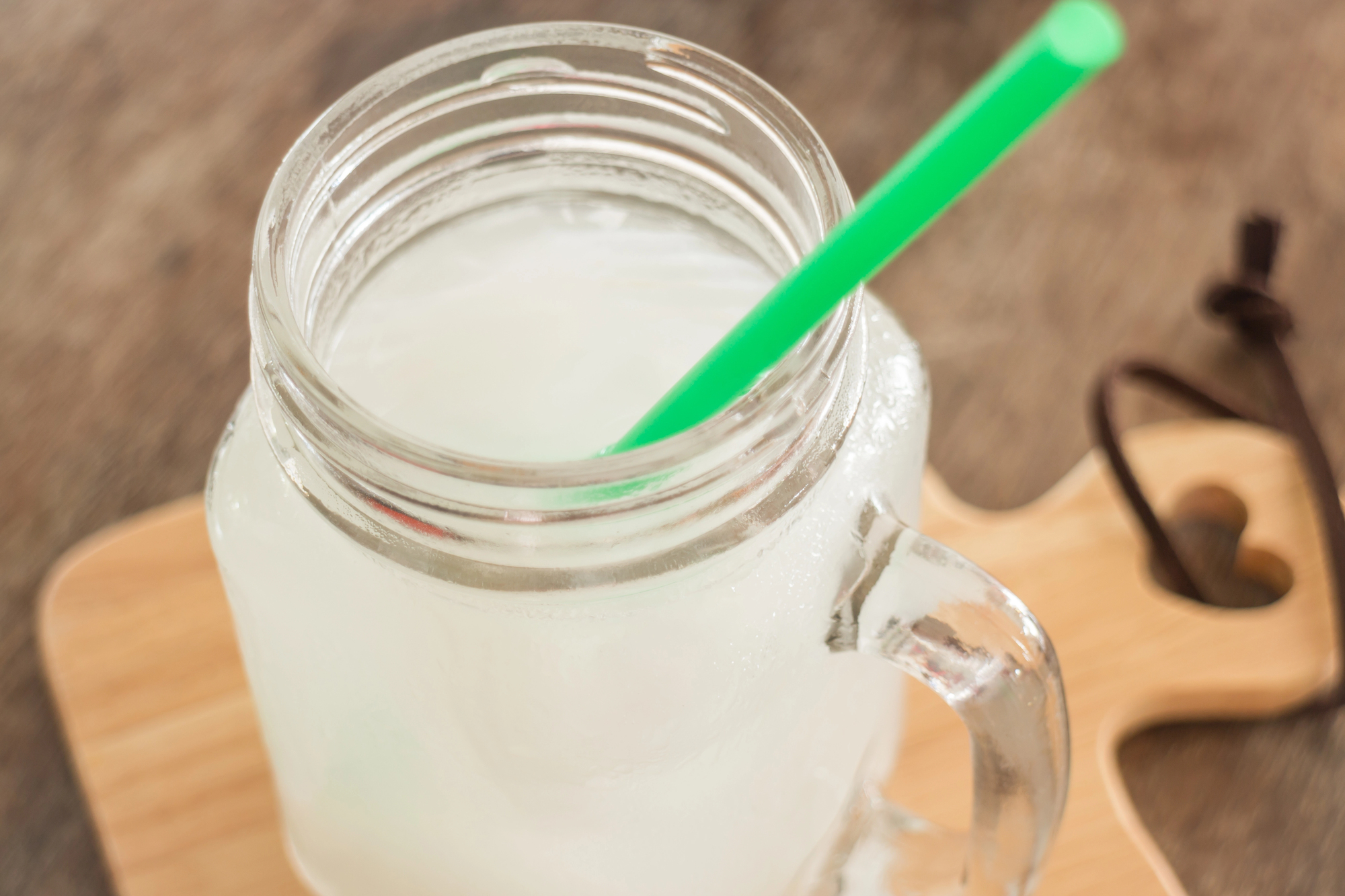
Coconut water leads the pack. With nearly 600 milligrams of potassium in every 8-ounce serving—about 15% of your daily needs—it’s nature’s original electrolyte drink. Marissa Karp, founder of MPM Nutrition, swears by it after long afternoons gardening or hiking. But she doesn’t stop there: a splash of sparkling water, a squeeze of lime, and a pinch of sea salt turn it into a custom electrolyte refresher that outshines store-bought sports drinks. That same principle powers her homemade sports drink—orange juice blended with water or coconut water and a dash of salt—where natural sugars and sodium work together to boost fluid absorption in the gut.
Smoothies, often seen as meal replacements, are emerging as stealth hydration heroes. “The glucose helps support fluid absorption in the small intestine,” Swiggard explains, pointing to the same physiological mechanism used in oral rehydration therapy. A base of milk or yogurt delivers calcium and potassium, while fruits like watermelon, peaches, and berries add both flavor and fluid. One blended glass can deliver over 12 ounces of hydrating liquid, packed with nutrients that help the body retain it.
For those who want simplicity, fruit-infused water is a low-effort win. Callie Krajcir of Callie K Nutrition rotates between cucumber-lime and strawberry-basil in her fridge, knowing that taste drives intake. “People drink more when the water tastes like something,” she says. Herbal iced tea, brewed fresh and unsweetened, offers another caffeine-free alternative rich in antioxidants. A slice of citrus or a splash of juice enhances flavor while contributing small amounts of potassium and vitamin C—both hydration allies.
These aren’t just summer trends—they’re shifts toward smarter, more sustainable hydration. As climate change extends heat seasons and outdoor lifestyles grow, the tools we use to stay healthy must evolve. And sometimes, the best innovation isn’t high-tech—it’s a pitcher of infused water on the porch, or a smoothie made with yesterday’s fruit. The future of hydration tastes like summer, shared one refreshing sip at a time.