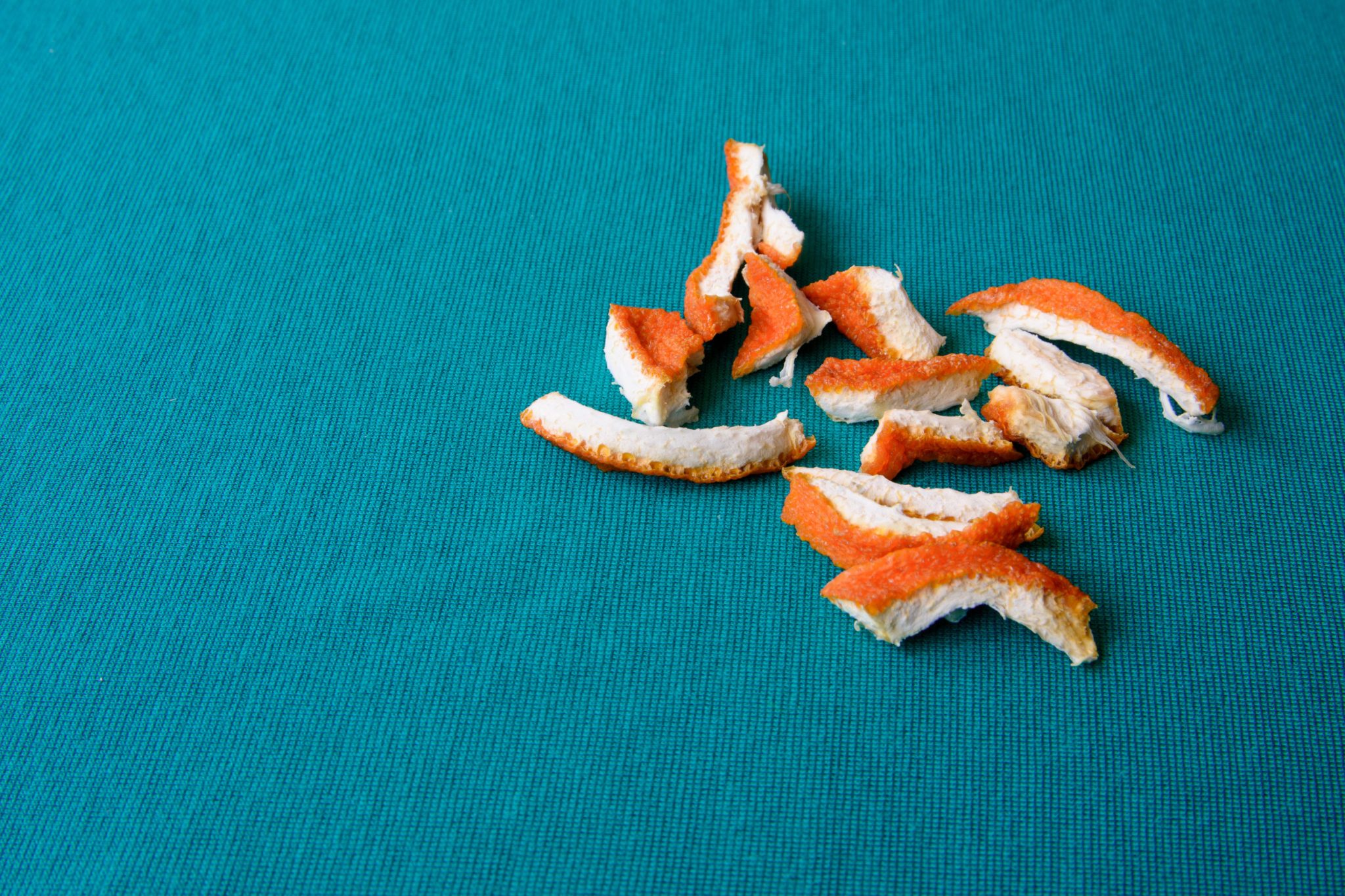
Anna Ohler tosses her breakfast orange peels straight into the compost pile, where they'll spend the next few weeks breaking down into something her garden can actually use. What most people treat as trash—a simple piece of citrus skin—contains limonene, citric acids, flavonoids, polyphenols, and antimicrobial compounds that are quietly useful for gardeners who want to squeeze more value from their kitchen waste.
The practice is older than industrial agriculture itself, but it's gaining renewed attention as people look for ways to reduce what they throw away. For gardeners managing their own soil and pests, orange peels offer a surprisingly versatile toolkit. The key is understanding where they work, where they fall short, and what to avoid.
Ohler, owner of Bright Lane Gardens, has become something of a practitioner. "I do use orange peels in the garden because they're an easy way to reuse kitchen scraps and help the soil," she explains. When added to a standard compost pile—not a worm bin—the peels break down gradually while adding nitrogen and potassium, nutrients that feed microbial life and eventually enrich the finished compost. The trick is chopping them into smaller pieces first, which speeds decomposition, and keeping them proportional to the rest of your pile so they integrate naturally.
The same compounds that give oranges their distinctive smell make the peels valuable as a pest deterrent. Justine Reichman, founder and CEO of NextGen Purpose, notes that "orange peels can act as a natural, eco-friendly pest deterrent due to the citrus oils they contain," affecting the nervous systems of insects like ants and mosquitoes without synthetic chemicals. Ohler has observed them working against aphids around her plants. But there's a catch worth knowing: the oils evaporate quickly. Fresh peels lose potency within days, which means this isn't a set-it-and-forget-it solution. You're replacing them regularly or watching your defense gradually weaken.
The antimicrobial properties of orange peels—that same concentration of citric acids and limonene—make them surprisingly effective for cleaning and disinfecting garden tools without chemical cleaners. Rubbing a peel across a trowel, pruner, or seed tray removes bacteria and fungi naturally. It's one of the more reliable applications, requiring minimal effort for genuine benefit.
Gardeners have also discovered that fresh or dried peels mask unpleasant odors near manure piles, fertilizer bags, or compost corners. Zesting the peel first releases more oil and strengthens the effect. Some even scatter peels around beds hoping to deter cats—though Ohler is honest about the results: "Keeping the cats away is hit or miss in my experience."
The warnings matter as much as the uses. Fresh peels can attract slugs and raccoons if you're not careful. Worm composters must avoid citrus entirely, since the oils and acidity damage vermicompost bins. Most importantly, citrus can raise soil acidity beyond what many plants prefer. Too much concentrated in one spot, and you're working against your own garden's chemistry. Treat orange peels as a short-term tool, not a permanent fix, and you'll find they earn their place in the growing gardener's toolkit.