In Dorado, Puerto Rico, Paola Rodriguez watches families arrive at Playa Grande El Paraiso, one of the most important leatherback sea turtle nesting sites on the island. She has seen thousands of volunteers come together here over the years. "These species cannot defend themselves," she says. "We have to be their voice."
That sense of shared responsibility echoed across the globe this June, when the fifth annual Global Ocean Cleanup brought together 2,770 volunteers across 17 countries to tackle the plastic pollution choking the world's coastlines. Working over a single weekend, these volunteers removed 60,861 pounds of waste, enough to fill dozens of garbage trucks. They restored 60 miles of coastline, an area roughly the distance from one end of Manhattan to the other.
The cleanup, organized by the Oceanic Society with support from Planet Oat and in partnership with SEE Turtles, targeted some of the most ecologically important stretches of coast on Earth. In Cabo Verde, volunteers with Fundacao Tartaruga cleared debris from Boa Vista Island, where an estimated 16,000 loggerhead sea turtles nest each season. In Indonesia, scuba divers with the No-Trash Triangle Initiative descended into Bunaken Marine Park to pull plastic from coral reefs.
"Cleaning up a beach is not just picking up trash," explained an educator from the No-Trash Triangle project. "It is unfolding the darkest and most foolish mistakes of human history, which is plastic pollution. It is a transboundary problem. If you throw waste in China, Malaysia, or the Philippines, it might end up here."
That message of global connection runs through every cleanup. In Bermuda, Lillian Ritchie has taken part in nearly 800 individual cleanups over three years. "Stewardship begins with connection," she says. "When people feel connected to a place, they want to protect it. Real change does not happen because of one person. It happens when more people fall in love with a place they call home and decide it is worth protecting."
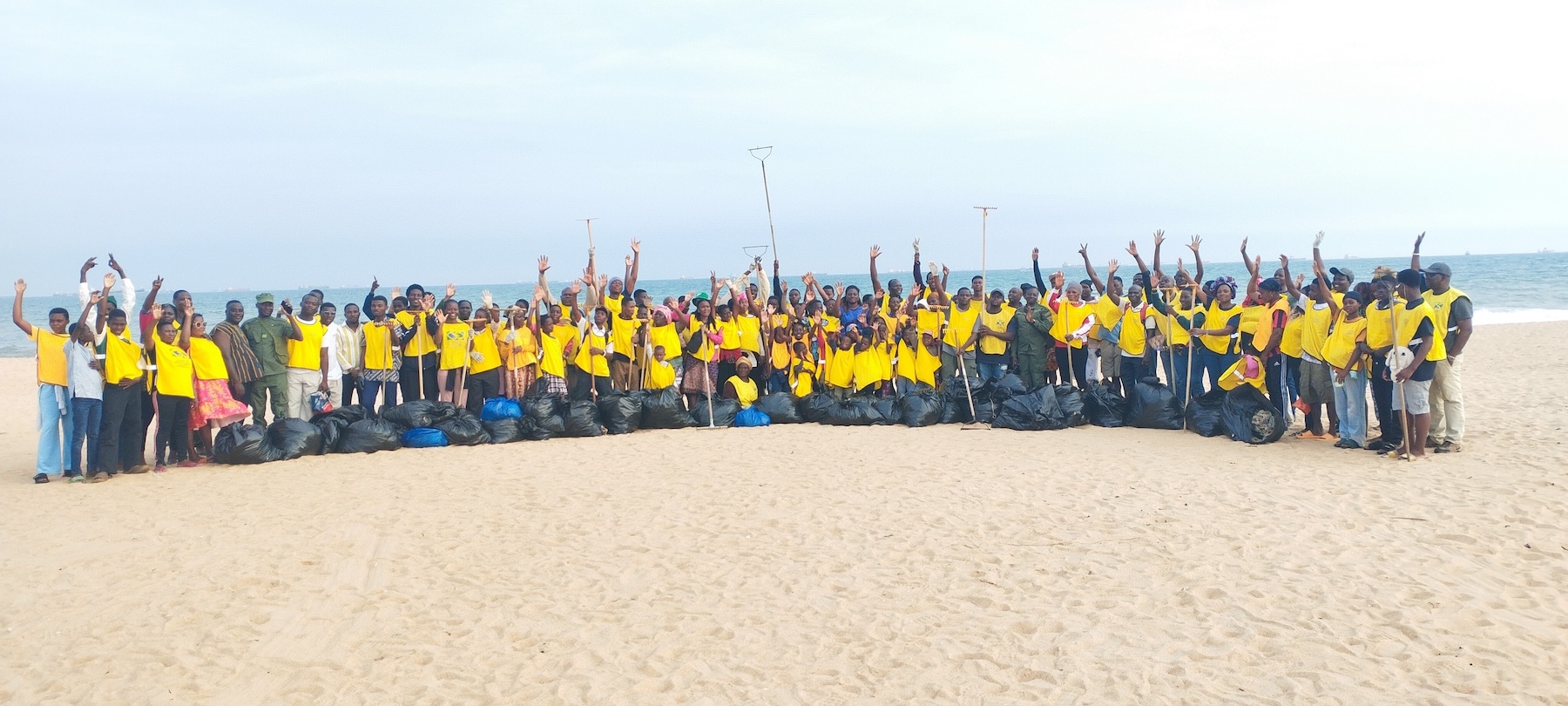
Organizers in Togo, the Dominican Republic, and beyond spoke of a growing wave of awareness. Togbuiga Adela Aklassou IV, a traditional chief, noted that seeing people around the world carry out the same activities at the same time helps raise global awareness about biodiversity and environmental protection.
For Angel Batista with Blue Carbon in the Dominican Republic, one moment stood out. When volunteers finished cleaning a mangrove area, they suddenly saw wildlife returning all around them. "Many of the volunteers were surprised because they did not expect to find so much life there," he said. "It helped people understand why we were cleaning these places in the first place."
That glimpse of recovery offers a glimpse of what is possible. As one volunteer from the Aquarium of the Pacific in the United States put it: "It makes me feel like eventually every single state or country will come and start doing it, and eventually the oceans will not be polluted."