For anyone wondering whether Republicans and Democrats can still work together on anything, here is an answer: yes — at least when it comes to solar power.
Across six U.S. states so far in 2026, governors and lawmakers from both parties have passed legislation to expand solar energy and battery storage. The reason is simple: these technologies are now among the fastest and cheapest ways to add new electricity to the grid, which helps meet growing demand, keeps the lights on, and can actually lower power bills for families.
Virginia is leading the charge. The state is experiencing some of the fastest electricity demand growth in the entire country, largely because huge data centers — the buildings that power AI and cloud computing — are popping up across the state. In response, Virginia lawmakers passed one of the nation's most comprehensive energy packages in the first half of 2026. The legislation expands the state's energy storage target to an ambitious 20 gigawatts, making it easier for homeowners and businesses to install rooftop solar, and creates new shared solar programs that will add 525 megawatts and 100 megawatts of clean energy capacity. It also directs Appalachian Power to develop a virtual power plant pilot program by July 2027, essentially using thousands of small batteries working together like one big power plant.
Illinois is delivering even more tangible benefits to its residents. The state's ongoing implementation of its landmark Clean and Reliable Grid Affordability Act is projected to save Illinois consumers a staggering $13 billion on electricity bills over the next 20 years. That law is also expected to deploy 3 gigawatts of battery storage and launch a new virtual power plant program.
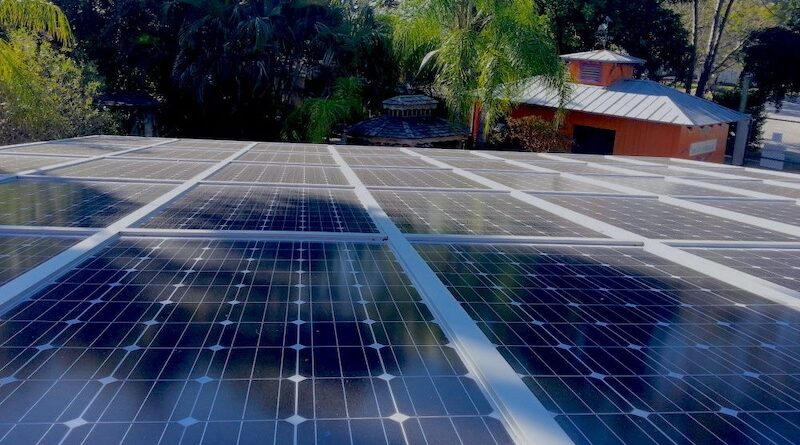
Maryland doubled its commitment to solar in a way that directly benefits homeowners and small businesses. The state increased its net metering cap — the rule that lets solar owners sell extra electricity back to the grid — from 3 gigawatts to 6 gigawatts. That means twice as many Maryland families and businesses can participate in the program.
New York invested $200 million into its NY-Sun program, which incentivizes rooftop and community solar projects. A recent study found that expanding distributed solar and storage across New York could deliver $1 billion in annual savings for utility customers through lower wholesale electricity rates.
New Jersey expanded incentives for large-scale battery storage projects to help the state manage growing electricity demand while keeping long-term costs down.
What ties all these states together is a bipartisan recognition that solar and battery storage work. These technologies are no longer experimental — they are proven, cost-effective tools that states are using to solve real problems: rising electricity demand, aging grids, and increasing power bills. And by passing these laws, they are proving that sometimes the most practical solutions cross political lines.