On a moonlit beach in Costa Rica, thousands of tiny green sea turtle hatchlings scramble toward the waves, their flippers kicking up sand as they navigate by the glow of the horizon—a sight once nearly lost to history. Just decades ago, these ancient mariners were vanishing fast, caught in fishing nets, displaced by coastal development, and poisoned by plastic. But thanks to relentless global efforts, their numbers are rising, a quiet triumph in the fight to preserve Earth’s fragile biodiversity.
The green sea turtle’s comeback is more than a feel-good story—it’s proof that coordinated conservation can reverse even deep declines. Once listed as endangered across its range, the species has rebounded in key nesting sites from Florida to the Great Barrier Reef, thanks to protections like turtle excluder devices in fishing gear, beachfront lighting regulations, and community-led hatchling patrols. In Hawaii, the number of nesting females on the island of Hawaii has increased by more than 50% since the 1990s. In the Caribbean, countries like Barbados have seen nesting numbers jump from just a few dozen per year to over 1,000.
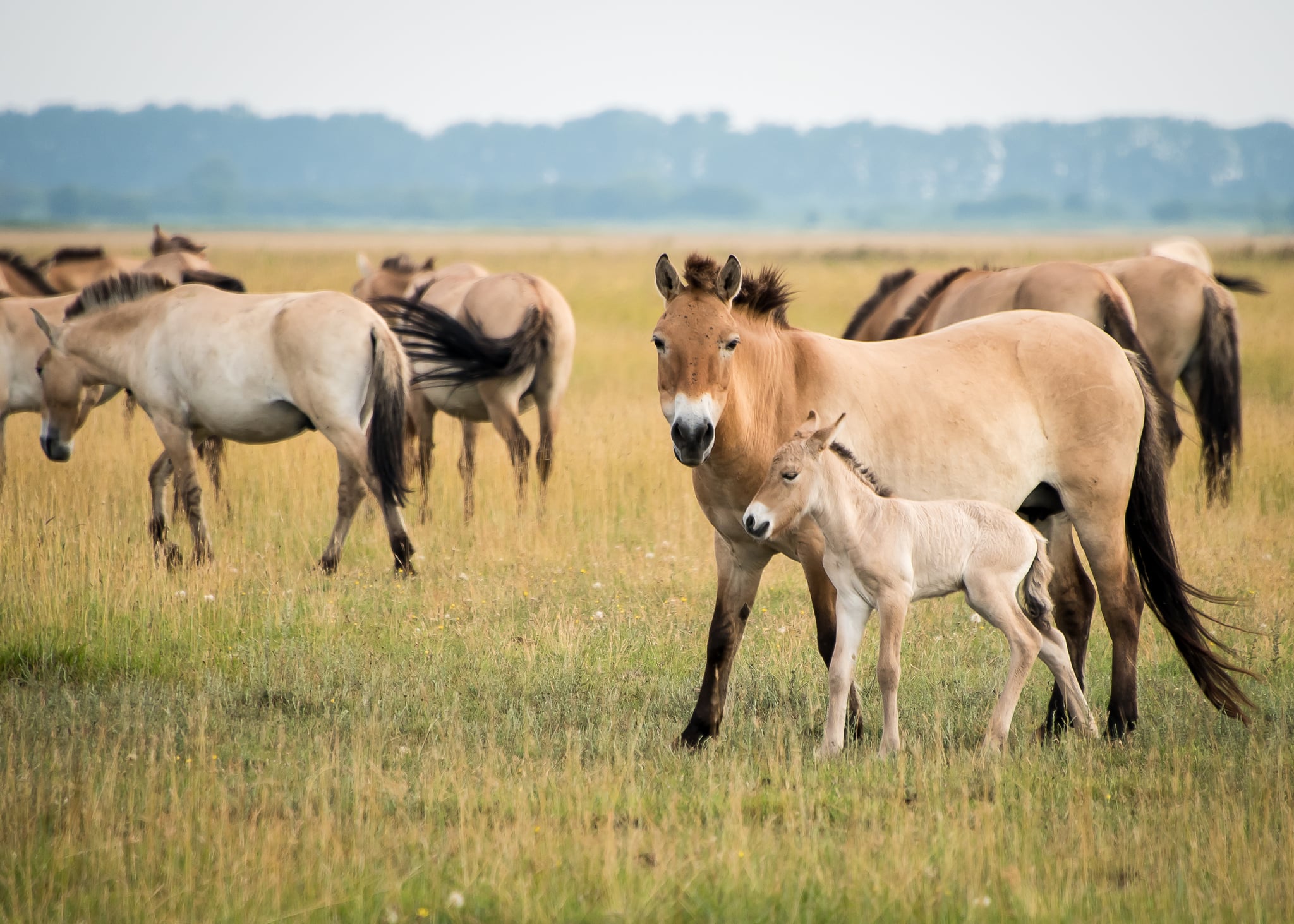
Other species have followed similar paths from the brink. The Guam rail, a flightless bird known locally as “ko’ko’,” vanished from the wild in 1994 after invasive brown tree snakes devoured its population. But thanks to captive breeding programs on Rota and Cocos Island, the bird was downlisted to critically endangered in 2019—the second bird in history to recover after being declared extinct in the wild. Similarly, Przewalski’s horse, the world’s only true wild horse, was extinct in the wild by the 1960s. Through reintroductions in Mongolia and China, over 700 now roam free, and the species has been upgraded from extinct in the wild to endangered.
Perhaps the most iconic recovery belongs to the giant panda. Once dwindling to fewer than 1,200 in the wild due to habitat loss and poaching, China’s creation of 67 panda reserves and the 1988 Wildlife Protection Act turned the tide. By 2016, the IUCN reclassified the panda from endangered to vulnerable, with wild populations surpassing 1,800.
These wins are not endpoints but milestones in an ongoing effort. Each species’ revival reminds us that extinction is not inevitable—that with science, policy, and passion, nature can heal. As conservationists look ahead, the lesson is clear: when we act in time, life finds a way back.