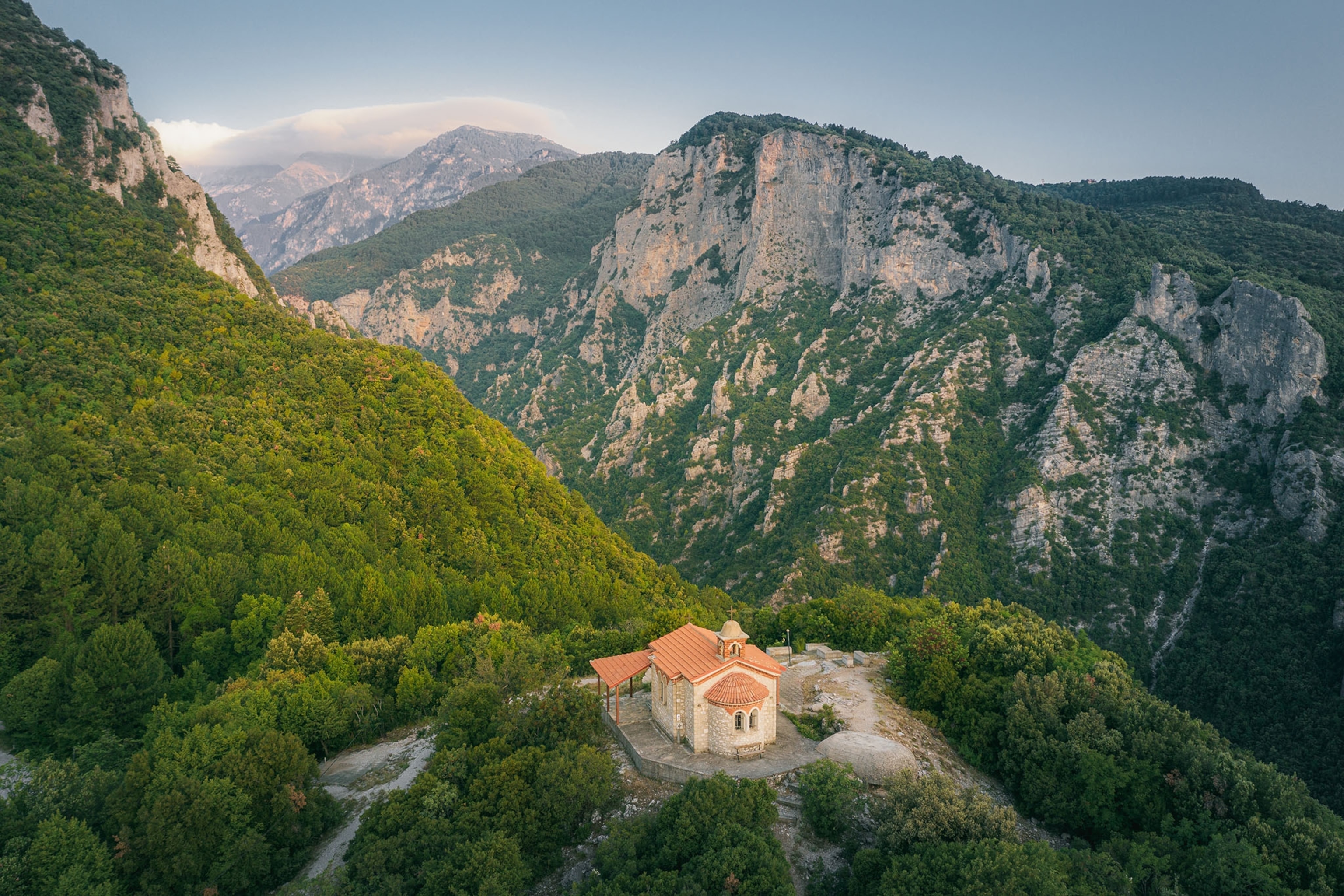
Rising above the clouds on Greece's northern coast, Mount Olympus has inspired myths for thousands of years. Now, this legendary mountain — believed to be the home of Zeus and the Olympian gods — has received a new kind of recognition. In 2024, UNESCO named Mount Olympus an official World Heritage Site, protecting 47,000 acres of peaks, deep gorges, and ancient forests for future generations.
Every year, the United Nations Educational, Scientific and Cultural Organization adds remarkable places to its World Heritage List. This year, seven new sites joined the collection, which now spans more than 1,200 locations across every continent. The designation brings more than just prestige — it provides legal protections and access to conservation funding, helping to shield these landscapes and monuments from development and neglect.
Mount Olympus is a standout among the new additions. The mountain's dramatic elevation changes — from sea level to nearly 10,000 feet at its peak — create a stunning variety of habitats. Thick forests of oak and chestnut blanket the lower slopes, while higher up, hardy alpine plants cling to rocky ridges. More than 1,500 plant species and hundreds of animal species call this mountain home, including rare birds and insects found nowhere else on Earth.
But the mountain is more than a wilderness. Scattered across its slopes are cultural treasures, including the 16th-century Old Monastery of St Dionysios, built by monks seeking solitude and spiritual connection. For visitors, the mountain sits just 90 minutes by car from the city of Thessaloniki, offering a rare chance to walk where ancient Greeks believed their gods once walked.
Other new World Heritage Sites tell equally compelling stories. In China, the ancient porcelain capital of Jingdezhen — where artisans have crafted blue-and-white ceramics for over 1,000 years — gained protection for its historic kilns, mines, and workshops. In Tunisia, the cliffside village of Sidi Bou Saïd was recognized for its iconic whitewashed houses and cobalt-blue doors, a color scheme enforced by law for more than a century. Even the beaches of Normandy, France, where Allied soldiers landed in 1944 to help end World War II, received designation as places where history and remembrance converge.
In Uzbekistan, the modern city of Tashkent was added for its unique architecture, built after a devastating earthquake in 1966 reshaped the capital. Sharp geometric buildings softened by decorative mosaics now stand as symbols of resilience and creativity.
For communities around the world, UNESCO designation can mean renewed pride and resources for preservation. In Mount Olympus, ranger patrols and conservation programs will help protect fragile ecosystems from overtourism and illegal development. Local guides and small businesses may benefit from sustainable tourism that respects the mountain's natural and cultural significance.
As climate change and development pressure threaten irreplaceable places everywhere, these designations offer hope. They remind us that some stories — of gods and goddesses, of ancient crafts, of courage and rebuilding — are worth protecting for the children of tomorrow.