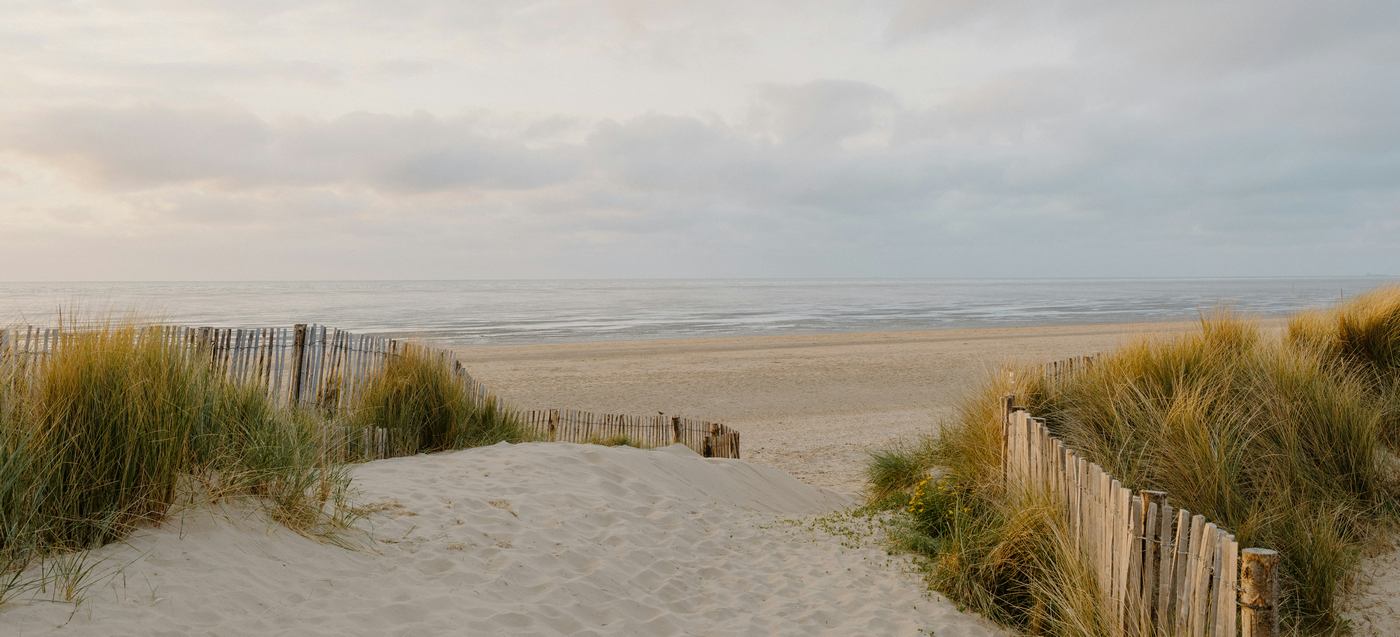
Eight acres of wild, blooming coastal dunes now ripple in the ocean breeze just steps from the bustling sidewalks of Santa Monica, where once only flat sand and sunbathers stretched to the sea wall. This is no accident of nature—it’s the careful work of The Bay Foundation, led by Tom Ford, who is quietly reshaping Southern California’s relationship with its vanishing shoreline. “Your beach is still your beach, only better,” Ford says, and he means it. Where bulldozers once flattened dunes for beach access, native plants like Sea Cliff Buckwheat now take root, offering lifelines to endangered species like the El Segundo blue butterfly. These 8 acres are the first phase of a bold ecological revival: restoring the vegetated dune systems that once defined Los Angeles County’s coast, before urbanization erased over 90% of them.
The stakes are more than ecological—they’re existential. As climate change fuels stronger storms and rising tides, these living dunes act as natural shock absorbers. Unlike rigid seawalls that deflect wave energy and worsen erosion nearby, vegetated dunes absorb impact, trap blowing sand, and grow taller over time, forming dynamic barriers that protect both wildlife and coastal infrastructure. Each plant anchors the sand, encouraging more to accumulate, creating a self-sustaining system that evolves with the coast. The results have been so promising that the California Coastal Commission has approved an additional 30 acres of dune restoration stretching all the way to Venice Beach—nearly four times the size of the initial project.
What makes this effort remarkable isn’t just its scale, but its harmony with public life. The Bay Foundation works closely with lifeguards, beach patrol, surf clubs, and volleyball leagues to ensure that recreation isn’t sacrificed for restoration. Paths remain open, views are preserved, and the beach stays accessible—just more resilient, more alive. "We work extremely hard with the lifeguards, with the police, with the sports groups, with the various clubs down here to make sure that all that space for those activities is preserved," Ford explains. This isn’t nature versus people; it’s nature for people.
The transformation is already visible in the return of native pollinators, the stabilization of sand, and the quiet rewilding of a coastline long treated as a commodity. As other coastal cities grapple with retreat or fortification, Santa Monica is choosing regeneration. The message is clear: protecting the coast doesn’t mean closing it off—it means inviting the wild back in, one dune at a time.