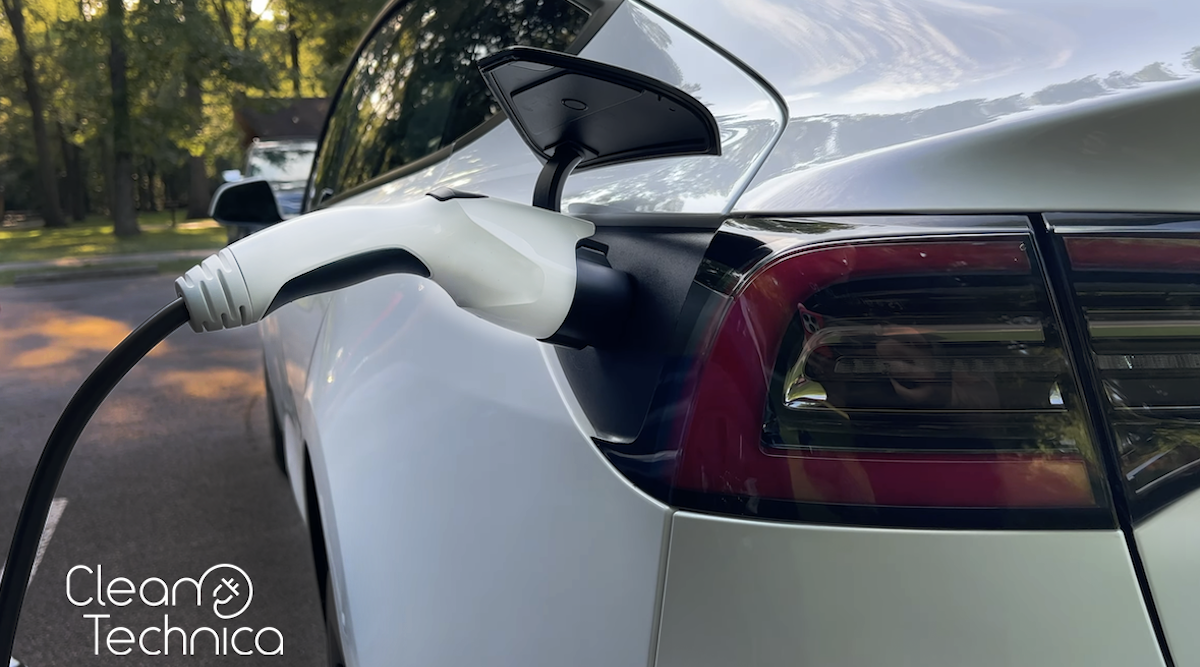
California has quietly installed an estimated 800,000 home EV chargers—a fact that reveals the electric vehicle charging infrastructure is far more advanced than most people realize. While public chargers dominate the conversation, the real story of California's electrification success lies in the homes where the vast majority of charging actually happens.
The confusion about EV charging infrastructure stems from a fundamental misunderstanding about how electric vehicles are actually used. Roughly 80 percent of EV charging occurs at home, where it's convenient, inexpensive, and happens overnight while drivers sleep. Yet public perception remains fixated on the visibility of roadside chargers, leading many to believe the state is woefully undersupplied. California's over 200,000 public chargers seem insufficient when compared against thousands of gas stations—but the comparison fundamentally misses how EV owners fuel their vehicles differently.
The numbers tell a clearer story. According to projections from the National Laboratory of the Rockies, by 2030 there will be 33 million electric vehicles on US roads. To support them, 28 million charging ports will be needed, with 25.7 million—a striking 92 percent—expected to be private Level 1 and Level 2 chargers at single-family homes. Another 2.1 million will be at workplaces, multifamily residences, and commercial locations. Public opportunity chargers for long trips represent only a fraction of the total infrastructure needed, yet they've become the centerpiece of the charging conversation.
This matters because it reframes California's progress. Home EV chargers cost less than $1,000 for the unit alone, with many drivers charging through standard household outlets. Government incentives further reduce costs, making home charging remarkably affordable compared to the million-dollar figures some politicians have wildly cited. For a person who drives fewer than 300 miles monthly—a commute pattern shared by millions—a home charger provides all the electricity they'll ever need. They save money by using electricity instead of gasoline, save time by charging at home instead of visiting gas stations, and reduce their carbon footprint without disrupting their daily routine.
Real examples underscore the adequacy of current infrastructure for many drivers. Police departments in towns across California have deployed Tesla fleets with depot chargers, where vehicles return daily for charging between shifts. These vehicles operate perfectly without needing a sprawling public network because their usage patterns match their charging infrastructure. The same logic applies to countless households where daily driving distances fall well within what home charging easily covers.
Yet the infrastructure gap remains real in one critical area: apartment and condo complexes. Most multifamily housing still lacks onsite charging, creating genuine barriers for renters and condominium owners. As this infrastructure develops—and it is developing—the picture of California's EV readiness will become even clearer. The state is not as far behind as headlines suggest; it's simply ahead in ways that are invisible to those focused solely on public chargers.
California's 800,000 home EV chargers represent a quiet revolution in transportation, one where millions of drivers are already accessing the charging infrastructure they need, every night, in their own driveways.