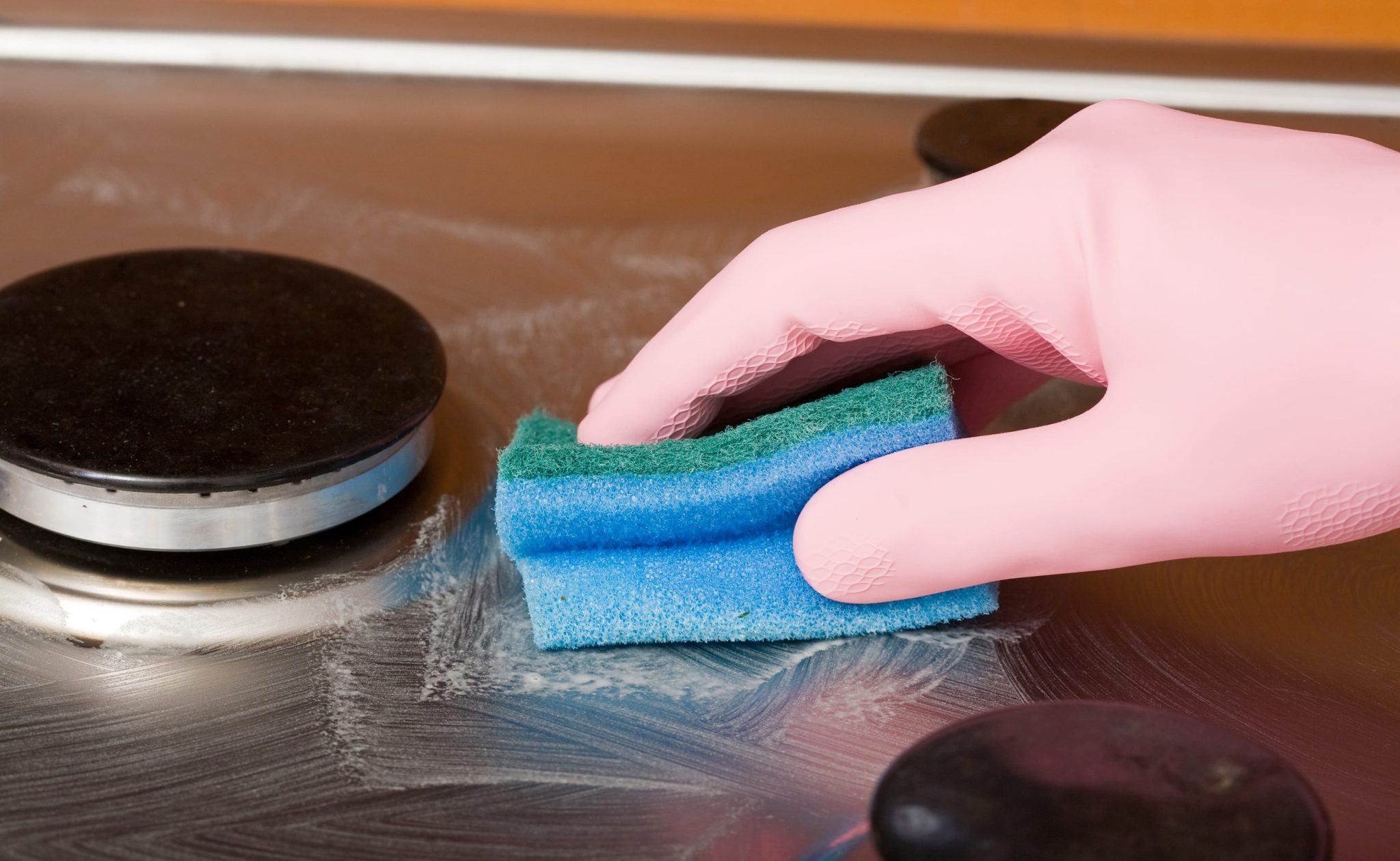
Before that worn kitchen sponge hits the bin, pause—it may have solved nine entirely different problems waiting in your home. Old sponges, particularly those made from cellulose or other plant-based materials, carry surprising versatility that most households overlook. What begins as a limp dishwashing tool can become a seed-starting vessel, a furniture protector, a garden kneeling pad, or even a reusable ice pack. Each repurposing extends the sponge's working life while keeping it out of landfills, turning a moment of waste into a moment of resourcefulness.
The simplest transformation requires almost nothing: after washing and disinfecting a damp sponge, spread a layer of seeds across its top, cover it with a clear bowl or lid to trap moisture, and mist every few days with a spray bottle. Once seedlings emerge, transfer them to proper planters. No seed-starting tray needed. The same sponge logic applies throughout the home. Cut dried pieces to size and glue them to furniture legs with strong adhesive, and they cushion impact so chairs and tables stop scraping across hardwood or tile. Plant pots benefit from the same treatment on their undersides—a small hack that makes rearranging less destructive.
Beyond the living room, old sponges migrate to where they're still useful. Dampen one to wipe dust from leafy houseplants or apply diluted treatments during plant care. Move the worn kitchen sponge to the bathroom, where it handles sinks, showers, or toilet scrubbing after proper sanitizing. Assign it a specific zone and store it somewhere it can dry fully between uses. For outdoor living, bundle several old sponges together, tie them with string, dip the whole thing in cleaning solution, and scrub patio furniture that's been sitting unused since last fall. The result is a functional tool made entirely from materials destined for the trash.
Some repurposings lean toward comfort and protection. Soak a sponge in water, seal it in a zip-close bag, and freeze it for a reusable ice pack that stays pliable when cold and fits snugly around lunch bags, small coolers, or sore ankles. Wash and refreeze as needed. Outside, dip an old sponge in insect repellent and wipe it across chairs and tabletops before heading outdoors, or saturate one in citronella oil and leave it on a plate nearby—cheaper than a candle and equally effective. For gardeners, stack several sponges together as an instant kneeling pad, or wrap a collection in fabric and stitch it closed for something more durable. Knees crouching in soil will appreciate the cushioning.
When a natural sponge truly has nothing left to give, cut it into smaller pieces and add it to a compost bin. Sponges made from cellulose, walnut shell, hemp, or other plant-based materials break down over time, cycling back into soil. Synthetic and plastic sponges, however, don't belong in compost—they'll persist indefinitely. The distinction matters. Nine lives for one sponge means less waste, more solutions, and a reminder that household objects often deserve a second chance before they become refuse.