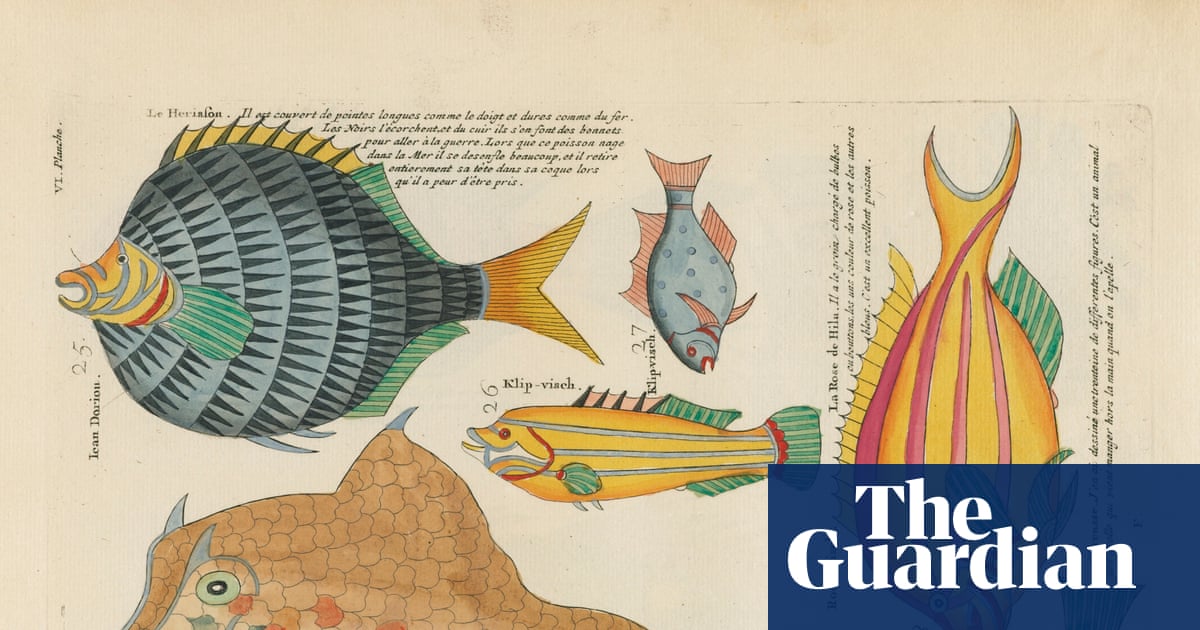
David Iggulden once lost an entire rainy Sunday tracing the history of Victorian walking stick woods through a digitized 1892 exhibition catalog from Henry Howell & Co.—not because he needed to, but because he could. That’s the magic of the Biodiversity Heritage Library (BHL), a quietly revolutionary digital archive that has made 64 million pages of scientific literature freely accessible to anyone with an internet connection. For two decades, this global collaboration has been unlocking centuries of natural history knowledge, from medieval plant pharmacopeias to Antarctic field diaries, transforming how we understand—and protect—the living world.
The numbers are staggering: over 680 institutions across six continents have contributed to the BHL, including the Royal Botanic Gardens, Kew, the New York Botanical Garden, and Museums Victoria. Its oldest treasure? A parchment manuscript of Circa instans, dating to around 1190, one of the earliest Western medical texts that helped standardize plant names and uses—digitized just last year. But the library isn’t just for historians. Scientists have used its archives to track climate shifts, reassess endangered species, and uncover ecological patterns hidden in handwritten notes.
Take the 1947–1957 field diaries of Australian ornithologist A. Graham Brown. When Nicole Kearney uploaded them to the BHL, she thought they’d interest bird researchers. Instead, a hydrologist reached out, thrilled to find detailed records of river flooding in southern Australia—data now crucial for modeling flood patterns. During the pandemic, historical journals helped scientists prove that rare Australian orchids had undergone dramatic range shifts after the 2019–2020 “black summer” wildfires, leading to urgent reassessments of their conservation status.
The library also holds personal wonders: watercolor sketches by Sir Joseph Hooker from his 1841 Antarctic expedition, capturing volcanoes just as they came into view; or the illustrated catalogs of a London firm that once claimed to be the world’s largest walking stick manufacturer—now a resource for studying historical wood use. “It’s a really fascinating find—and quite different to what you’d expect in the BHL,” Iggulden says with a smile.
For Kearney, the mission is clear: democratizing access to knowledge that might otherwise gather dust in a single archive. “Being able to share such unique, handwritten manuscripts with the world fulfils one of the key aims of the BHL,” she says. In an age of climate crisis and biodiversity loss, these digitized pages aren’t just relics—they’re tools. And thanks to a quiet, two-decade effort by librarians, scientists, and archivists, they’re now within reach of anyone, anywhere.