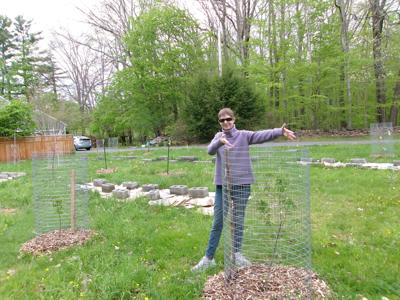
When Carrie Greene looked at the vacant lot next to her home on Bridges Road in Williamstown, Massachusetts, she saw something most people would overlook: potential. The small patch of land she'd been mowing—a task that felt pointless—became the seed of something far larger. What started as a conversation between Greene and friends who all identify as "liberal environmental activists" has blossomed into the HWB Bridges Road Community Garden, a thriving testament to the power of neighbors working together.
The garden's origin story hinges on unlikely partnerships. Cameron Hasty, co-organizer and experienced gardener with connections to Herbalists Without Borders, guided the project toward formal membership in that international organization, which focuses on community, resilience, advocacy, medicine, and food. The affiliation brought tangible benefits: liability insurance and tax deductions for donors—both in cash and materials—that proved essential for a scrappy startup operation.
What Greene and Hasty have built from scratch is impressive in scope. The core volunteer team started with seven members and has been steadily expanding, each Sunday afternoon drawing more hands to the soil. Forty trees now stand rooted in carefully fenced plots—a precaution against deer, those persistent garden thieves. The gardeners have watched foxes move through the neighborhood, a promising sign that rabbit populations might be kept in check. Even the challenge of a resident woodchuck has become part of the garden's story, a reminder that this is a genuine ecosystem, not a controlled laboratory.
The garden's approach to soil health reveals careful stewardship. Rather than tilling—which would disturb the earthworms and microorganisms essential to fertility—volunteers laid cardboard over the garden plots during winter. Soil samples went to the University of Massachusetts for testing. The community has rallied with donations that transformed the venture from a pipe dream into something workable: lime for amendment, wood chips from Mountain Home Landscaping, cedar raised beds, and a gift of garden hose. Second Chance Compost provided additional soil enrichment. One volunteer even brings an electric mower to tend the grassy paths between beds. Greene herself absorbs the added costs of electricity and water.
The garden's purpose extends beyond its founding volunteers. Yes, those who work the soil will harvest what they plant—vegetables, flowers, and herbs chosen through careful, utilitarian planning. But the intention is deeper: to supply food pantries and other outlets serving those in need. This dual mission—personal harvest alongside community care—has become the garden's north star.
Looking forward, the vision keeps expanding. Greene hopes the garden might inspire similar projects throughout the neighborhood, perhaps offering a starter kit to guide others. The group is considering a gardening summer camp, though likely not this year. Some wonder aloud whether the land might eventually be divided into family gardens, letting the model multiply.
What makes the Bridges Road garden remarkable isn't novelty—community gardens dot the landscape across America. What matters is this: seven people recognized a hunger deeper than hunger for food. They saw a need to plant, to serve, to build something together in a world that too often pulls us apart. And in doing so, they've created something that looks a lot like community.