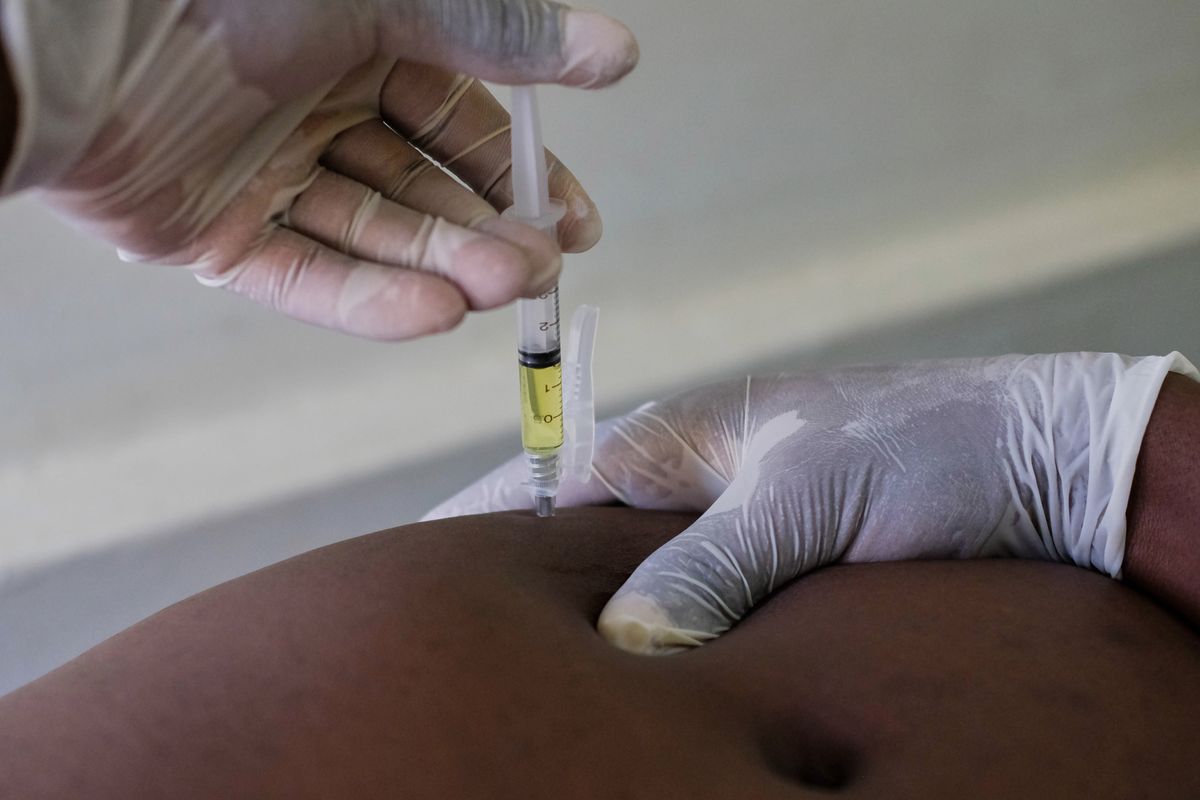
A shipment of generic lenacapavir has reached Zambia, bringing a twice-a-year HIV-prevention shot closer to people who may not have easy access to daily pills. The first doses arrived Wednesday, and deliveries to Uganda are expected in the coming days.
Lenacapavir is a form of pre-exposure prophylaxis, or PrEP: medicine taken to prevent HIV infection. The injectable drug is nearly 100% effective at preventing HIV and is given just twice a year, making it less demanding than taking preventive pills every day. The generic version is expected to cost $40 per person each year and is ultimately planned for use in 120 countries.
The shipment is part of an effort by the Global Fund, a partnership that works to fight AIDS, tuberculosis and malaria. In Zambia, the medication must first clear local procedures. It is expected to be put to use within three weeks. The arrival matters because demand for the shot has been far greater than the available supply, according to Tenu Avafia, deputy executive director of Unitaid, a global health agency. He called generic supply a major step toward making the prevention option more affordable and widely available in lower- and middle-income countries.
The generic was developed by India-based Dr. Reddy’s Laboratories through an agreement arranged by Unitaid and its partners. Earlier this month, the U.S. Food and Drug Administration approved the generic, but its approval is “tentative” because the original brand-name medicine remains under patent. That means the generic cannot be sold in the United States while Gilead Sciences’ Yeztugo is protected there.
Gilead has made royalty-free licensing agreements with six generic drugmakers. The licenses cover specific countries in sub-Saharan Africa, Asia and Latin America. The company said it signed them eight months before regulatory approval to help ensure an early supply and worked with manufacturers and global health partners. The agreements are intended to support greater production, though the source does not say that every country will receive the medicine at the same time.
The stakes are large. The World Health Organization says 41 million people worldwide were living with HIV last year, and 570,000 died from HIV-related causes. Wider access to a highly effective option that requires only two injections a year could help more people protect themselves, especially where daily prevention pills are harder to obtain or take consistently.
For now, Zambia’s first shipment is a practical beginning: the medication still needs to pass clearance before it can be used, and supplies must reach people who need them. With Uganda deliveries expected soon and a plan to extend availability to 120 countries, health partners are looking to turn a promising prevention tool into a more reachable one. As Global Fund Executive Director Peter Sands put it, the opportunity is to reach millions more people at risk and bring the goal of ending AIDS closer.