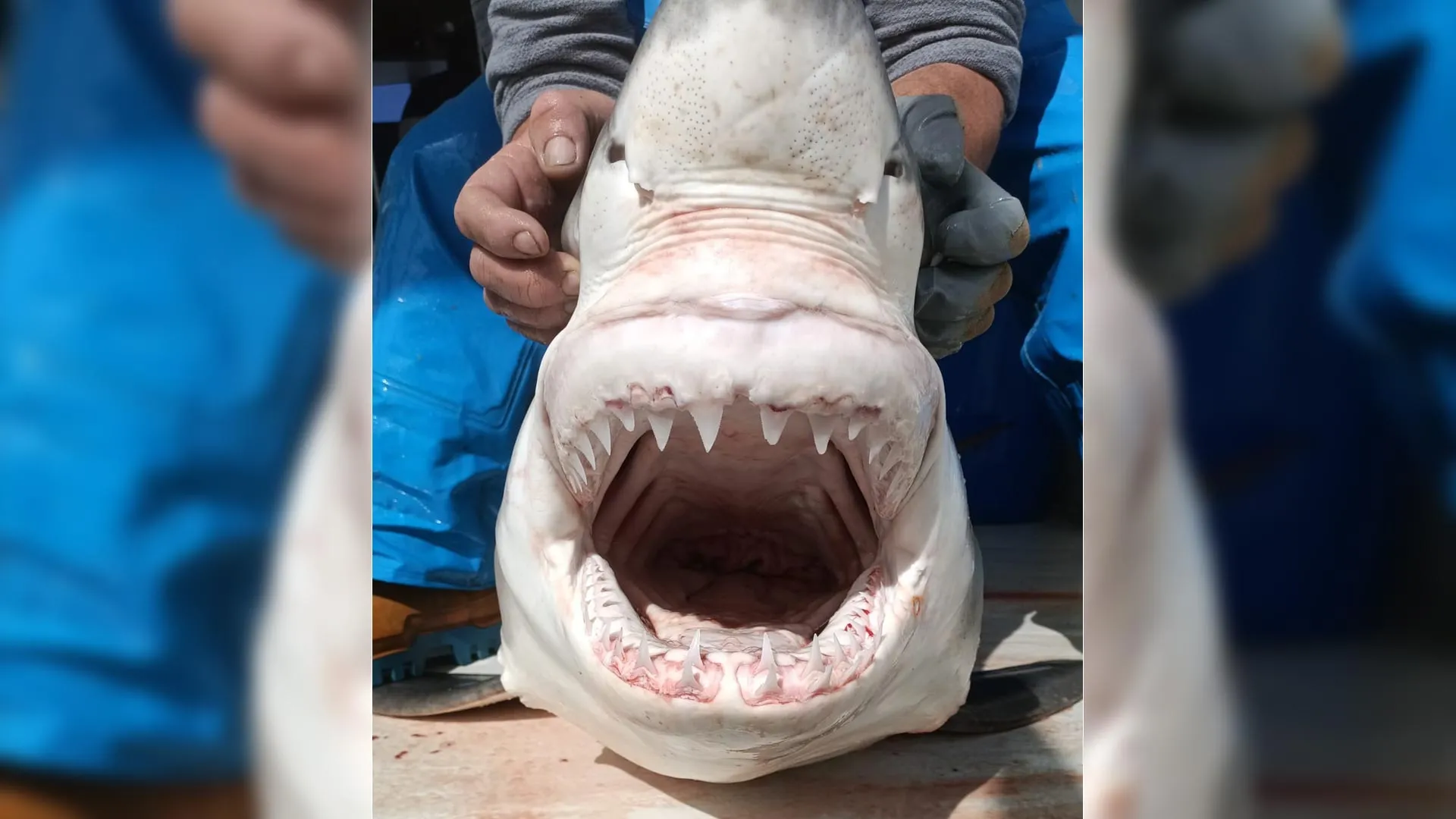
For more than a century and a half, researchers have wondered whether great white sharks still haunt the deep waters of the Mediterranean—or whether the region lost its resident population long ago. A single accidental catch off Spain's eastern coast in April 2023 has now reignited that question with fresh urgency.
On April 20, 2023, local fishermen pulled up a juvenile great white shark near the eastern Iberian Peninsula. The young predator measured nearly 7 feet long and weighed between 176 and 198 pounds. While great white sharks are among the ocean's most celebrated predators, sightings in this part of the Mediterranean are extraordinarily rare—so rare, in fact, that scientists have taken to calling the regional population a "ghost" population.
The unusual encounter prompted Dr. José Carlos Báez and his team to comb through 160 years of documented records, spanning from 1862 through 2023. Their findings, published in the journal Acta Ichthyologica et Piscatoria, confirm that great white sharks have maintained a presence in Mediterranean waters, even if they remain largely hidden from human view.
For researchers, the shark's youth may matter most of all. "The occurrence of juvenile specimens raises the question whether active reproduction may be occurring in the region," Dr. Báez explained. In other words, this isn't simply a case of sharks passing through—finding a young shark suggests that breeding could still be taking place somewhere in these waters, a possibility that has electrified the scientific community.
The timing of the discovery comes as great white shark populations worldwide face mounting pressure. The species currently holds a Vulnerable status on the IUCN Red List, meaning long-term survival cannot be taken for granted. Each confirmed sighting provides critical data for conservation efforts, helping scientists understand where these animals still roam and how they use their habitat.
Beyond the scientific intrigue, Dr. Báez is quick to emphasize what these sharks do for the ocean. As apex predators, great whites sit at the top of marine food webs, helping to maintain ecological balance across vast stretches of open water. They redistribute energy and nutrients across enormous distances, serve as nature's cleanup crew by consuming carrion, and even in death, their bodies sink to the seafloor, delivering a vital pulse of nourishment to deep-sea communities.
"By shedding light on the biology and ecology of the great white shark, research can help replace unfounded myths with genuine understanding," Dr. Báez said. Moving forward, he envisions combining traditional sighting records with modern tools like satellite tracking to map the movements and habits of Mediterranean great whites.
For now, a single young shark—caught by chance and released back into the current—has breathed new life into a mystery that stretches back generations. The Mediterranean may hold more secrets than anyone imagined.