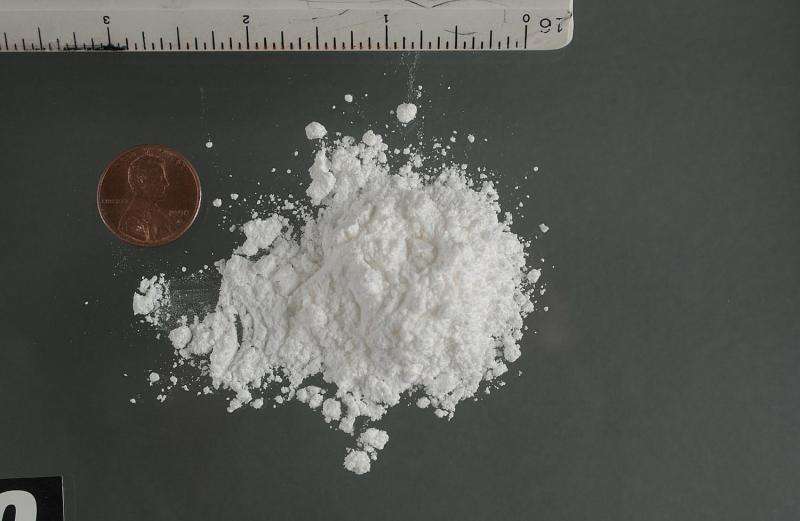
Some rats simply don't want cocaine, even when it's offered freely—and now scientists know this trait runs in families. Researchers at the University of Maryland Baltimore have discovered that an individual's sensitivity to cocaine's unpleasant effects—a natural "brake" that discourages continued use—is heritable, varying significantly from person to person and rat to rat. The finding challenges how we think about addiction, suggesting it's not always about an inability to resist reward, but sometimes about differing capacities to feel the negative consequences that should stop us.
This discovery matters because it could reshape addiction treatment and prevention. For decades, the dominant narrative has framed addiction as a reward-seeking disease: a drug feels so good that users pursue it regardless of harm. But Thomas Jhou and his team at University of Maryland Baltimore found something different. They discovered that some individuals may feel the unpleasant aftermath of cocaine—the crash, the discomfort—while others feel very little, and this difference has a genetic basis.
The research began with a straightforward observation: standard rats showed vastly different responses to cocaine's negative effects. When Jhou's team bred the rats that were most responsive to those unpleasant sensations, their offspring inherited the same sensitivity. The offspring of rats least bothered by cocaine's downsides also inherited their parents' relative indifference. The pattern held across multiple genetically distinct rat strains too. Some strains were naturally cocaine-avoidant; others were drawn to it; still others fell somewhere in between.
But here's what made the finding truly intriguing: this wasn't about general avoidance behavior. Jhou initially wondered whether cocaine-avoidant rats were simply more cautious creatures overall—"the Eeyores of the bunch," as he puts it. Testing revealed that wasn't the case. Rats that strongly avoided cocaine weren't necessarily avoidant of other negative stimuli. The genetic factors influencing how unpleasant cocaine feels are distinct from the genetic factors that govern general wariness, suggesting different brain pathways are at work.
The implications are profound. If some people are genetically predisposed to feel cocaine's negative effects more acutely, they have a built-in protective mechanism. Others, born without that sensitivity, start from a disadvantage—the drug's downsides simply don't register as strongly as a warning signal. This doesn't mean addiction is inevitable for those individuals, but it does mean they lack one of nature's defenses against escalating use.
"Addiction is frequently thought of as a 'reward-related disease,' with the idea being that 'this drug is so rewarding, I can't resist it and will pursue it despite the consequences,'" Jhou explains. "But we've started thinking about it differently. Some individuals may feel consequences that others don't at all, or to a lesser degree! And this is what we are starting to see."
The research, published in eNeuro in 2026, opens new questions about prevention and treatment. If sensitivity to cocaine's aversive effects is heritable, it might be possible to identify individuals at higher genetic risk before they ever encounter the drug—and develop interventions tailored to those who lack this natural brake. Understanding the brain pathways involved could also point toward new therapeutic approaches.