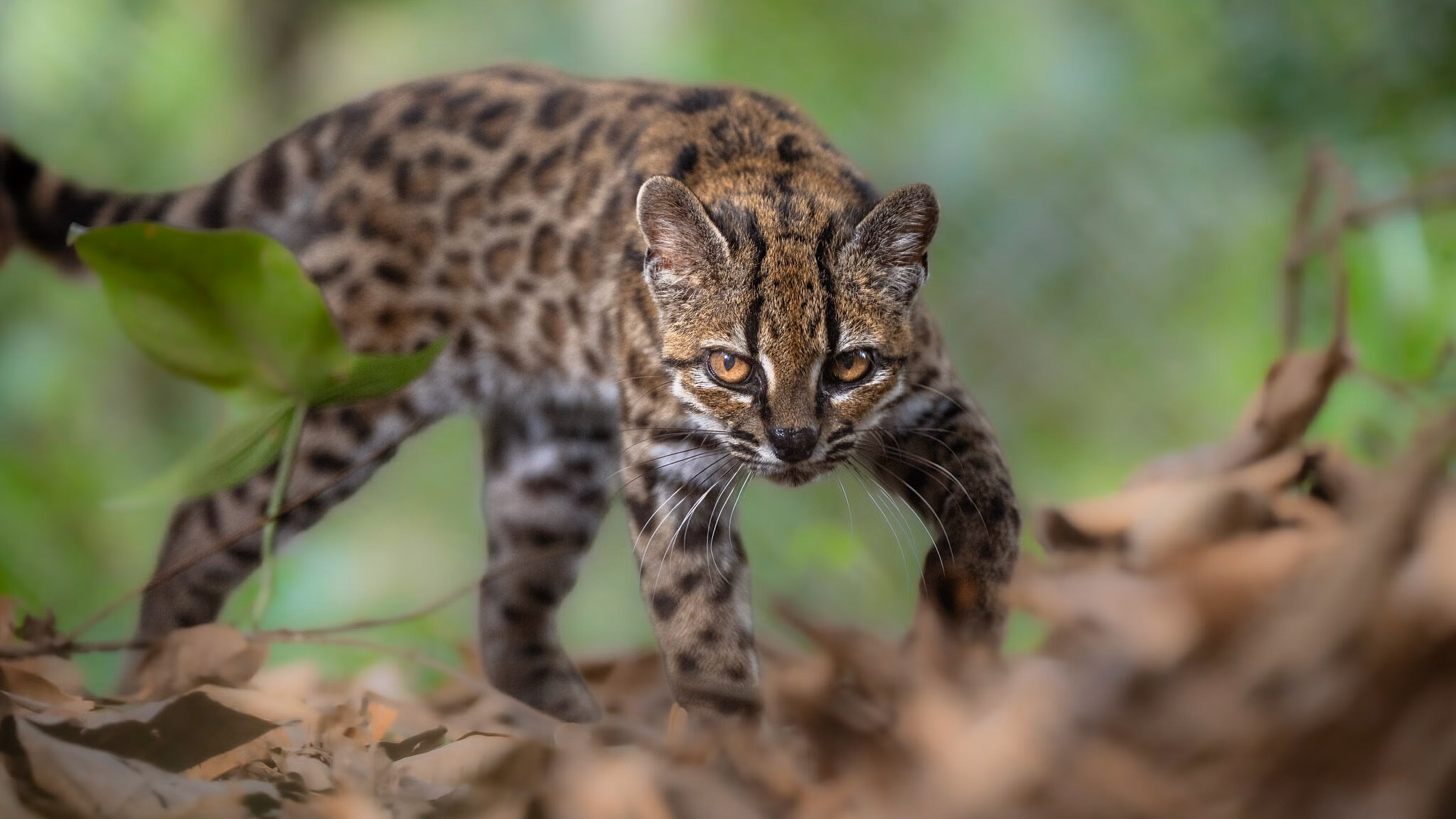
Tadeu Gomes de Oliveira was tracking a tiny, spotted cat through the misty cloud forests of Bolivia when genetic tests revealed something astonishing: this creature, now named the tilcayo (Leopardus tilcayo), was a wild cat species never before described by science. Its lineage split from other small cats 1.4 million years ago, hiding in plain sight in the Yungas mountains. This discovery marks the first new living cat species identified in over a century—not because it was unknown to locals, but because science had never formally recognized it.
The tilcayo is more than just a new name in the animal kingdom. It’s a sign that our understanding of wild cats is changing fast. Thanks to advances in genetic research, scientists like Oliveira are re-examining what it means to be a species. What were once thought to be mere regional variations may actually be distinct animals. Oliveira, a Brazilian biologist and co-chair of the IUCN Cat Specialist Group, believes the number of recognized tiger-cat species could jump from three to as many as seven.
These aren’t just academic debates—they’re matters of survival. One population, the munoai pampas cat, may have fewer than 200 individuals left. If it’s not recognized as its own species, Oliveira warns, it could vanish without dedicated protection. “Formal species recognition is the key to unlocking focused conservation efforts and funding,” he says. Without that status, it’s harder to attract resources or legal safeguards.
Oliveira’s work spans decades and continents. He leads the Wild Cats Brazil/Americas Conservation Program and founded the Tiger Cats Conservation Initiative. His research has helped reshape how we see small wild cats, especially in South America. Now, he’s pushing for a global monitoring program to track these often-overlooked animals, many of which live in remote areas and face threats from habitat loss and climate change.
Support is growing. In 2021, the Ayers Wild Cat Conservation Trust committed at least $20 million over ten years to Panthera’s Global Alliance for Wild Cats, with a strong focus on small species. This funding could help launch large-scale studies and protection efforts, especially in regions like the Amazon and the Andes, where new discoveries are still being made.
The tilcayo is a reminder that the natural world still holds secrets. With better science and stronger conservation will, even the smallest, most elusive cats might get the attention they need to survive.