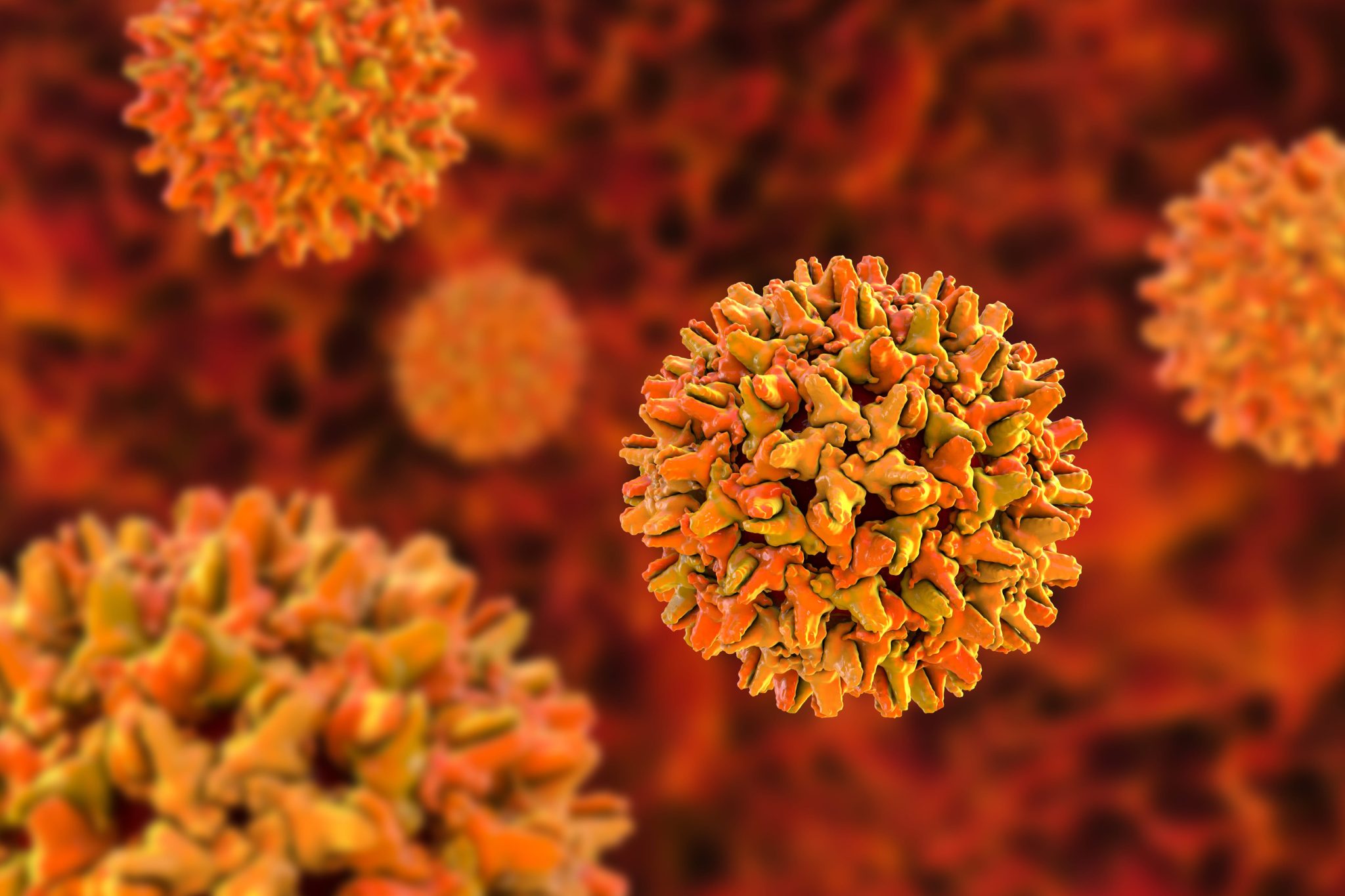
A functional cure for hepatitis B—something medicine has chased for decades—just moved from the realm of hope to clinical reality. In a trial spanning 29 countries, a new drug called bepirovirsen cleared the virus in roughly one in five patients, a breakthrough so significant that leading hepatologists are calling it transformative.
The stakes for this advance are enormous. More than 240 million people worldwide live with chronic hepatitis B, yet only 13 percent know they have it. The virus is a silent accomplice to liver damage, often causing no symptoms at all until scarring, failure, or cancer develops. It is the second most potent carcinogen after tobacco, claiming over one million lives annually. Current treatments suppress the virus but almost never eliminate it, forcing patients onto medication for life.
The B-Well trial, published May 28 in the New England Journal of Medicine, enrolled 1,838 adults across 29 countries. Half received weekly injections of bepirovirsen alongside their existing antiviral medication for six months; the rest received placebo. The results were striking: 19 percent of those on bepirovirsen achieved what researchers call a functional cure—their immune systems kept the virus under control without medication for more than six months. That dwarfs the current standard of care, which achieves this outcome in only 3 percent of patients, typically after eight to ten years of treatment. In the most promising subgroup, those with the lowest viral surface antigen levels at the start, the cure rate climbed to 26 percent.
The mechanism behind bepirovirsen differs from existing antivirals. Rather than simply suppressing the virus from the outside, it works in two ways at once. The drug binds to viral messenger RNA to block the production of viral proteins. Simultaneously, it appears to be taken up by macrophages—the immune system's front-line white blood cells—triggering an immune response against hepatitis B itself. This dual action makes it function more as an immunomodulator, essentially teaching the body's own defenses to reclaim control.
"We've not had a treatment come close to this level of cure," says Seng Gee Lim, director of hepatology at the National University Health System in Singapore and a study co-author. "I think my patients will be extremely delighted to have this treatment available." Anna Suk-Fong Lok, an independent expert and director of clinical hepatology at the University of Michigan Medical School, reflected the cautious optimism of the field: "After many failed trials in the last 10 years, the B-Well Trials' results provide hope that functional cure for hepatitis B is feasible."
The trial's limitations are worth noting. It excluded people with cirrhosis, HIV coinfection, or severe disease, and the drug worked best in patients whose hepatitis B was already better controlled. This underscores a hard truth: as Jane Davies, an infectious disease specialist at the Royal Darwin Hospital in Australia, points out, "new treatments will only change lives if people are diagnosed early, regularly monitored, and connected to care." Vast treatment gaps remain, especially in sub-Saharan Africa and the western Pacific, where infection rates are highest and vaccination coverage is lowest.
GSK has submitted trial data to regulators in the United States, Canada, Europe, Japan, and China, with approval decisions expected this year. Potential side effects include changes to platelet counts and kidney function, and injection site reactions, all requiring monitoring. The immediate priority, as Davies emphasizes, remains unchanged: finding the millions of people living unaware with hepatitis B and connecting them with care before silent damage becomes irreversible.