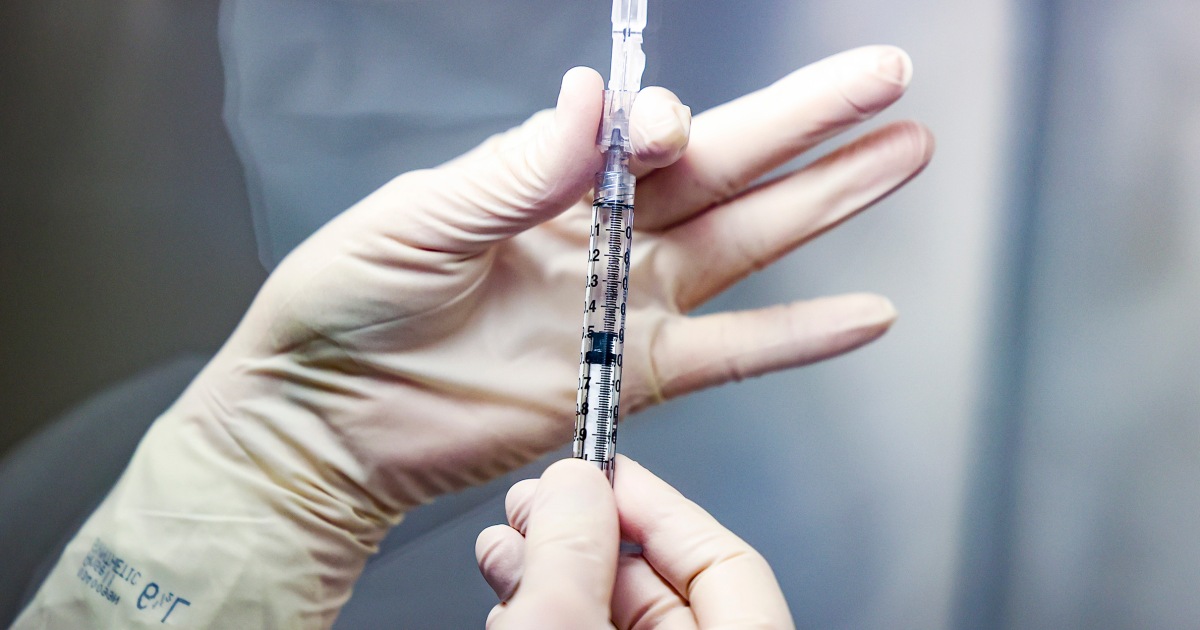
Melanoma has always returned unbidden. In about half of patients with this deadliest form of skin cancer, the disease creeps back within five years of surgery and standard treatment. But a personalized mRNA vaccine developed by Moderna and Merck is changing that calculus: a clinical trial presented at the American Society of Clinical Oncology's annual meeting found that patients who received the vaccine alongside immunotherapy cut their risk of recurrence in half, with nearly 70% remaining cancer-free at the five-year mark.
The breakthrough matters because melanoma kills. It spreads silently—even after surgery removes the visible tumor, microscopic cancer cells often linger in the body, waiting to multiply. Standard care for high-risk patients includes surgery followed by pembrolizumab (Keytruda), an immunotherapy drug, but this alone leaves many people vulnerable to relapse. The new vaccine addresses this vulnerability by training the immune system to hunt down and eliminate the cancer cells that remain.
How it works is elegant. Scientists extract DNA from each patient's tumor and identify neoantigens—unique proteins on the cancer cell surfaces caused by mutations found nowhere else in the body. The vaccine was designed to target 34 of the most promising neoantigens identified in each patient's cancer, essentially creating a personalized "wanted poster" for the immune system. After surgery, patients waited about four to six weeks for their vaccine to be manufactured, then received up to nine doses spaced three weeks apart, timed with their immunotherapy treatments.
The trial enrolled 157 patients with Stage 3 melanoma—cancer that had spread to nearby lymph nodes or skin. The results were striking: 107 patients who received the personalized vaccine combined with Keytruda saw nearly 70% remain cancer-free at five years, compared to just 49% of the 50 patients who received Keytruda alone. The vaccine also cut the risk of cancer metastasizing by nearly 60%. Even more compelling, the vaccine appeared gentle on the body—side effects matched those of Covid mRNA vaccines, with mild flu-like symptoms lasting only a couple of days, rather than the compounded toxicity often seen when layering multiple cancer drugs.
"The vaccine is doing exactly what we hoped it would do," said Jeff Coller, a professor of RNA biology at Johns Hopkins University. "It's training the immune system to recognize the tumor signature long after the tumor is gone." The five-year milestone is particularly significant because, as melanoma specialist Dr. Ravi Amaravadi of the University of Pennsylvania noted, most cancers that will return do so within that window. If patients reach five years cancer-free, doctors typically reduce surveillance.
The work builds on advances in mRNA technology that accelerated during the Covid pandemic, though these vaccines were in development before. A larger phase 3 trial involving 1,000 patients across the United States and Europe has already completed treatment, with results being compiled now. This next phase will determine whether the promise glimpsed in these five-year outcomes holds at scale.
The melanoma vaccine is not alone—early results from an mRNA vaccine for pancreatic cancer also suggest reduced recurrence risk. Together, these trials suggest personalized mRNA vaccines could reshape cancer care, offering patients a low-toxicity way to activate their own immune systems against their unique cancers.