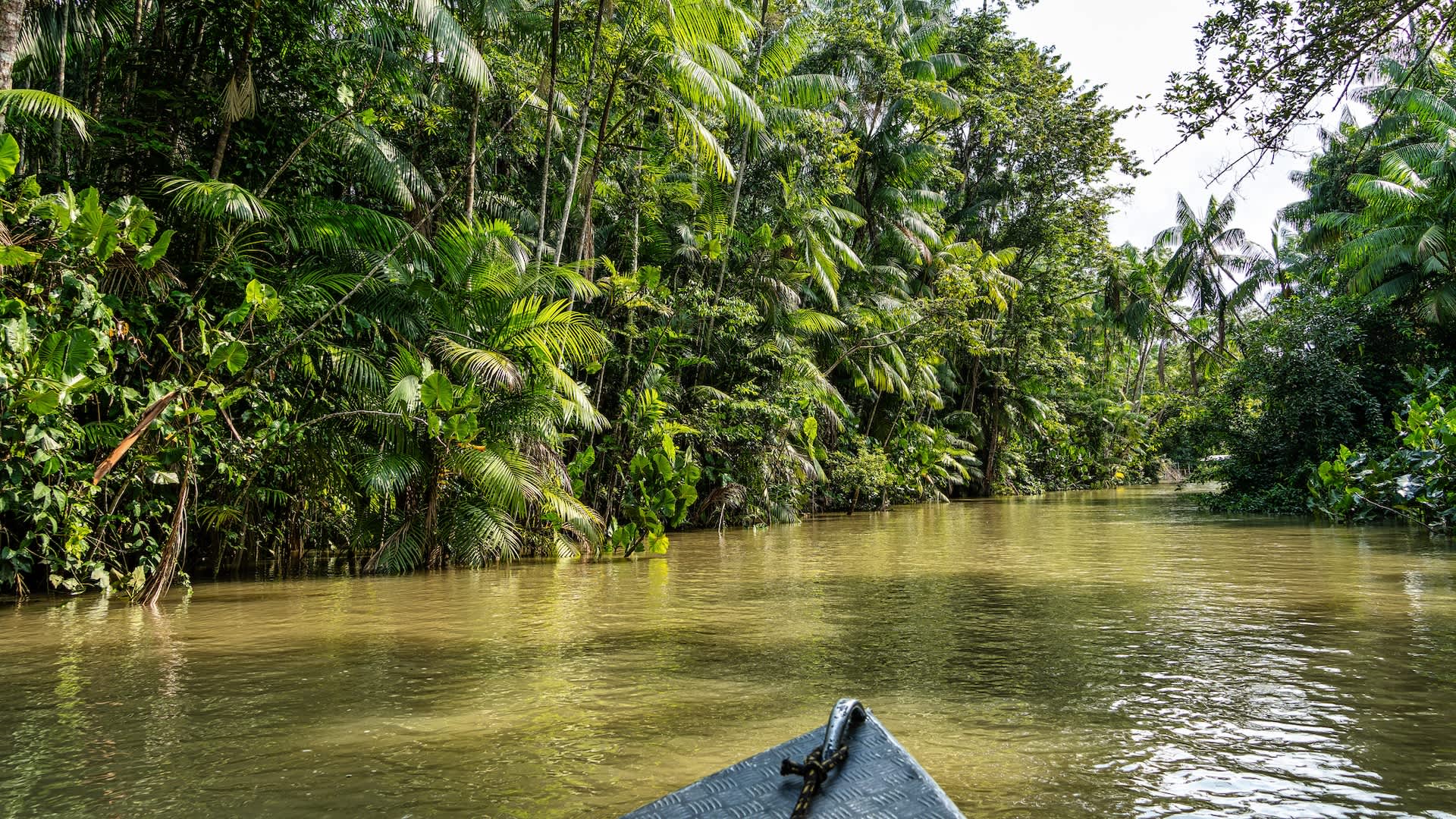
Zhen Zhang was poring over satellite images in a quiet lab at Tulane University when he noticed something the world had missed: mangroves, long in retreat, were quietly coming back. Across coastlines from Indonesia to Mexico, these salt-tolerant trees were not only regrowing but thickening into denser, more resilient forests. What emerged from his team’s analysis, published in Science, is one of the rare bright spots in environmental conservation — a global turnaround where losses have slowed to just 1% since the 1980s, a dramatic improvement from earlier predictions of widespread collapse.
For decades, mangroves were sacrificed at an alarming rate. Between the 1980s and 2010, the planet lost nearly 1,120 square miles — an area larger than Rhode Island — to shrimp farms, coastal development, and urban sprawl. These losses didn’t just erase greenery; they stripped away vital storm buffers, fish nurseries, and some of the planet’s most efficient carbon sinks. But beginning around 2007, the tide began to turn. By 2023, restoration efforts, stricter protections, and growing awareness had tipped the balance: gains in mangrove coverage began to outpace losses.
The significance lies not just in area restored, but in quality. The researchers found a notable rise in “closed canopy” mangroves — mature, tightly packed forests that store up to five times more carbon than terrestrial trees and offer superior protection against storm surges. In Indonesia, the life-saving role of these forests became undeniable after the 2004 Indian Ocean tsunami, where villages behind intact mangroves suffered far less damage than those on cleared shores. Today, these recovering ecosystems are doing more than heal — they’re actively shielding communities and sequestering carbon at a moment when both climate mitigation and adaptation are urgent.
Much of this progress stems from deliberate action. National policies in countries like India and Vietnam have prioritized mangrove protection, while grassroots initiatives — often led by coastal communities — have replanted thousands of hectares. Public awareness, galvanized by disasters and amplified by science, has shifted mangroves from overlooked wetlands to valued guardians of the coast. As Daniel Friess, a co-researcher on the study, put it: “Mangroves are now showing a net increase globally, and the rate of degradation is slowing.”
Still, threats remain. Urban expansion and aquaculture continue to pressure these ecosystems. Yet the data offers a rare dose of hope: when we protect mangroves, they rebound. And in doing so, they deliver outsized benefits — for biodiversity, for climate, and for people. The path forward isn’t complicated. As Zhang emphasized, the most powerful step is also the simplest: stop cutting them down. In that act of restraint lies immense potential — to store carbon, prevent emissions, and let nature do what it does best: recover.