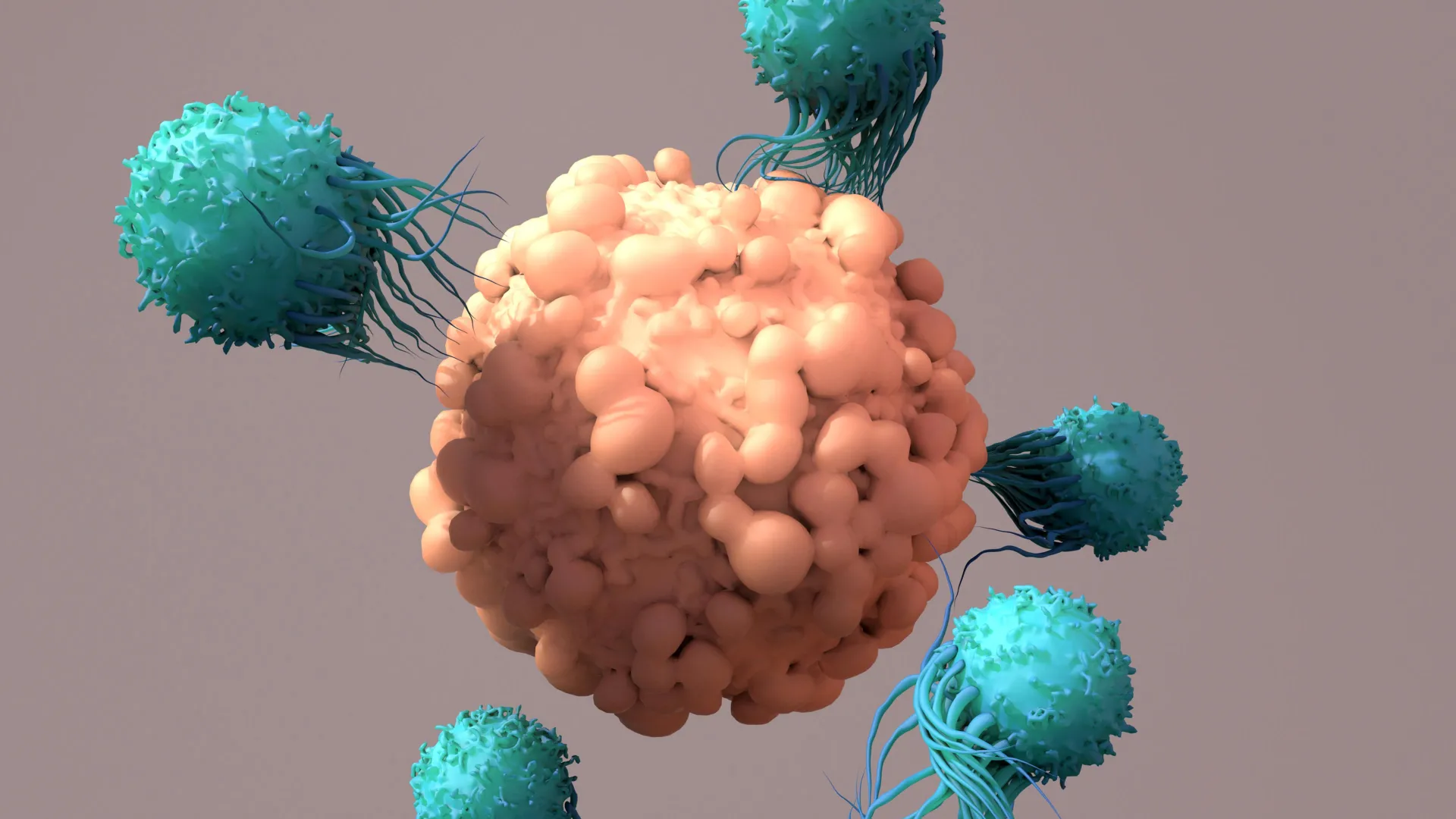
In a sprawling analysis of roughly 400 transcription factors, researchers from Columbia University and University Hospital Tübingen have pinpointed a single protein that could reshape how cancer immunotherapy works. That protein, NFIL3, acts like a brake on CAR T cells—the engineered immune warriors that have revolutionized treatment for certain blood cancers but have largely failed against harder-to-treat solid tumors. By simply disabling it, the team found that CAR T cells stayed active longer, multiplied more efficiently, and mounted stronger attacks on tumors.
The discovery matters because CAR T-cell therapy represents one of the most promising frontiers in personalized cancer medicine. The approach itself is elegant: doctors extract a patient's own immune cells, genetically reprogram them to recognize and destroy cancer, then return the modified cells to the body. For blood cancers like certain leukemias, the results have been remarkable. But against solid tumors—the cancers that kill most people, like lung, breast, and pancreatic cancers—CAR T therapy has stumbled. Understanding why became the mission of an international team led by Prof. Michel Sadelain of Columbia University, a pioneer in CAR T development, alongside Prof. Judith Feucht of University Hospital Tübingen.
What the researchers discovered was that NFIL3, a protein that controls which genes switch on or off inside cells, was driving CAR T exhaustion—a gradual loss of function that weakens these immune cells over time. Using CRISPR gene-editing technology, they disabled the gene responsible for producing NFIL3 and watched what happened. The engineered CAR T cells without NFIL3 remained potent far longer than their counterparts, multiplied more robustly, and proved significantly better at controlling tumor growth in mouse models. Across several animal studies, the results were consistent: removing NFIL3 extended survival and improved tumor control.
"Switching off NFIL3 could be a decisive step toward significantly improving the long-term potency of CAR T cells," said Prof. Feucht, whose work bridges the laboratory and clinical bedside. Her commitment to translating discovery into patient care is reflected in her position as both a researcher within Germany's only Cluster of Excellence in oncology and a practicing physician treating children and adolescents with cancer. This "bench-to-bedside" approach—moving findings from laboratory discovery toward human application—reflects the true goal: expanding CAR T therapy's reach.
Celina May, co-first author of the study and a member of Prof. Feucht's research group, voiced the larger ambition: "Our goal is to improve the effectiveness of CAR T cells in solid tumors as well. We expect this to open up new possibilities in the treatment of cancer patients." The findings, published in Cancer Discovery, provide what researchers describe as encouraging evidence that a single protein could be the key to unlocking CAR T's potential against cancers that currently resist it.
The pathway forward remains measured. Additional research will be needed before this strategy moves into human trials. But the discovery that one small switch—NFIL3—can transform CAR T cell performance offers hope that solid tumors, which have resisted immunotherapy for years, might finally be brought within reach.