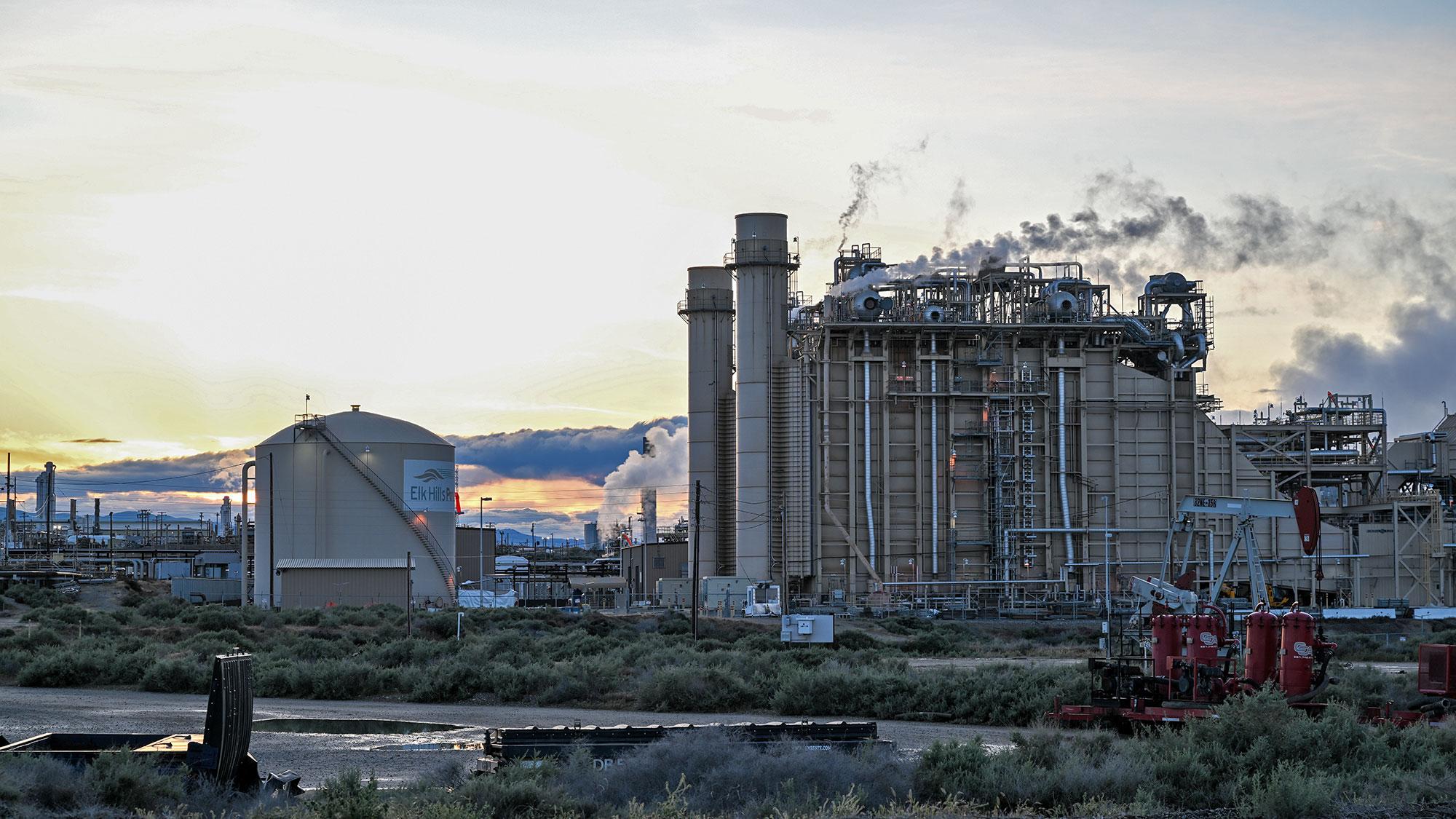
In the dusty expanse of the Elk Hills oil field, where derricks have bobbed for over a century, a new kind of energy is about to be harnessed—not to pump crude, but to power the future of artificial intelligence. California Resources Corporation (CRC), the state’s largest oil producer, has unveiled plans for a 600,000-square-foot data center on 100 acres of active industrial land, aiming to sidestep the fierce community opposition that has derailed similar projects from New York to Utah. As AI’s insatiable demand for computing power collides with public resistance, the Golden Valley Technology Hub offers a novel compromise: repurpose the fossil fuel landscapes of the past to fuel the digital economy of tomorrow.
Across the U.S., data centers have become lightning rods for controversy. Communities fear noise, surging energy costs, and the strain on water supplies—concerns that have sparked legislative pushback in four states in just the past month. But Elk Hills, located more than a mile from the nearest homes in Taft and Buttonwillow, presents a different calculus. Here, industrial activity is already woven into the fabric of daily life. CRC executives, including chief sustainability officer Chris Gould, frame the project as “responsible development,” emphasizing job creation, tax revenue for Kern County, and a closed-loop cooling system that will use only as much water as fills an Olympic swimming pool over ten years.
The site’s existing 550-megawatt natural gas power plant, originally built to generate steam for oil extraction, now runs well below capacity—making it a ready-made energy source for the data center. Instead of drawing from California’s strained grid, the facility will run almost entirely on this underutilized power. While the reliance on fossil fuels may seem at odds with the state’s climate goals, CRC is betting on carbon capture to bridge the gap. The company recently launched a first-of-its-kind system that traps CO2 from an oilfield gas plant and stores it in depleted wells—and plans to extend that technology to the power plant serving the data center.
Community support appears to be growing: CRC’s permit application includes around 150 signatures from local residents, though at least five are linked to the oil industry. Still, experts like Gabriel Collins of Rice University’s Center for Energy Studies see strategic sense in the location. “Where you stand on these things depends on where you sit,” he says. “If you’re already in a long-industrialized area, folks will probably find it easier to deal with.”
If Golden Valley succeeds, it could become a blueprint for the AI age—turning idle industrial zones into hubs of digital infrastructure, minimizing disruption to residential communities, and proving that even in California’s push to phase out fossil fuels, old landscapes can find new purpose.