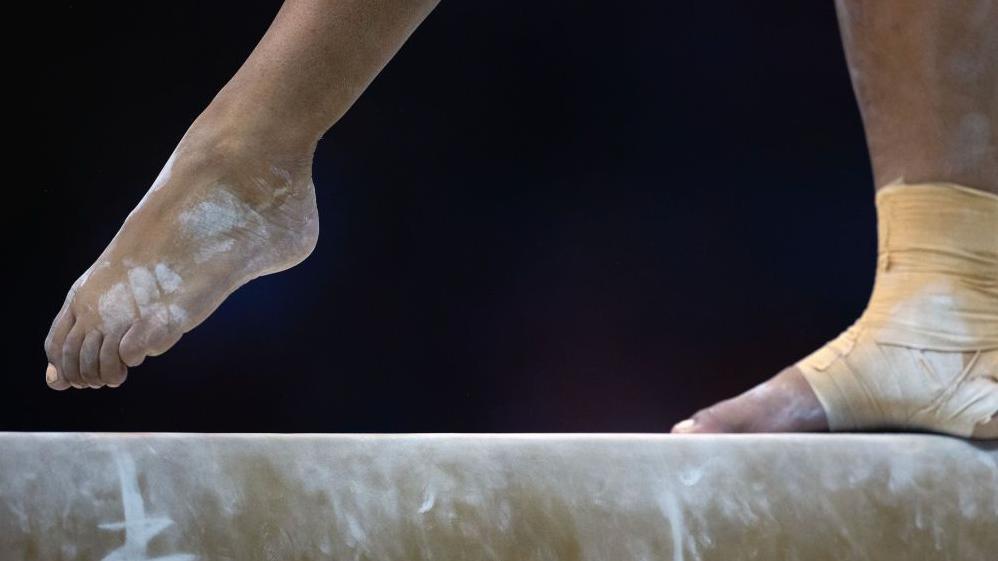
Laura was 12 years old when her gymnastics coaches began weighing her twice a day, insulting her body, and pressuring her to lose weight—a cycle of shame that would destroy her physical and mental health for years to come. Now 19, she has received a five-figure payout from British Gymnastics after developing anorexia, bulimia, and depression, missing nearly five months of school as a result. Yet even as compensation arrived, the pain of the original disciplinary process lingered: some of the allegations against her coaches were not upheld, and she never received the acknowledgment of harm she desperately needed.
Laura's story is not unique. At least 28 ongoing claims are being pursued by law firm Bolt Burdon Kemp against British Gymnastics, and survivor accounts reveal a strikingly similar pattern—a complaint process so flawed that it has failed victims at nearly every turn. Nicole Pavier, now 30, was weighed every single day of her gymnastics career and developed serious eating disorders as a result. When she finally pursued her case through the Independent Complaints Panel (ICP) last year, she was not permitted to bring anyone into the hearing room for support, nor was she allowed to submit witness statements to corroborate her allegations. "I felt blindsided," Nicole said of an experience she described as "horrific."
The ICP's structural problems cut deeper than procedural unfairness. In both Laura's and Nicole's cases, the panel partially upheld complaints but ultimately decided the coaches posed no current safeguarding risk—a determination that kept their names off British Gymnastics' public list of banned or suspended coaches. The survivors and their families say this outcome sends a dangerous message: that childhood trauma, eating disorders, and years of harm count for less than the abstract question of future risk.
British Gymnastics has now committed to replacing its complaints process entirely, bowing to mounting pressure from victims, their families, and the survivor-led charity Gymnasts For Change, which has documented what it describes as "procedural incompetency and failures in every case we have dealt with." The decision signals a recognition that the old system was broken beyond repair. Christopher Quinlan KC, who oversaw the case management stage of the ICP, acknowledged in a recent statement that he has been trying to "address gymnasts' concerns" and "understand why those panels are not upholding their complaints"—an admission that the very structure designed to protect children had instead re-traumatized them.
Laura's mother spoke plainly about what was at stake: "The whole thing was a shambles. Ultimately, at the heart of this are children—children who ended up with eating disorders or self-harmed because of this culture in the sport." Her words distill the human cost of institutional failure. These are not abstract policy debates; they are young people whose developing bodies and minds were shaped by a sport that prioritized performance over wellbeing, and then by a system that questioned whether their suffering was real enough to warrant accountability.
With British Gymnastics now redesigning its approach, the question is whether a new process can truly serve survivors—one that centers their voices, allows them support during hearings, accepts corroborating evidence, and links findings directly to safeguarding decisions. The old system failed Laura, Nicole, and dozens more. The next one must not.